Choosing a Freestanding Bathtub in 2026 requires more than following attractive bathroom trends. Global buyers must consider room size, plumbing access, water usage, material quality, and local installation practices. A sculptural tub may look perfect online, yet feel unstable in a compact bathroom. It may also require floor reinforcement or unusual drain positioning.
Jamie Gold, wellness design expert and author of Wellness by Design, has observed, “The bathroom is no longer just a utilitarian space; it has become a place for wellness.” This idea shapes the 2026 market. Buyers increasingly seek deeper soaking, ergonomic back support, easy-clean surfaces, and quieter bathing experiences. However, comfort depends on personal height, bathing habits, and available space. One universal model does not exist.
This guide examines the leading Freestanding Bathtub types for international homeowners, hospitality projects, designers, and sourcing professionals. It compares acrylic, stone resin, cast iron, copper, and solid-surface designs. Each category has practical strengths and weaknesses. Acrylic is lightweight and flexible, while cast iron offers exceptional heat retention but demands stronger flooring. Stone resin feels substantial, although its weight can complicate delivery.
Details matter. Check overflow standards, faucet compatibility, warranty coverage, packaging protection, and replacement-part availability before purchasing. Regional building codes also deserve attention. Some recommendations may change as technology, sustainability expectations, and manufacturing methods evolve. No ranking is perfect. Still, careful comparison can reduce costly surprises and support a more confident decision.
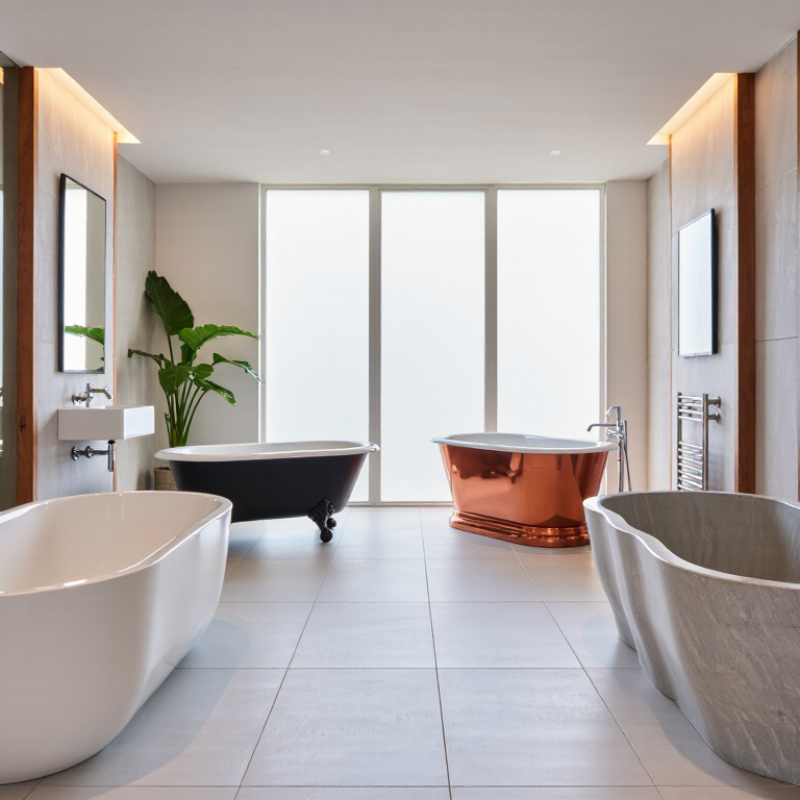
In 2026, a freestanding bathtub is defined by its independent visual and structural presence. It does not rely on a surrounding wall or built-in platform for support. Its finished exterior remains visible from several angles. The tub may use feet, a pedestal, or a concealed base. The plumbing still connects beneath the floor or through a nearby wall.
This definition now includes more than classic roll-top designs. Contemporary models may feature thin rims, sculpted interiors, or back-to-wall placement. A back-to-wall bathtub can appear freestanding, but its classification varies by supplier and local regulations. Buyers should check the installation drawing, not only the product photograph. A beautiful tub can fail if the drain location is wrong.
Material also helps define performance. Acrylic usually offers lower weight and warmer surface contact. Stone resin provides greater visual solidity but may require stronger floor support. Enamelled metal resists surface wear, yet it can feel colder. In practical bathroom assessments, I check floor loading, access width, overflow design, and cleaning gaps. Small details matter.
Water efficiency is becoming more relevant in 2026. A deeper basin does not automatically provide better comfort. Seat angle, internal slope, and water depth affect the bathing experience more directly. Accessibility also deserves closer attention. High rims may look elegant, but they can create a difficult step. The category is not perfectly tidy. Some products marketed as freestanding still need partial wall support, so technical documents remain more reliable than showroom language.
Freestanding bathtubs are self-supporting units that can be installed away from finished walls. In 2026, the leading forms include slipper, double-slipper, oval, rectangular, and Japanese soaking designs.
The chart uses representative external lengths in centimeters based on commonly specified global residential bathtub sizes. Actual dimensions vary by manufacturer, interior capacity, plumbing position, and regional installation standards.
Acrylic freestanding bathtubs are lightweight, warm to the touch, and widely available. Their smooth surfaces are easy to clean, while reinforced bases improve stability on tiled floors.
Stone resin tubs offer a heavier, more sculptural appearance. They retain heat well, but delivery requires stronger handling and careful floor-load checks.
Cast iron provides excellent heat retention and long service life. However, its weight can challenge upper-floor installations and narrow staircases.
Copper tubs create a distinctive handcrafted look. Their surface may develop natural color changes, which some buyers appreciate and others may not.
Shape also affects daily comfort. Oval tubs suit relaxed soaking, while rectangular models fit modern bathroom layouts. Slipper designs support the back and shoulders. Double-ended tubs allow two comfortable reclining positions.
Buyers should check water capacity, rim height, drain compatibility, and available plumbing standards in their country. Measurements on a website can feel clear, yet doorways often tell a different story. I have seen beautiful tubs returned because installers ignored access routes.
Tips: Confirm the finished floor strength before ordering. Request technical drawings and verify waste connections locally. Choose a tub with a stable base, not only an attractive silhouette. Test the interior length when possible. A deeper tub is not always better; it may use more water and feel difficult to enter. Small details matter.
For global buyers, material determines weight, heat retention, and installation risk. Acrylic remains practical because it is light, repairable, and widely available. Cast iron holds heat exceptionally well, but a filled tub can challenge older floor structures. Stone resin feels solid and resists surface temperature changes. It is heavy, though. The Freedonia Group reported steady growth in residential plumbing demand through 2028, supported by renovation activity and premium bathroom upgrades. That trend does not make every material suitable for every building.
Shape changes both comfort and floor planning. Oval tubs create softer visual lines and support relaxed bathing, while rectangular models suit narrow walls and simpler plumbing layouts. Slipper and double-ended forms improve back support, but their raised ends may reduce usable bathing length. A 2024 Houzz bathroom trends study found that homeowners continue investing in comfort-focused upgrades, including larger showers and improved bathing spaces. The report reflects renovation preferences, not every international market. That distinction matters.
Features should solve real problems. An integrated overflow, adjustable feet, and accessible waste connections can prevent expensive installation errors. Insulated acrylic bases may improve heat retention, although performance depends on water volume and room temperature. Some freestanding tubs include whirlpool systems, but pumps require maintenance, electrical planning, and stricter local compliance checks. I have seen buyers focus on glossy finishes while overlooking door clearance and floor loading. That is an avoidable mistake. Before ordering, verify the product’s filled weight, drain position, warranty terms, and replacement-part access with a qualified installer.
Choosing the right freestanding bathtub starts with your bathroom, not its appearance. In 2026, oval, rectangular, slipper, and compact soaking models suit different spaces. Measure the floor area, doorway, and delivery route before selecting a shape. Leave clear space around the tub for cleaning and safe movement.
A tub should match your plumbing layout. Check the drain position and water supply location with a qualified installer. Floor strength also matters, especially when the tub is filled with water and occupied. Follow local building and plumbing requirements.
I have seen attractive tubs become expensive problems because installation details were ignored. Do not trust photographs alone.
Comfort deserves a practical test. Sit inside the tub if possible, and check your neck, shoulders, and feet. A deeper basin may feel relaxing, but it can be difficult for children or older users to enter safely.
Your back will notice. Consider slip-resistant surfaces, stable feet, overflow protection, and easy access for cleaning. Material affects daily care; smooth surfaces usually need less effort, while textured finishes may hold more residue.
Review the manufacturer’s maintenance guidance and warranty terms carefully. Perfect on paper, awkward in use.
I once preferred a dramatic design, then realized its narrow rim offered nowhere comfortable to rest an arm. That small detail changed my decision.
Choosing a freestanding bathtub for an international bathroom project requires more than attractive curves. Deep soaking tubs suit compact spaces, while double-ended designs offer flexible seating. Slipper tubs support one raised end and often improve comfort. In practice, the best type depends on floor strength, drainage position, and user height. I once underestimated door clearance. That mistake was expensive.
Installation needs a level, reinforced floor and a nearby waste connection. Check local plumbing rules before ordering. Some tubs require a flexible drain, while others need a specific trap depth. Measure the packaged tub, not only the finished product. The International Code Council recommends accessible shutoff and service areas, yet real bathrooms often leave too little working space. That detail deserves more attention.
Maintenance differs by material. Acrylic usually needs mild soap and a soft cloth; abrasive powders can dull its surface. Stone-resin tubs require careful control of standing water and temperature changes. Water efficiency also matters. The WHO and UNICEF Joint Monitoring Programme reported that 2.2 billion people lacked safely managed drinking water in 2022. A large tub should therefore match household habits, not simply maximize volume. The U.S. Environmental Protection Agency identifies 2.0 gallons per minute as the WaterSense showerhead limit, but bathtubs are not covered by that label. Buyers should compare actual capacity, heating costs, packaging weight, warranty terms, and replacement-part availability across borders. Shipping damage remains an overlooked risk.
| Freestanding Bathtub Type | Typical Design and User Profile | Common Materials | Installation Requirements | Maintenance Profile | Space and Drainage Considerations | International Buying Factors |
|---|---|---|---|---|---|---|
| Standard Oval or Rectangular Tub | A versatile choice for general residential bathrooms, rental properties, and renovation projects. It usually provides a balanced bathing depth and a broad range of interior layouts. | Acrylic, fiberglass-reinforced acrylic, enamelled steel, or cast iron. | Requires a level finished floor, a compatible waste-and-overflow system, hot and cold water connections, and sufficient access for final positioning. | Clean with a non-abrasive bathroom cleaner. Acrylic surfaces should not be scrubbed with harsh powders or metal pads. Enamelled steel and cast iron are resistant to scratching but can chip if struck heavily. | Often available in compact and standard lengths. Confirm the drain location, trap access, door clearance, and the finished floor load before installation. | Check metric or imperial connection compatibility, local plumbing codes, electrical safety requirements for nearby fixtures, carton dimensions, and replacement waste compatibility. |
| Slipper Bathtub | Features one raised backrest end and is suited to users who prefer a more reclined bathing position in a relatively compact footprint. | Usually acrylic, stone resin, solid surface composite, or enamelled cast iron. | Needs a stable, level base and correctly positioned waste pipe. The higher end may affect wall clearance, shower-screen placement, and access to cleaning areas. | The raised profile does not change basic cleaning needs. Dry the rim and overflow area regularly to reduce mineral deposits and soap buildup. | Typically requires a clear zone beside the raised end. Confirm internal bathing dimensions because the external length may not equal usable legroom. | Verify left-hand or right-hand orientation where applicable, packaging protection for the raised end, handling equipment, and whether the product is shipped with or without a waste kit. |
| Double-Slipper Bathtub | Has raised backrests at both ends and is commonly selected for shared bathing, symmetrical bathroom layouts, or a more centered visual design. | Acrylic, solid surface, stone resin, or cast iron. | Central or offset waste positioning must match the bathroom drainage plan. The floor must support the filled tub, occupants, and any separate feet or plinth. | Clean both raised ends and the central rim after use. Avoid abrasive products and check the waste seal periodically for leakage. | Usually needs more usable floor area than a single-slipper design. A central waste location can simplify layout planning but may require underfloor plumbing work. | Confirm whether the design is reversible, the drain outlet standard, net and gross shipping weights, and the availability of installation instructions in the destination language. |
| Roll-Top or Roll-Rim Tub | Recognized by its rounded upper rim and traditional appearance. It suits classic, transitional, and hospitality interiors where the tub is intended to be a visual focal point. | Enamelled cast iron, enamelled steel, acrylic, or composite materials. | May require a floor-mounted filler because the rim is not normally designed for a wall-mounted faucet. The finished floor must be accurately leveled. | Rounded rims are easy to wipe, but decorative feet and exposed plumbing may require additional dust and scale removal. Do not use acidic cleaners on vulnerable finishes. | Exposed pipework and feet need adequate cleaning clearance. Heavy cast-iron versions may require structural review, especially on upper floors. | Assess gross weight, pallet requirements, customs classification, corrosion protection for exposed metal parts, and local availability of compatible floor-mounted hardware. |
| Pedestal or Plinth-Mounted Tub | Uses a continuous base or pedestal instead of visible legs. It offers a clean silhouette and can visually conceal some plumbing connections. | Acrylic, mineral composite, stone resin, or solid surface materials. | The pedestal must sit fully on a flat, load-bearing surface. Access panels or removable sections are valuable for future waste and seal maintenance. | Clean the tub and base with a soft cloth and mild detergent. Inspect the joint between the tub and plinth for trapped moisture or deteriorated sealant. | The solid base can make floor-leveling more important. Check the actual base footprint, not only the top-rim dimensions, before ordering. | Confirm base assembly requirements, crate dimensions, lifting points, pallet handling, and whether the plinth is supplied separately or preassembled. |
| Clawfoot or Legged Tub | A decorative, elevated option often used in traditional, vintage, or statement bathroom schemes. The open underside can create a lighter visual effect. | Enamelled cast iron, enamelled steel, acrylic, or reinforced composite. | Requires strong, adjustable feet or a stable frame, a properly supported waste connection, and a floor capable of carrying the concentrated loads at the feet. | Clean around the feet, underside, and exposed waste pipe. Tighten or inspect foot fixings after installation and monitor joints for movement. | Provides more visible floor area but can require extra clearance for exposed plumbing. Confirm the final height, including feet and filler connections. | Check whether feet are packed separately, whether the feet are adjustable, the corrosion resistance of metal finishes, and the availability of matching waste and supply components. |
| Stone Resin or Solid-Surface Tub | A premium, substantial design with strong thermal mass and a seamless appearance. It is suitable for design-led residential and hospitality projects. | Mineral composite, stone resin, cultured solid surface, or other engineered composite materials. | Needs careful floor-load assessment, precise leveling, and adequate access for delivery. Some models require two or more people or mechanical assistance for safe positioning. | Use a pH-neutral or manufacturer-approved cleaner. Repairability varies by formulation; minor surface marks may be refinished on some solid-surface products but not all composites. | Usually heavier than acrylic alternatives and may have thick walls that reduce internal bathing space. Confirm both filled weight and point-load distribution. | Prioritize crate strength, moisture protection, lifting instructions, insurance coverage, import handling charges, and inspection procedures for concealed transport damage. |
| Cast-Iron Freestanding Tub | A highly durable, traditional option valued for heat retention and long service life. It is best suited to projects with robust floor construction and careful delivery planning. | Porcelain enamel over cast iron. | Requires a level, structurally adequate floor and secure waste connections. Delivery routes, stairways, door openings, and lifting capacity should be checked before purchase. | The enamel is generally durable, but chips should be repaired promptly to help prevent corrosion of the underlying metal. Avoid sudden impacts and abrasive cleaners. | Substantially heavier than most acrylic tubs, particularly when filled. The floor structure and concentrated support points must be reviewed by a qualified professional when necessary. | Compare dimensional weight with actual weight, pallet and crane requirements, inland transport access, breakage insurance, and local service capability for enamel repairs. |
| Compact Freestanding Tub | Designed for smaller bathrooms, apartments, guest suites, and urban renovations where a full-size tub cannot fit comfortably. | Primarily acrylic, fiberglass-reinforced acrylic, or lightweight composite materials. | Still requires a correctly positioned waste, level floor, safe access, and adequate clearance for cleaning and entry. Compact size does not remove the need for proper waterproofing. | Generally easy to clean because of its lightweight surface. Regularly remove limescale around the faucet, overflow, and drain in hard-water regions. | Confirm internal shoulder and legroom, rim height, door swing, and access to the trap. A smaller external size may also mean reduced water capacity. | Measure the full shipping package against elevators, staircases, doorways, and local delivery vehicles. Check whether the smaller tub uses standard regional plumbing fittings. |
Buyer verification note: Dimensions, filled weight, material composition, water capacity, waste position, and installation method vary by model. Before international purchase, request the technical drawing, packed dimensions, net and gross weight, installation manual, warranty terms, and local plumbing compatibility details.
It has an independent structure and does not rely on a surrounding wall or built-in platform. Its finished exterior remains visible from several angles. It may use feet, a pedestal, or a concealed base. Plumbing can connect through the floor or a nearby wall.
Sometimes, but classification varies by supplier and local regulations. Some models only appear freestanding. Check the installation drawing carefully. Product photographs can be misleading.
Acrylic is lightweight, warm, and usually easy to clean. Stone resin feels solid and retains heat, but it needs stronger floor support. Enamelled metal resists surface wear but may feel colder. Cast iron lasts well, though stairs and upper floors can create serious handling problems.
Oval tubs support relaxed soaking and softer bathroom layouts. Rectangular tubs often suit narrow walls and simpler plumbing. Slipper designs support the back and shoulders. Double-ended tubs offer two reclining positions. A raised end can reduce usable interior length.
Confirm floor strength, finished weight, water capacity, and drain position. Measure doorways, corridors, stairs, and lift access. Request technical drawings. Measure twice. A beautiful tub may not pass through the bathroom door.
No. Seat angle, internal slope, and water depth affect comfort more directly. A deep basin may consume more water and create a difficult entry step. High rims can look elegant but reduce accessibility. This is easy to overlook.
Choose a stable base, not only an attractive silhouette. Verify waste connections with a qualified local installer. Check filled weight against the floor structure. Adjustable feet and accessible waste connections can prevent expensive corrections.
They can add comfort, but pumps need maintenance and electrical planning. Local compliance checks may also become stricter. Insulated bases may improve heat retention, depending on room temperature and water volume. Glossy finishes are less important than repair access and replacement parts.
A Freestanding Bathtub in 2026 is more than a bathroom centerpiece; it combines independent placement, sculptural design, comfort, and practical performance. This guide introduces the main types available to global buyers, including soaking, slipper, double-ended, pedestal, and compact models. It explains how acrylic, stone resin, cast materials, and other common options influence durability, weight, heat retention, appearance, and price. It also compares popular shapes and useful features such as ergonomic backrests, integrated overflow systems, smooth surfaces, and space-saving dimensions.
Choosing the right bathtub requires evaluating bathroom size, plumbing position, user comfort, water capacity, structural support, and regional preferences. The guide also covers essential installation and maintenance considerations, including floor preparation, drainage access, cleaning routines, and protection from stains or surface damage. For international purchases, buyers should confirm measurements, packaging, delivery conditions, local installation requirements, product documentation, and applicable safety standards before ordering.

Kaifeng