What Is a Double Massage Bathtub?
A Double Massage Bathtub is designed for two people to bathe comfortably at the same time. Unlike a standard soaking tub, it usually provides two shaped seats, separate headrests, and multiple water or air jets. Each bather may have access to individual controls. This allows different massage preferences during the same bathing session.
That shared layout is the main difference. Small details matter. Before choosing one, examine the jet placement, seat depth, overflow design, and control position. Installation may require reinforced flooring, larger plumbing connections, and reliable electrical protection. Water capacity also affects heating time and household energy use. Noise matters too, especially in a compact bathroom. A powerful pump can create an unwanted mechanical hum.
Dr. Bruce E. Becker is a physician and aquatic therapy researcher. He notes, “Water supports the body while allowing movement with less stress.” His observation helps explain the appeal of warm-water bathing, but it does not make every tub a medical treatment. Jets do not automatically deliver therapeutic results. People with health conditions should seek qualified medical advice before using intense heat or water pressure.
The best guide should explain both comfort and responsibility. It should describe cleaning access, filter maintenance, warranty coverage, and safe installation requirements. Readers deserve practical details, not only glossy promises. Comfort is personal. Luxury needs maintenance. A Double Massage Bathtub can create a relaxing shared experience, yet its value depends on thoughtful design, correct installation, and realistic expectations.
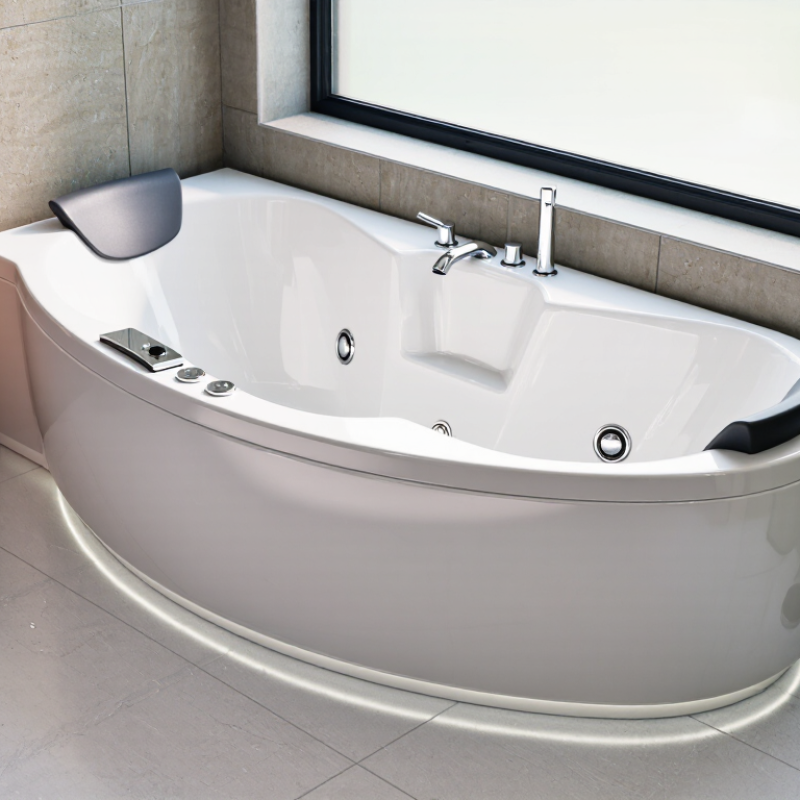
What Is a Double Massage Bathtub?
Definition and Core Features of a Double Massage Bathtub
A double massage bathtub is a spacious tub designed for two people. It combines shared bathing space with built-in water or air massage systems. Most models include two contoured seats, separate jet zones, and independent controls. These features help users adjust pressure, direction, and massage intensity more comfortably.
The tub’s core structure matters as much as its jets. A wide interior allows two adults to sit without pressing against each other. Water jets may target the back, hips, and legs, while air jets create a softer bubbling sensation. Some tubs also include an in-line heater, headrests, non-slip surfaces, and easy-access controls. However, more jets do not always mean a better experience. Poor positioning can create uneven pressure or uncomfortable noise.
Tips: Measure the bathroom doorway and floor area before purchase. Check electrical requirements, drainage access, and the tub’s filled weight. A professional installer should inspect floor support and plumbing connections. During use, start with gentle pressure and moderate water temperature. Sensitive skin may react unexpectedly. Cleaning the internal plumbing is also important, although many owners overlook it. A practical test is simple: sit in both positions before installation, if possible, and check whether the controls remain reachable.
| Dimension | Typical Data | Definition or Core Feature |
|---|---|---|
| Basic Definition | Two-person therapeutic bathtub | A double massage bathtub is a bathtub designed for two adults, combining a larger bathing area with water or air massage functions. |
| User Capacity | 2 adults | The interior normally includes two designated seating or reclining positions so two people can bathe at the same time. |
| Common External Size | Approximately 60–72 in long × 55–72 in wide | The wider footprint provides space for two bathers. Exact dimensions vary according to the tub shape, seating arrangement, and installation style. |
| Water Capacity | Approximately 70–100 US gal (265–379 L) | A larger water volume is common because the tub accommodates two people. Usable capacity depends on the fill level and the amount of water displaced by the bathers. |
| Massage System | Water jets, air jets, or a combination | Water-jet systems circulate pressurized water for a stronger, targeted massage. Air-jet systems release streams of air bubbles for a gentler sensation. |
| Jet Quantity | Commonly 8–20 water or air outlets | The number and position of jets differ by design. Typical target areas include the back, lumbar region, hips, thighs, and feet. |
| Independent Controls | Separate or shared controls | Many two-person models allow users to adjust jet intensity or activate selected massage zones. Some designs provide separate controls for each bathing position. |
| Seating Layout | Side-by-side, facing, or opposing reclined positions | The layout affects comfort, legroom, conversation, and the location of the massage jets. Ergonomic contours may include molded backrests, armrests, and lumbar support. |
| Water Depth | Approximately 18–24 in (46–61 cm) | The bathing depth is measured from the tub floor to the overflow level and may vary with the shell shape and installation requirements. |
| Pump and Blower | Model-specific water pump and/or air blower | A water pump powers water jets, while an air blower supplies air jets. The required equipment depends on the massage configuration and the number of outlets. |
| Electrical Supply | Dedicated circuit may be required | Electrical requirements vary by pump, blower, heater, and control system. Installation should follow the product instructions and local electrical codes, including required ground-fault protection. |
| Heating Function | Optional inline or maintenance heater | Some models use a heater to help maintain water temperature during a massage session. A heater generally maintains temperature rather than rapidly heating a full tub of cold water. |
| Material | Acrylic reinforced with fiberglass or composite layers | These materials are commonly used because they provide a smooth, nonporous surface, moderate impact resistance, and compatibility with molded ergonomic shapes. |
| Installation Types | Freestanding, alcove, corner, drop-in, or platform-mounted | The installation format determines the required floor area, access panels, plumbing layout, and structural support. |
| Structural Requirement | Floor must support the filled tub and occupants | The combined weight of the bathtub, water, and two bathers can be substantial. Floor loading and access for maintenance should be checked before installation. |
| Drainage | Standard drain with overflow; larger volume may increase drain time | A properly sized and correctly installed drain is essential. The actual emptying time depends on the drain, plumbing layout, and household wastewater system. |
| Primary Benefits | Shared bathing, relaxation, and targeted massage | The main advantages are simultaneous use by two adults, adjustable massage comfort, and a spa-like bathing experience in a residential setting. |
| Key Maintenance Needs | Surface cleaning and jet-system sanitation | The tub surface, jets, intake screens, and internal plumbing should be cleaned according to the care instructions to reduce residue, buildup, and unpleasant odors. |
It is a spacious tub designed for two adults. It usually includes two seats, massage jets, and separate controls. The layout should allow comfortable shoulder and leg space.
Water jets create stronger, targeted pressure around the back, hips, and legs. Air jets produce softer bubbles across the tub floor. Hybrid systems combine both sensations but require more maintenance.
Measure the doorway, bathroom floor, and available service space. Check drainage access, electrical needs, and the tub’s filled weight. Sit in both positions when possible. Controls should remain easy to reach.
No. Jet placement matters more than the total number. Poorly positioned jets can create uneven pressure or uncomfortable noise. Try gentle settings before increasing intensity.
The floor must support the tub, water, bathers, and equipment. A qualified installer should inspect plumbing, drainage, wiring, and structural support. Leave an access panel near the pump. Repairs need room.
Follow a written cleaning schedule instead of relying on memory. Drain and flush the internal plumbing regularly. Wipe the shell with a non-abrasive cleaner. Never mix cleaning chemicals. Dangerous fumes may result.
Keep water at or below 104°F (40°C). Begin with moderate heat and gentle pressure. Drink water and stop if dizziness or nausea appears. Do not treat comfort as proof of safety.
Headrest height, drain position, seat angle, and rim clearance affect daily comfort. Textured floors may improve grip but hold more residue. Smooth surfaces clean easily. I once underestimated rim space, and movement became awkward.
A Double Massage Bathtub is a spacious bathing system designed for two people, combining warm water immersion with targeted hydrotherapy. Its core features may include dual seating areas, ergonomic back and head support, water jets, air jets, adjustable controls, and built-in surfaces that encourage comfortable conversation and relaxation. By circulating pressurized water or streams of air, the tub can massage the back, shoulders, legs, and feet while heat helps create a soothing bathing environment. Different jet layouts, tub shapes, control systems, lighting options, and entry designs allow the experience to be adapted to personal preferences and bathroom layouts.
Before choosing a Double Massage Bathtub, homeowners should consider its size, water capacity, floor strength, plumbing access, ventilation, and electrical requirements. Larger models may require significant installation space and can increase water and energy use. Regular cleaning, filter care, inspection of seals and jets, and safe temperature settings are essential for hygienic and comfortable operation. Users should follow installation instructions, avoid slippery surfaces, and consult a qualified professional when structural or electrical work is needed.

 Kaifeng