Top 10 Massage Bathtubs to Buy in 2026

Time:2026-09-25 Author:Henry
0%

A Massage Bathtub can turn an ordinary bathroom into a quiet recovery space. Picture warm water around your shoulders, adjustable jets moving across tired muscles, and a towel waiting beside the tub. Yet comfort alone should not decide a purchase.

The Global Wellness Institute reported that the global wellness economy reached $6.3 trillion in 2023. Its findings reflect growing interest in home-based wellness, although they do not measure Massage Bathtub sales directly. Fortune Business Insights also identifies bathroom renovation and premium bathing products as important market influences. These reports provide useful context, but they are not a substitute for product testing.

Aquatic-medicine specialist Dr. Bruce E. Becker has said, “Water is a wonderful medium for exercise and rehabilitation.” His research helps explain why buoyancy and warm water may reduce pressure on joints. However, a bathtub is not medical treatment. Individual results can differ.

This Top 10 Massage Bathtubs to Buy in 2026 guide examines jet placement, pump strength, noise, ergonomic depth, cleaning access, energy use, and warranty support. We also consider certification claims and installation requirements. A beautiful tub may still disappoint if its jets feel harsh or its filter is difficult to reach.

Small details matter.

No ranking is perfect. Manufacturer specifications can change, and showroom demonstrations rarely reveal long-term maintenance. For that reason, the selections combine published data, user-focused comparisons, and practical installation concerns. Buyers should still confirm dimensions, electrical requirements, plumbing access, and local safety standards before ordering.
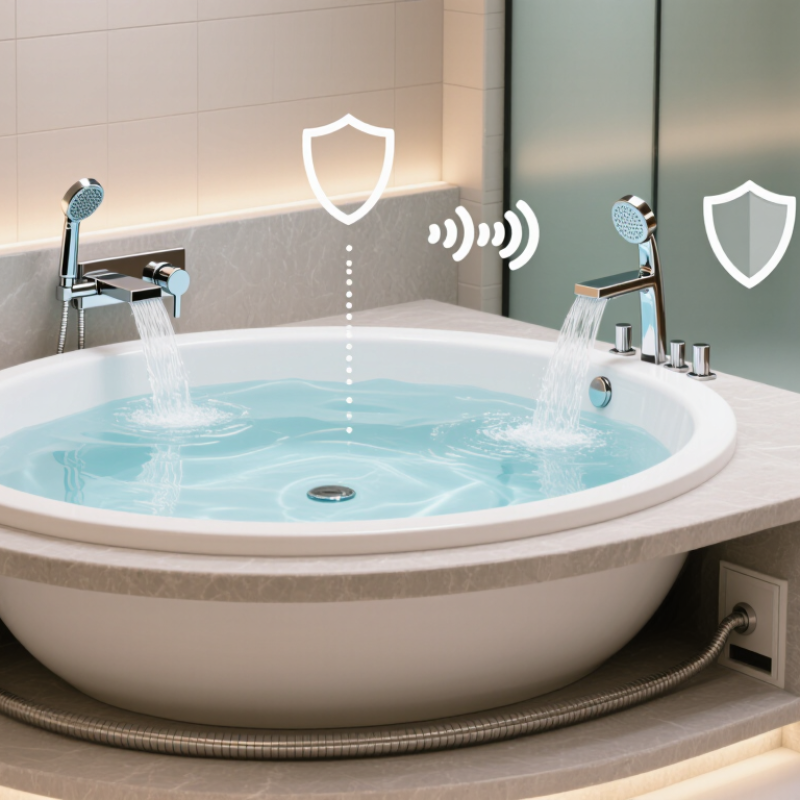
Top 10 Massage Bathtubs to Buy in 2026

Massage Bathtubs: Definition, Types, and Core Functions

A massage bathtub is a soaking tub fitted with water or air outlets that create a moving, massaging sensation. Unlike a standard tub, it adds pumps, jets, or air channels to circulate water or bubbles around the body. The feeling depends on jet placement, water pressure, and how the bather sits. It can be soothing. It is not a medical treatment.

Common types include whirlpool tubs, air-bath tubs, and combination models. Whirlpool systems push water through adjustable jets, often aimed at the back or legs. Air baths release streams of small bubbles through openings in the tub floor. Combination tubs offer both effects, though they usually need more components and careful upkeep. The distinction can feel blurry when features overlap.

Core functions include adjustable massage, warm-water soaking, and controls for jet strength or direction. Some tubs include heated surfaces or timed cycles, but features vary by model. Check the tub’s dimensions, electrical requirements, access panels, and cleaning instructions before choosing one. Residue can collect inside plumbing, so maintenance matters. A powerful jet may sound appealing, yet it can feel uncomfortable on sensitive areas. Try to judge comfort, not just the number of jets.

How to Evaluate Massage Bathtubs for a 2026 Purchase

Top 10 Massage Bathtubs to Buy in 2026

How to Evaluate Massage Bathtubs for a 2026 Purchase

Start with fit, not the number of jets. Measure the bathroom doorway, installation space, and tub footprint, then check the water capacity against your heater. A tub that looks roomy in a showroom may feel cramped at home. Compare air jets, which create softer bubbles, with water jets, which provide a more focused stream. Check whether jet positions suit your height and preferred sitting position. Try the controls if possible. They should be easy to reach from inside the tub.

Review the installation requirements before comparing extra features. Some models need dedicated electrical work, stronger floor support, or easier access to plumbing. Ask a qualified installer to assess your space and confirm applicable safety requirements. Look for clear cleaning instructions, accessible service panels, and warranty terms that explain coverage for pumps and controls. A long feature list can distract from practical maintenance. I would still double-check service access; it is easy to overlook when a tub is new and spotless.

Tips: Sit in a comparable tub before buying, if you can. Ask how often filters or jets need cleaning. Read customer feedback for recurring issues, not just star ratings. Keep a little budget aside for installation. That part is often underestimated.

Top 10 Massage Bathtubs to Buy in 2026: How to Evaluate Your Options

Suggested buyer-priority weights for comparing massage bathtubs. These percentages are an editorial evaluation framework, not product test results or market statistics.

Use these weights as a starting point, then adjust them to suit your bathroom layout, accessibility needs, and budget. Confirm dimensions, electrical and plumbing requirements, and warranty terms with the seller before purchasing.

Top 10 Massage Bathtubs Ranked by Features and Value

The best-value massage bathtub is a standard alcove model with adjustable water jets, a slip-resistant floor, and an accessible filter. It suits many bathrooms without demanding a major layout change. A compact air-and-water combination ranks close behind, offering gentler bubbles and firmer targeted pressure. Check that both controls are easy to reach while seated. Small details matter.

For households with more room, a two-person tub earns a strong position for its shoulder-level jets and separate controls, though filling it takes longer. A deep soaking tub with lumbar jets is a better fit for one person who wants focused support. Freestanding hydrotherapy tubs look striking, but installation and cleaning can add cost. Walk-in models offer a lower step-in height and a built-in seat; compare door access and drain speed before buying. Corner tubs use awkward floor space well, yet their larger water capacity may raise running costs.

Lower in the value ranking, a simple air-jet tub provides a softer, quieter massage, while a water-jet model delivers stronger pressure but needs regular filter care. A basic whirlpool tub can be affordable, provided its plumbing is easy to service. Compact acrylic models round out the list: they are light and often budget-friendly, but construction quality varies. I would not rank by jet count alone. More jets can feel busy, and I have seen buyers overlook the cost of upkeep. Test the seat depth, confirm the heater’s function, and read the warranty terms carefully.

Top 10 Massage Bathtubs to Buy in 2026 — Ranked by Features and Value A practical comparison of common massage-tub configurations. Typical dimensions and U.S. tub-only price ranges are indicative estimates; actual specifications, prices, and installation requirements vary by model and seller.
Rank Bathtub Type Typical Size (L × W) Massage System Typical Tub-Only Price (USD) Key Advantages Considerations Value Score
1 Standard alcove whirlpool 60 × 32 in
(152 × 81 cm)
Water jets $1,500–$4,000 Fits many standard three-wall alcove layouts; offers adjustable water-jet massage. Requires a pump, access panel, and routine cleaning of the jet system. 9.1 / 10
2 Standard alcove air bath 60 × 32 in
(152 × 81 cm)
Air bubbles through small floor openings $1,800–$4,500 Gentler, more evenly distributed bubbling; standard alcove footprint can simplify replacement planning. Air massage is typically gentler than targeted water jets; confirm electrical requirements. 8.8 / 10
3 Drop-in whirlpool 60–72 × 36–42 in
(152–183 × 91–107 cm)
Water jets $2,000–$5,000 Works with a custom deck; the surrounding platform can provide storage or a wide ledge. Deck construction and plumbing access add to the total project cost. 8.4 / 10
4 Freestanding whirlpool 59–72 × 30–36 in
(150–183 × 76–91 cm)
Water jets $2,500–$6,000 Standalone focal-point design with built-in water-jet massage. Check floor loading, drain location, and service access before purchase. 8.1 / 10
5 Combined air-and-water tub 60–72 × 32–42 in
(152–183 × 81–107 cm)
Air bubbles and water jets $3,000–$8,000 Offers both gentle air bathing and more targeted water-jet massage. Higher purchase price and more components to maintain than a single-system tub. 8.0 / 10
6 Corner whirlpool Corner footprint, commonly 48–60 in per side
(122–152 cm)
Water jets $2,000–$5,500 Can make use of a corner and provide a wider bathing area than many compact rectangular tubs. May require a larger room footprint and a purpose-built surround. 7.8 / 10
7 Walk-in whirlpool About 52–60 × 28–32 in
(132–152 × 71–81 cm)
Water jets; models may also include air jets $5,000–$12,000 Low-entry access, a door, and a built-in seat can suit users who have difficulty stepping over a tub wall. The bather generally needs to enter and exit while the tub is empty; installation can be costly. 7.6 / 10
8 Two-person whirlpool 66–72 × 42–48 in
(168–183 × 107–122 cm)
Multiple water jets $3,500–$9,000 Designed with a larger bathing area and seating for two in many configurations. Needs more floor space, water capacity, and often a larger water heater. 7.4 / 10
9 Compact jetted tub 48–60 × 30–32 in
(122–152 × 76–81 cm)
Water jets or air jets, depending on configuration $1,800–$4,500 Smaller footprint can help when bathroom space is limited. Shorter length and lower water capacity may reduce comfort for taller bathers. 7.2 / 10
10 Deep-soaking air bath 60–72 × 30–36 in
(152–183 × 76–91 cm)
Air bubbles $2,500–$6,500 Combines a deeper bathing profile with a gentle air-bubble massage in many designs. Check usable interior depth, water-heater capacity, and whether the tub fits the intended installation. 7.0 / 10
How to compare: Verify the tub’s actual exterior and interior dimensions, drain position, electrical specifications, required access panels, and installation instructions. Price ranges are broad planning estimates for the tub only and exclude labor, plumbing, electrical work, surrounds, and other renovation costs. Rankings and value scores are editorial comparisons of typical features, space needs, and relative purchase cost—not ratings of specific products.

Comparing Jets, Materials, Controls, and Installation Requirements

A useful comparison of the top massage bathtubs in 2026 starts with jet placement, not jet count. Jets aimed at the lower back may feel different from side jets that wash over the hips. More outlets do not always mean a better massage; pressure, direction, and pump noise matter too. If possible, sit in a similar tub before buying. That matters.

Acrylic tubs are relatively light and warm quickly, while cast materials can feel solid but may need stronger floor support. Check the stated capacity and confirm that the finish is repairable if scratched. Controls should be reachable from the seated position, with clear settings for water and air jets. Simple buttons can be easier to use with wet hands than a complicated panel. Still, extra features can add parts that need servicing. Installation also deserves close attention: measure doorways, stair turns, and the tub alcove, then check electrical and plumbing requirements with a qualified installer.

Tips: Ask for the filled weight, including bathers, before choosing a location. Confirm where the access panel will sit, since pumps sometimes need maintenance. Leave enough room to open it. I would not assume a standard-sized tub fits every bathroom; measuring twice can still miss a tight corner.

Safety, Maintenance, Warranty, and Long-Term Ownership Costs

A massage bathtub should feel secure before its jets ever switch on. CDC research estimated 234,094 bathroom-related injuries annually among people aged 15 and older during 2008–2012; falls caused 81.1 percent. That older estimate is a useful warning, not a bathtub-specific risk forecast. Check the entry height, textured flooring, reachable controls, and space for a helper. Have electrical protection and installation checked by a qualified professional.

Maintenance affects both hygiene and repair bills. Follow the manual’s cleaning schedule, clear the intake screen, and inspect the pump access panel, seals, and drain for leaks. Keep a record of service dates and receipts. I still find warranty exclusions easy to underestimate: compare coverage for the shell, pump, controls, labor, and service visits. A long parts warranty may not cover the costly work of reaching a failed pump.

Ownership costs include heated water, electricity, filters, and repairs. The U.S. Department of Energy’s Energy Saver guidance puts water heating at about 18 percent of household energy use. That is not a massage-tub cost estimate, but it shows why filling a large tub with hot water can matter. Compare capacity and heating requirements, then estimate use from your household’s bathing habits. Even careful budgeting cannot predict every pump failure.

FAQS

How should I measure my bathroom before buying a massage bathtub?

Measure the doorway, installation area, and final tub footprint. Check floor strength and plumbing access. A showroom tub may feel surprisingly cramped at home.

What water capacity should I choose?

Compare the tub’s capacity with your water heater. A large tub may require more hot water, electricity, and filling time. Estimate usage honestly.

What is the difference between air jets and water jets?

Air jets create softer bubbles across a wider area. Water jets deliver stronger, focused streams. Your preferred pressure matters more than the jet count.

How can I check whether the jet positions are comfortable?

Sit in a comparable tub before purchasing, if possible. Check whether jets match your height and sitting position. Try reaching the controls from inside.

What installation requirements deserve attention?

Some tubs need dedicated electrical work, stronger floor support, or plumbing access. Ask a qualified installer to assess the room. Installation costs are easy to underestimate.

Which safety features should a massage bathtub include?

Look for a manageable entry height, textured flooring, and reachable controls. Leave space for assistance if needed. Electrical protection should be professionally checked.

How much maintenance does a massage bathtub need?

Follow the cleaning schedule and clear the intake screen. Inspect seals, drains, pumps, and service panels for leaks. Keep service dates and receipts.

What should I examine in the warranty?

Compare coverage for the shell, pump, controls, labor, and service visits. A long parts warranty may exclude expensive pump access work. I would read exclusions twice.

What ongoing costs should I estimate?

Include heated water, electricity, filters, cleaning supplies, and repairs. Compare capacity with your household’s bathing habits. Unexpected pump failures can still disrupt a careful budget.

Conclusion

A Massage Bathtub combines a conventional bathing space with water or air jets designed to create a more relaxing, spa-like experience at home. This guide explains the main bathtub types and their core functions, then outlines practical factors to consider when choosing one in 2026, including size, comfort, jet placement, materials, controls, and overall value. It also presents ten options ranked by features and value, helping readers compare different designs and identify which may suit their space and preferences.

Beyond appearance and performance, a successful purchase depends on installation needs and long-term upkeep. The guide considers plumbing and electrical requirements, cleaning routines, safety features, warranty coverage, and ongoing ownership costs. By weighing these details alongside the bathing experience, readers can make a more informed choice and select a tub that fits their bathroom, budget, and maintenance expectations.


Henry

Henry

Henry is a dedicated marketing professional with a profound expertise in the company's offerings. With years of experience in the industry, he possesses an impressive understanding of the market dynamics and consumer behaviors that drive success. Henry is committed to sharing his insights through......