2026 Top Whirlpool Bathtub Types for Global Buyers?

Time:2026-09-30 Author:Oliver
0%

Choosing a Whirlpool Bathtub in 2026 means balancing comfort, installation needs, and long-term upkeep. Global buyers will find several types, from compact alcove models to spacious drop-in tubs and freestanding designs. Each suits a different room. Each has trade-offs.

Hydrotherapy pioneer Candido Jacuzzi helped bring therapeutic bathing into residential bathrooms. A useful buying principle, inspired by that legacy, is: “Choose the water experience your home can support.” This is an editorial principle, not a verified quotation from Jacuzzi. It points to practical details buyers can check: the tub’s dimensions, pump access, water capacity, and the location of the drain. A glossy product image cannot answer those questions.

This guide compares whirlpool bathtub types for varied homes and project needs. It considers jet placement, seating, cleaning access, and the space required around each model. A corner tub may make a small bathroom feel crowded; a freestanding tub may need more floor area and careful plumbing planning. Some details depend on the specific model, so manufacturer specifications matter. We will also look at who may benefit from each design, and where a simpler bathtub could be the better fit. Not every feature is worth the extra cost. The goal is a clear shortlist, not a perfect tub for everyone.
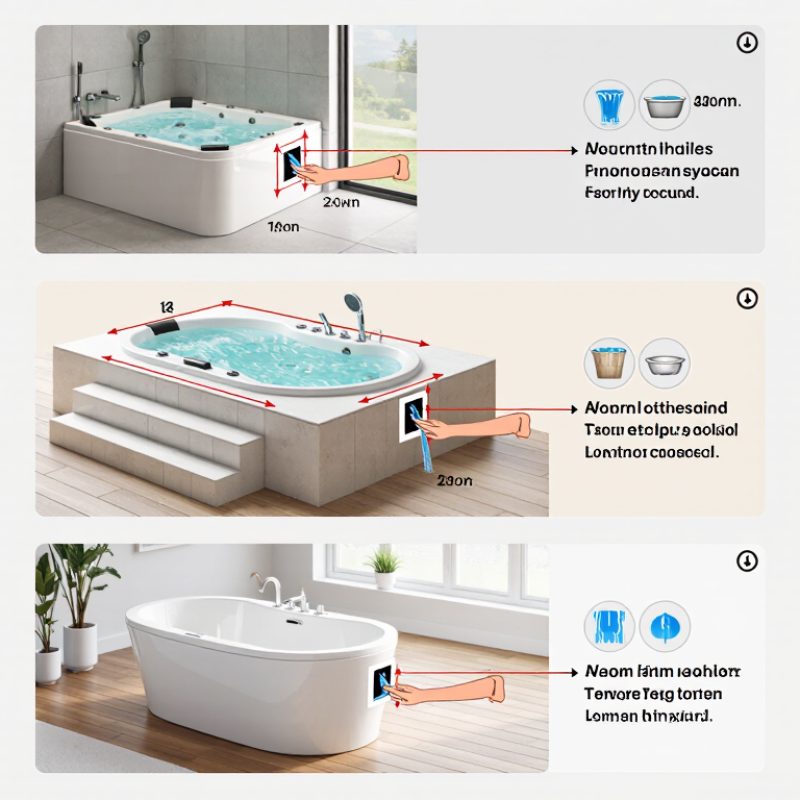
2026 Top Whirlpool Bathtub Types for Global Buyers?

Whirlpool Bathtub Basics and Key Features for Global Buyers

For global buyers, a whirlpool bathtub is more than a deep soaking tub. It combines a water pump, air controls, directional jets, and a sealed shell. Common types include corner, freestanding, drop-in, and walk-in models. Each suits a different bathroom footprint. A corner model saves floor space, while a freestanding unit creates a visible centerpiece. Measure doorways, plumbing routes, and service clearance before choosing. Small errors become expensive.

The key feature is controllable water movement. Adjustable jets should target the back, shoulders, and legs without painful pressure. Some tubs mix air bubbles with water jets for a gentler massage. A quiet, accessible pump matters more than dramatic jet counts. More jets do not always mean better performance. Ask for flow rate, noise data, heater protection, and an emergency shutoff. These details are easy to overlook. They affect daily comfort.

For international projects, confirm voltage, frequency, plug type, and local installation requirements. Electrical protection should be handled by a qualified professional. Look for smooth, nonporous surfaces, removable access panels, and fully drainable plumbing. Hidden water can create odors and maintenance problems. An anti-slip base helps, but it cannot replace careful entry. Request a parts list and clear warranty terms. Specifications may look perfect on paper. Real bathrooms are less forgiving.

Main Types of Whirlpool Bathtubs Available in 2026

In 2026, global buyers will mainly encounter freestanding, alcove, drop-in, corner, and walk-in whirlpool bathtubs. Each type suits a different bathroom plan. Freestanding models create a sculptural focal point, but they need open floor space and accessible plumbing. Alcove units fit between three walls, making them practical for compact apartments. Drop-in tubs sit inside a raised deck, which can hide pumps and provide a safer ledge for towels.

Corner whirlpool bathtubs use an awkward room angle efficiently. Their wider interior can feel comfortable, although the curved footprint may reduce showering space. Walk-in models include a low threshold, internal seat, and safety rails. They support users with limited mobility, but the door requires careful sealing and drainage planning. They are not automatically the best choice for every household.

Jet systems also divide the market. Water-jet tubs deliver stronger, targeted massage, while air-jet tubs create gentler bubbles across the base. Combination systems offer both, but they usually demand more maintenance and electrical planning.

Grand View Research reported that the global whirlpool bath market was valued at about USD 2.06 billion in 2023, with projected growth through 2030. Mordor Intelligence also forecasts continued expansion in the broader bathtub market, supported by residential renovation and wellness spending.

The exact model matters less than fit, access, noise, and service support. A beautiful tub can still disappoint.

Measure the doorway twice. Check local electrical requirements before ordering.

How to Compare Whirlpool Bathtub Sizes, Functions, and Materials

In 2026, global buyers should compare whirlpool bathtub sizes around real bathroom conditions, not showroom appearance. Measure the wall length, doorway, drain position, and service access. A compact 150–170 cm tub may suit apartments, while larger models need stronger floor support. Allow space beside the pump panel. Otherwise, repairs become unnecessarily difficult. I have found that buyers often measure the tub but forget the delivery route. That mistake can delay installation.

Functions should match daily habits. Adjustable water jets provide more control than fixed jets. A quiet pump matters in open-plan homes. An integrated heater helps maintain water temperature, but it may increase energy use. Check the control layout with wet hands. Simple controls are usually safer. Look for accessible filters, easy-clean jet covers, and clear electrical requirements. Local professionals should confirm grounding and installation standards before purchase. Features can look impressive. Maintenance decides satisfaction.

Material affects comfort, weight, durability, and cleaning. Acrylic with reinforcement is commonly lightweight and easy to repair. Fiberglass-backed surfaces may cost less, but thin construction can flex under pressure. Stone resin feels solid and retains heat, although it needs stronger structural support. Inspect the underside, surface thickness, drain quality, and warranty terms. Glossy finishes can hide small defects under bright lighting. This comparison is not perfectly simple; price alone cannot show long-term value. A careful buyer may request installation drawings, sample materials, and service details before choosing.

Installation Requirements, Safety Standards, and Maintenance Needs

2026 Top Whirlpool Bathtub Types for Global Buyers

Installation begins with the room, not the bathtub. Measure doorways, floor space, drainage routes, and service access before ordering. A filled whirlpool bathtub can weigh several hundred kilograms, so the floor may require structural review. Electrical connections should use a qualified professional, with grounding, residual-current protection, and local code compliance. Requirements differ between countries. Confirm them with an authorized inspector.

Safety also depends on design and daily use. Choose slip-resistant flooring and a reachable emergency shutoff. Keep pumps and electrical parts behind a removable access panel. Water temperature should remain comfortable, especially for children and older users. Never operate damaged controls or exposed wiring. I have seen beautiful installations fail because maintenance access was treated as an afterthought. That mistake is expensive.

Tips: Rinse the basin after each use and remove hair from the intake cover. Clean internal pipes according to the manufacturer’s instructions, but avoid harsh chemicals that may damage seals. Inspect joints, hoses, and grout monthly. Check water quality where mineral buildup is common. A professional should examine unusual noise, weak jets, leaks, or repeated electrical trips. No checklist is perfect. Local climate, water hardness, and user habits still change the maintenance schedule.

2026 Top Whirlpool Bathtub Types for Global Buyers: Installation Requirements, Safety Standards, and Maintenance Needs

Bathtub Type Typical Installation Requirements Electrical and Plumbing Considerations Safety and Standards Routine Maintenance Needs Best Suited For
Alcove Whirlpool Bathtub Fits between three walls and is commonly installed during a bathroom renovation. Confirm the rough opening, finished wall dimensions, floor capacity, service access, and whether the unit requires a left- or right-hand drain. Requires a suitable hot- and cold-water supply, waste connection, and a dedicated electrical supply if specified by the manufacturer. Keep the pump and connections accessible through an approved access panel. Install electrical protection, grounding, and bonding as required by local electrical rules. Follow the bathtub’s installation instructions and applicable product-safety requirements, including relevant national adoption of IEC 60335-2-60 where applicable. Rinse and wipe the shell after use. Clean the jets and circulate an approved cleaning solution through the plumbing at the interval specified by the manufacturer. Standard bathrooms where a built-in tub and three-wall enclosure are practical.
Drop-In Whirlpool Bathtub Set into a framed deck or platform. The platform must support the filled tub and bather, allow for movement and access requirements, and include a removable access panel for the pump and plumbing. Plan the deck opening, drain position, water supply, and electrical route before framing. Electrical connections should remain accessible and must not be placed where they can be exposed to standing water. Provide a stable, slip-resistant approach to the tub. Have electrical protection and any required bonding installed according to local code and the product instructions. Clean the deck-to-tub joint and shell with non-abrasive products. Flush the water circulation system as directed; inspect seals and accessible connections periodically. Bathrooms with room for a custom surround or a broad deck for toiletries and access.
Freestanding Whirlpool Bathtub Requires sufficient floor space, a level and load-bearing floor, and access for delivery and installation. Verify drain alignment and leave clearance for cleaning and servicing around the tub. Water and waste connections may be floor-mounted or wall-mounted, depending on the design. Confirm the pump location, cable route, and required electrical connection before finalizing the floor layout. Maintain safe clearance from electrical outlets and equipment as defined by local rules. Use a qualified installer to verify grounding, protective-device requirements, and safe access to the controls. Wipe the exterior and shell regularly. Clean around the base and fittings, and flush jets or air channels according to the manufacturer’s instructions. Open-plan bathrooms where the tub can be positioned away from walls.
Corner Whirlpool Bathtub Installed in a corner, often with a wider footprint than a standard rectangular tub. Measure doorway access, finished wall dimensions, floor loading, drain location, and space required for the pump access panel. Plan plumbing and electrical service before closing the surrounding walls or deck. The pump and service connections should remain reachable without removing permanent construction. Ensure the entry area and adjacent floor are slip-resistant. Apply the locally required electrical protection and follow the specified minimum clearances and installation instructions. Clean the larger shell surface and fittings. Regularly flush the jet circuit, remove debris from strainers where fitted, and check accessible seals for leaks. Bathrooms with an unused corner and enough floor area for a larger bathing surface.
Walk-In Whirlpool Bathtub Requires a level, load-capable floor, a wide delivery route, and a layout that allows the door and seat to be used safely. The bather generally enters and closes the door before filling, then drains the tub before exiting. Check the model’s fill time, drain capacity, hot-water supply, and access requirements. Electrical equipment and connections must be installed as specified and remain accessible for service. Look for a secure door seal, stable seat, accessible controls, and a slip-resistant floor. Entry-step height and grab-bar placement should suit the user; consult local accessibility requirements where relevant. Clean the door seal and drain area after use. Inspect the seal for wear and flush the circulation system according to the manufacturer’s schedule. Users who value a seated bathing position and a low-entry design, subject to individual mobility needs.
Water-Jet Hydrotherapy Bathtub Needs a reinforced, level installation surface and access to the pump, plumbing, and controls. Allow for the system’s specified service clearances and verify that the bathroom can accommodate its filled weight. Uses a pump to circulate bath water through water jets. Confirm the manufacturer’s electrical rating, supply requirements, drain arrangement, and provision for cleaning the internal water circuit. Water-jet systems should be installed and operated in line with the product instructions and applicable local electrical and plumbing codes. Protective devices such as GFCI or RCD protection may be required by local rules. After use, drain the tub and clean the jet system at the recommended frequency. Follow the specified procedure to reduce residue and biofilm buildup in the circulation circuit. Buyers seeking a forceful, adjustable water massage and willing to maintain a water-circulation system.
Air-Jet Whirlpool Bathtub Installation is similar to other built-in or freestanding tubs, but the blower and air channels need the access and ventilation specified by the manufacturer. Check floor loading and servicing clearances. Uses a blower to send air through small tub-floor or side openings. Confirm the electrical load, blower location, controls, and required post-use air purge or drying cycle. Follow the appliance instructions and local electrical rules for protective devices, grounding, and placement. Keep controls and electrical components protected from direct water exposure. Run the air-drying cycle when provided. Clean the shell openings, and follow the manufacturer’s procedure for periodic cleaning of air channels and the blower system. Users who prefer a gentler, bubble-based bathing experience and want to avoid a water-recirculation pump system.
Combination Air-and-Water-Jet Bathtub Requires planning for a larger set of components, service access, and the weight of the filled tub. Confirm the installation footprint and access route before purchase. May have separate pumps, blowers, controls, or electrical circuits. Use the product documentation to confirm supply, plumbing, drain, and servicing requirements rather than assuming one standard layout. Have the complete system installed in accordance with local electrical and plumbing codes. Verify that protective devices, bonding, and service access meet local requirements and the manufacturer’s instructions. Maintain both the water-jet circuit and air channels. Follow the specified cleaning and drying procedures, and check accessible fittings and seals periodically. Buyers who want both water massage and air bubbles and can accommodate additional installation and upkeep.

Buyer note: Dimensions, electrical ratings, required protective devices, plumbing connections, and installation clearances vary by model and country. Verify the product documentation and local building, electrical, plumbing, and accessibility requirements before purchase or installation.

How to Choose the Right Whirlpool Bathtub for Different Markets

2026 Top Whirlpool Bathtub Types for Global Buyers

Choosing a whirlpool bathtub starts with the market, not the showroom display. In my project reviews, room size often decides more than appearance. Freestanding tubs suit spacious villas and premium apartments. Corner models save floor space in compact urban homes. Drop-in tubs work well when local contractors prefer built-in installation. Walk-in models support older users and households planning long-term accessibility.

Climate also changes the practical choice. Cold regions benefit from stronger insulation and stable water-temperature control. Humid areas need durable surfaces, good drainage, and easy access for cleaning. Water availability matters too. A large tub may feel luxurious, but it can create higher household consumption. Smaller jets and efficient circulation may fit water-conscious markets better. Not every feature earns its cost.

Electrical requirements require careful checking. Voltage, frequency, grounding, and bathroom safety rules vary between countries. Buyers should request installation drawings and use qualified local technicians. Plumbing connections must match local pipe sizes and service habits. After-sales support matters even more for hotels and rental properties. Replacement pumps, seals, and control panels should be available locally or within a dependable delivery period.

I once treated a visually impressive model as the safest choice. That judgment was incomplete. A quieter, narrower tub would have suited the project better. Test the seat depth, jet pressure, access panel, and cleaning process before ordering. Ask who will repair it. That answer often reveals the real value.

FAQS

What should global buyers measure before ordering a whirlpool bathtub?

Measure the bathroom, doorways, drain route, and pump access. A filled tub can weigh several hundred kilograms. Small measurement errors become expensive.

Which bathtub shape suits a smaller bathroom?

A corner model can save floor space in compact rooms. A freestanding model needs more surrounding clearance. The delivery route still matters.

How should buyers compare water jets?

Choose adjustable jets that gently target the back, shoulders, and legs. More jets do not guarantee better comfort. Pressure should feel controlled, not painful.

Is a quiet pump important?

Yes. A quiet pump suits open-plan homes and evening use. Ask for noise data and flow information. Jet numbers can distract buyers.

What electrical details need checking internationally?

Confirm voltage, frequency, plug type, grounding, and local installation rules. A qualified professional should complete electrical connections. Never accept exposed wiring.

Which bathtub materials are practical?

Reinforced acrylic is often lightweight, repairable, and easy to clean. Stone resin feels solid and retains heat but needs stronger floor support. Thin surfaces may flex.

What safety features should a whirlpool bathtub include?

Look for slip-resistant flooring, an accessible emergency shutoff, and protected electrical parts. Keep the control panel reachable with wet hands. Never operate damaged controls.

How can owners maintain a whirlpool bathtub?

Rinse the basin after use and remove hair from the intake cover. Clean internal pipes according to the instructions. Avoid harsh chemicals. Check hoses, joints, grout, and unusual noise monthly.

What should buyers inspect before finalizing a purchase?

Request installation drawings, parts information, access-panel details, and clear warranty terms. Inspect surface thickness, drain quality, and underside construction. Paper specifications can look perfect. Real bathrooms disagree.

Conclusion

Choosing the right Whirlpool Bathtub in 2026 requires more than comparing appearance and price. Global buyers should understand the main options, including freestanding, built-in, corner, alcove, and compact models, as well as differences in jet systems, control functions, water capacity, noise levels, and user comfort. Size, shape, installation space, and intended market should all be considered before making a decision.

Materials such as acrylic, reinforced composites, and other durable surfaces affect weight, heat retention, cleaning, and long-term performance. Buyers should also review plumbing, electrical, ventilation, floor support, drainage, and access requirements during installation. Safety features, certified components, anti-slip surfaces, and clear maintenance instructions are essential for reliable use. By comparing local standards, household needs, climate conditions, bathroom layouts, and after-sales support expectations, buyers can select a Whirlpool Bathtub that offers comfort, efficiency, durability, and practical value across different international markets.


Oliver

Oliver

Oliver is a seasoned marketing professional with a wealth of expertise in driving brand awareness and engagement. With a deep understanding of our company's product offerings, he consistently delivers high-quality content that enriches our professional blog. His insights not only shed light on......