Choosing an Air Bubble Massage Bathtub can turn an ordinary bathroom into a calmer, more restorative space. Instead of sharp water jets, hundreds of small bubbles rise through the tub. They create a soft, tingling sensation across the back, legs, and shoulders. The effect feels gentler.
Dr. Bruce E. Becker, a respected aquatic-therapy physician, has said, “Water is a wonderful medium for exercise.” His observation helps explain the appeal of warm-water bathing. Buoyancy supports the body, while warmth may help loosen tired muscles after work, walking, or exercise. However, comfort should not be confused with medical treatment. An Air Bubble Massage Bathtub is a wellness feature, not a guaranteed solution for pain or illness.
The best choice depends on personal routines. A deep basin can support fuller immersion. Adjustable air intensity helps users avoid an overwhelming sensation. Quiet pumps matter in small bathrooms, especially during evening use. Easy-clean surfaces and accessible filters also deserve attention. These details are less exciting than bubble patterns, but they influence everyday satisfaction.
Still, this option is not perfect. Air systems may feel too light for people who prefer strong targeted pressure. Water heating, cleaning, and electricity also create ongoing responsibilities. I might focus on relaxation and overlook maintenance. That would be a mistake.
This guide examines comfort, installation, hygiene, operating costs, and practical design. It also considers who may benefit from an Air Bubble Massage Bathtub and who may prefer another bathing system. A beautiful tub is helpful. A suitable one is better.
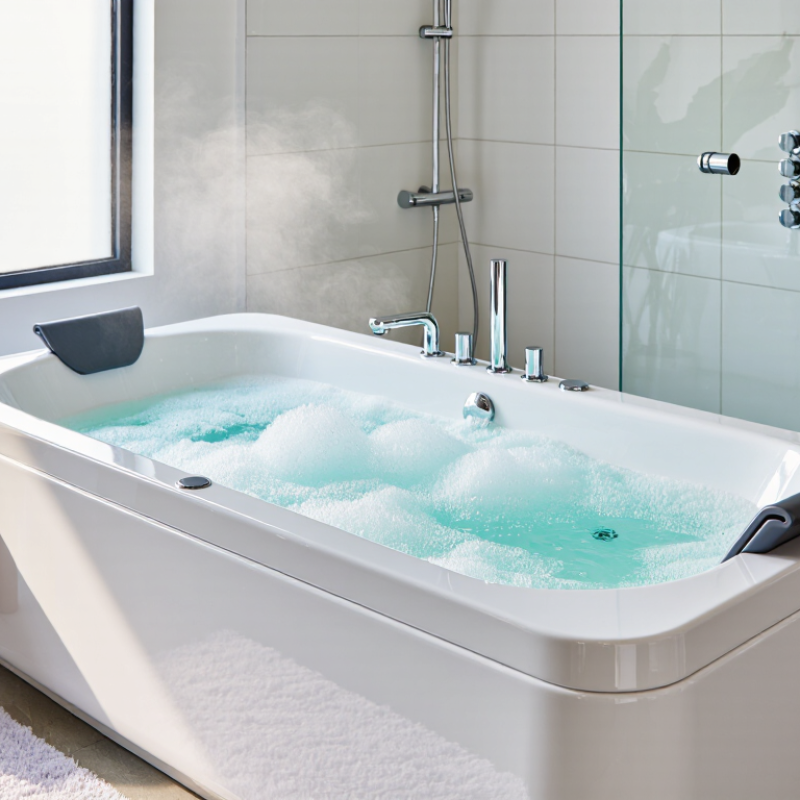
An air bubble massage bathtub is a bathing system that releases thousands of small air bubbles through openings beneath or around the tub. An air pump pushes warmed air into these channels. The bubbles rise through the water and create a gentle, sparkling sensation across the skin.
It is not the same as a water-jet whirlpool. Water jets deliver stronger, focused pressure, while air bubbles usually feel softer and more evenly distributed. In practice, you may notice warmth around your back, calves, and feet rather than deep muscle pressure. The experience can resemble lying in a quiet pool with fine foam brushing your body.
The Global Wellness Institute’s 2024 Global Wellness Economy Monitor valued the global wellness economy at $6.3 trillion in 2023. That growth helps explain interest in home relaxation equipment, but market growth does not prove medical effectiveness. The wording matters.
An air bubble bathtub may support relaxation after work, especially when paired with warm water and dim lighting. It should not be presented as a treatment for pain or illness. The CDC’s Model Aquatic Health Code identifies 104°F, or 40°C, as the upper hot-tub water limit. Users should check the tub’s instructions, limit soaking time, and avoid excessively hot water.
Maintenance also defines the experience. Air channels, drains, and surfaces need regular cleaning and drying. Otherwise, moisture can create unpleasant odors and hygiene concerns. A quieter pump feels luxurious; a noisy one can ruin the mood. The bubbles are appealing, but they are not magic.
An air bubble massage bathtub uses a blower to push air through a network of small air channels. These channels lead to openings beneath or around the tub floor. When activated, the openings release many small bubbles into the water. The bubbles rise gently and create a light, tingling sensation across the skin.
In practical use, the system feels softer than strong water jets. Air pressure spreads across a wider area, so the massage is less focused and usually more relaxing. Many systems offer adjustable intensity through a control panel or air dial. Lower settings suit quiet evening bathing, while higher settings create a livelier movement. The blower may also produce a steady humming sound. It is not completely silent.
The air itself can cool the bathwater faster than expected. Some advanced designs warm the incoming air, but performance differs between models. I once assumed stronger bubbling always meant better comfort. That was not true. Excessive bubbles can feel noisy and may splash over the edge. After each bath, the air channels and tub surface should drain and dry properly. Moisture left behind may encourage unpleasant odors over time. Follow the installation instructions carefully, and have electrical connections checked by a qualified professional. Controls, access panels, and drainage design matter as much as bubble strength.
An air bubble massage bathtub turns ordinary bathing into a quieter relaxation ritual. Fine bubbles rise from the base, creating gentle pressure across the back, legs, and feet. The sensation feels softer than concentrated water jets. Warm water can also support pre-sleep relaxation. A 2019 meta-analysis in Sleep Medicine Reviews found that passive body heating at 40–42.5°C, used one to two hours before bed, reduced sleep-onset time by about 36%. A bathtub cannot perfectly reproduce that research protocol. The evidence is promising, not perfect.
Comfort depends on details beyond bubbles. A supportive backrest, adequate legroom, and simple temperature controls can reduce physical strain. In practical use, steady warmth matters more than aggressive massage. Quiet operation also helps when lighting is low and the room feels still. The Global Wellness Institute’s 2024 report estimated the global wellness economy reached $6.3 trillion in 2023. That figure reflects broader consumer interest in daily well-being, not proof that every wellness product works equally well. A poorly fitted tub may still create shoulder tension.
Use moderation. Keep the water comfortably warm, avoid extended sessions, and follow the manufacturer’s cleaning guidance. People with cardiovascular conditions, reduced heat sensitivity, or pregnancy-related concerns should seek medical advice first. Air bubbles may ease tension, but they do not treat injuries or replace professional care. A small towel behind the neck can help. Sometimes, simple comfort works best.
Evidence-informed bathing parameters for comfort and relaxation
Warm-water bathing can help ease muscle tension and support relaxation. A comfortable bath is commonly kept around 37–40°C and limited to approximately 10–20 minutes. Air bubbles add gentle surface movement without the stronger pressure of conventional water jets, making them suitable for a calm, low-impact bathing experience.
An air bubble massage bathtub can support comfort without creating a medical promise. Warm water may ease stiffness and encourage gentle movement, but it does not replace professional care. The CDC reports that one in four adults aged 65 and older falls each year, with millions receiving emergency treatment. That makes safe entry more important than powerful bubbling. Choose a wide seat, stable grab bars, a low threshold, and controls reachable from a seated position. A handheld shower can also reduce twisting. Small details matter.
Safety needs practical attention. Air jets do not disinfect bathwater. Clean the tub after use, dry the floor, and check the drain cover regularly. Use a thermostatic mixing valve to reduce sudden temperature changes. People with reduced sensation, diabetes, heart conditions, or balance problems should ask a healthcare professional before using hot water. The World Health Organization identifies falls as the second leading cause of unintentional injury deaths worldwide, causing about 684,000 deaths annually. A relaxing bath still deserves careful planning. I would not assume a glossy, textured floor stays slip-resistant when wet.
Tips: Test the transfer route before installation. Sit, stand, and reach for the controls. Keep the air setting moderate, because strong bubbling can increase splashing and noise. Never leave a child or vulnerable adult alone in the tub. Review the manufacturer’s cleaning instructions, and inspect seals when the tub feels unusually noisy.
An air bubble massage bathtub releases warm bubbles through small openings beneath the water. The sensation feels gentle, light, and evenly distributed. It can help create a relaxing bathing routine after a tiring day. However, air systems may cool the water faster than stronger water jets. They can also produce noticeable motor noise. Consider these details before choosing one.
Measure the bathroom carefully, including doorways and floor space. Select a tub that supports your height without forcing your knees upward. A textured floor can reduce slipping, but excessive texture may feel uncomfortable. Check the pump location and leave enough access for future servicing. Electrical connections should be installed by a qualified professional. I once focused too much on appearance and overlooked pump access. That mistake made routine inspection unnecessarily difficult.
Maintenance starts with simple habits. Rinse the surface after each bath and remove hair from the drain cover. Use a soft cloth and a mild, non-abrasive cleaner. Harsh chemicals may damage seals and finishes. Run the manufacturer’s cleaning cycle as directed, then drain the system completely. Avoid bath oils unless the instructions specifically allow them. Moisture left around the pump area deserves attention. Check for unusual sounds, weak bubbles, or slow drainage. Small problems are easier to fix. There is room for improvement. Even careful owners may forget to inspect hidden hoses every few months.
It releases many small bubbles through openings beneath or around the tub. The bubbles create a gentle, sparkling sensation.
A blower pushes air through hidden channels. The air escapes through small openings and rises through the bathwater.
The sensation is soft and widely distributed. It may feel like fine foam brushing your back, calves, and feet.
No. Water jets provide stronger, focused pressure. Air bubbles feel gentler and usually more relaxing.
It may support relaxation after work. It should not be described as a treatment. Market interest proves very little.
The upper hot-tub limit is 104°F, or 40°C. Check the tub instructions and avoid excessively hot water.
Not always. Higher settings may feel lively, but excessive bubbles can create noise and splashing.
Clean the air channels, drain, and tub surfaces regularly. Clean, then dry. Moisture can cause unpleasant odors.
Usually, yes. A steady hum is common. A loud pump can disturb a quiet evening.
Check the controls, access panels, drainage, and electrical connections. A qualified professional should inspect electrical work.
An Air Bubble Massage Bathtub is a bathing system designed to create a gentle, relaxing experience through streams of air released from small jets. Unlike water-jet tubs, it uses air bubbles to produce a lighter, softer massage across the body. The system typically includes an air pump, strategically placed outlets, and simple controls that allow users to adjust the intensity. This soothing movement can help relieve daily tension, support relaxation, and make ordinary bathing feel more restorative.
When choosing an Air Bubble Massage Bathtub, consider its size, shape, jet coverage, control design, noise level, and ease of entry. Safety features such as slip-resistant surfaces, stable handholds, comfortable seating, and accessible controls are especially important for older adults or people with limited mobility. Regular maintenance should include rinsing and cleaning the tub, checking the air system, drying surfaces properly, and following the manufacturer’s care instructions. With thoughtful selection and consistent upkeep, the bathtub can provide a comfortable, safe, and enjoyable home bathing experience.

Kaifeng