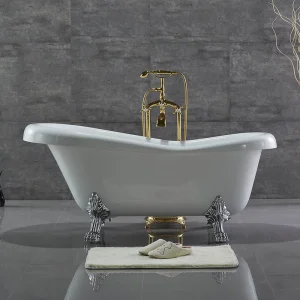
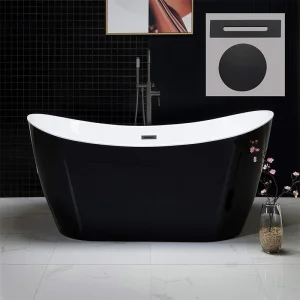
Premium selection of factory-direct shower doors, cabins, and wellness products optimized for international standards.
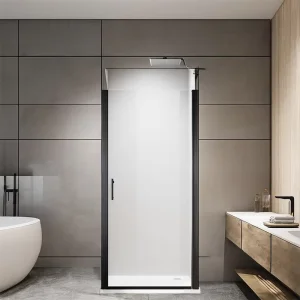
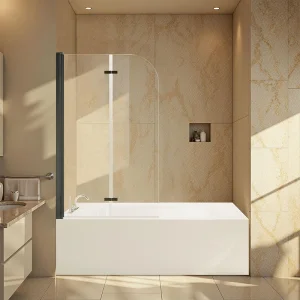
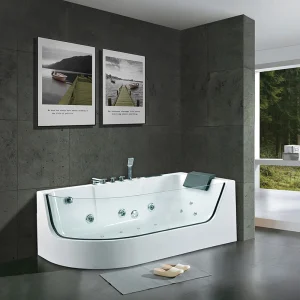
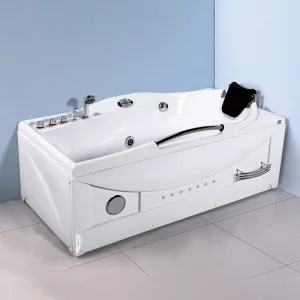
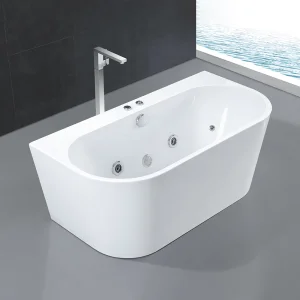
The global sanitary ware market is undergoing a structural paradigm shift driven by urban densification, rising middle-class disposable income, and hotel infrastructure expansion. Tempered glass shower doors, once considered premium architectural accents, have transitioned into essential structural elements of modern residential and commercial bathroom design. Sourcing from cost-effective factories in key regional manufacturing clusters—especially Hangzhou, China—has enabled builders, hospitality procurement groups, and wholesalers to maintain competitive pricing without sacrificing safety.
Tempering technology (thermal toughening) increases the mechanical strength and thermal resistance of float glass. Globally, regions such as North America, Europe, and the Middle East enforce stringent localized compliance codes, meaning factory sourcing is no longer merely a commercial exercise but an engineering alignment project. Modern factories must balance high-throughput production lines with customization, producing variations from sliding frameless doors to specialized matte black framed pivot structures.
International commercial projects demand consistency. Modern sanitary manufacturing hubs leverage clustered ecosystems where raw float glass, structural hardware (Grade 304/316 Stainless Steel and high-performance aluminum alloys), and packaging materials are sourced in close proximity. This geographic advantage drastically reduces lead times and lowers containerized shipping costs, making factory-direct procurement from China the primary channel for high-volume B2B buyers.
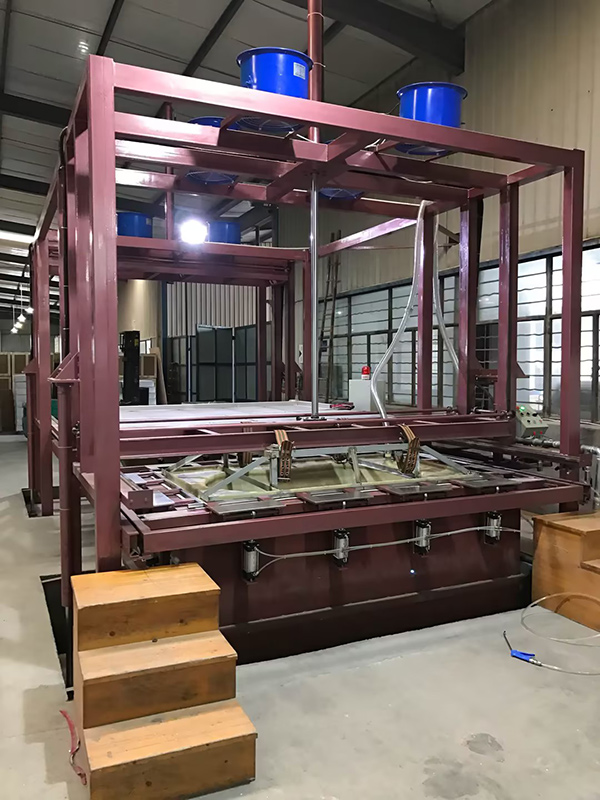
Tempered glass is classified as safety glass under international building codes (e.g., ANSI Z97.1 in the US, EN 12150 in the EU, and SGCC guidelines). The tempering process involves heating standard float glass to approximately 620°C–650°C and then rapidly chilling the surface with high-pressure air nozzles (quenching). This locks the inner core in tension while compressing the outer surfaces, resulting in up to 5 times the strength of annealed glass.
Applied silica-based coatings repel hard water stains, preventing limescale buildup and dramatically lowering maintenance costs in commercial properties.
Micro-thin polymeric laminates ensure that even under catastrophic impact, shattered glass particles remain bound together, eliminating immediate injury risks.
Removing iron impurities eliminates the green hue inherent in standard float glass, offering ultra-clear, high-transmittance minimalist designs.
Reputable factories operate under strict quality management systems (like ISO 9001:2000). Every glass sheet undergoes automated optical scanning to detect micro-inclusions (specifically nickel sulfide particles, which are the main cause of spontaneous glass breakage). By implementing heat soak testing (HST), manufacturers can accelerate the expansion of these particles under controlled heat, weeding out defective glass panels before they leave the factory floor.
To understand the standard of manufacturing Excellence, look no further than the operations of Hangzhou Kaifeng Sanitary Ware Co., Ltd. Located in Xiaoshan District, Hangzhou, the company has dedicated two decades to engineering high-quality, innovative, and sustainable sanitary ware solutions for modern living.
Founded in 2005, Hangzhou Kaifeng Sanitary Ware started as a small workshop with a big dream. Over 20 years, we have grown into a reputable brand, known for our dedication to quality and innovation. Our journey has been shaped by the trust and support of our customers, and we are committed to continuing this legacy of excellence. We invite you to explore our collection and experience the Kaifeng difference. Together, let’s create spaces that inspire and delight.
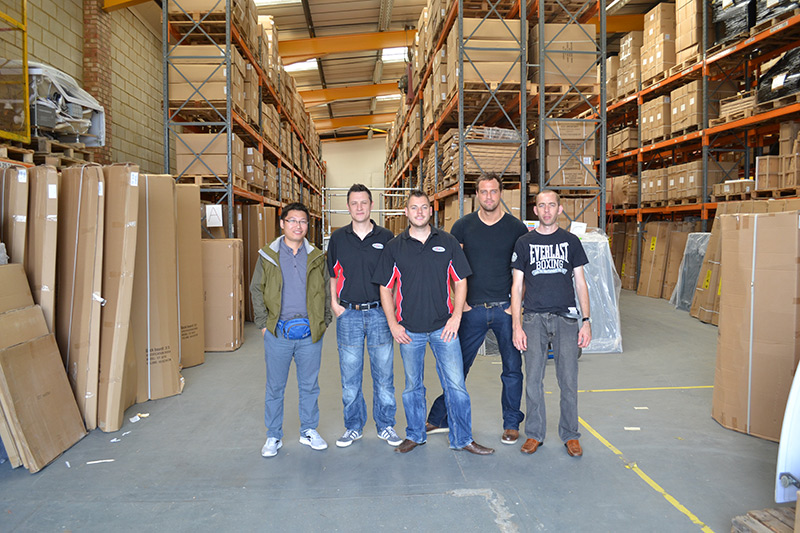
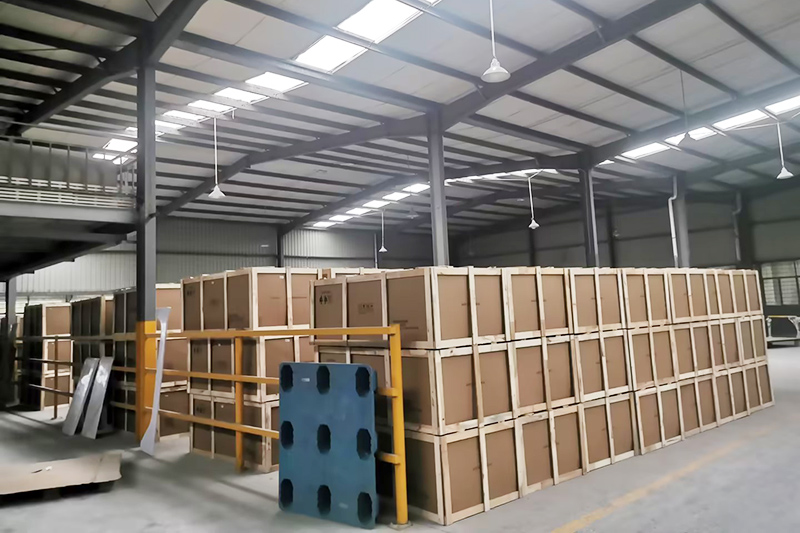
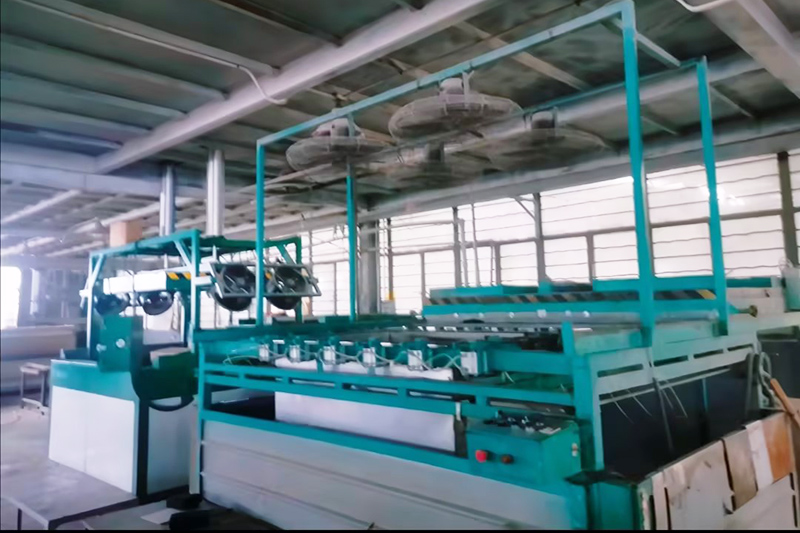
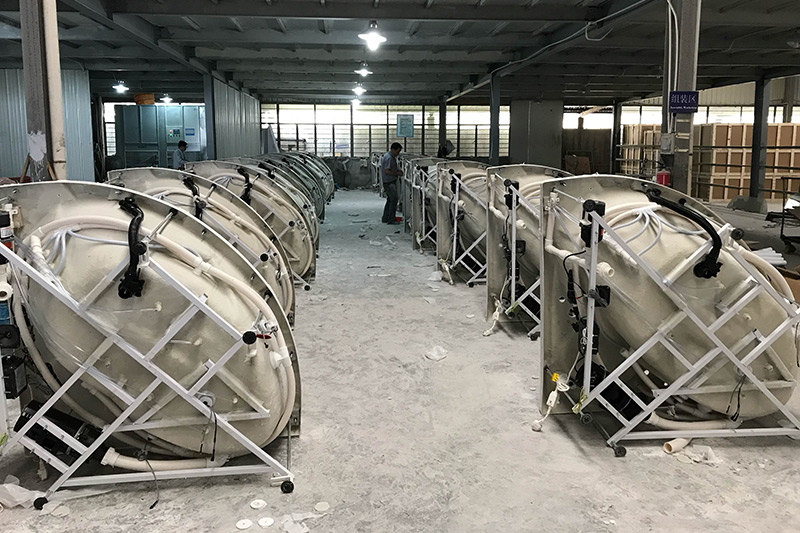
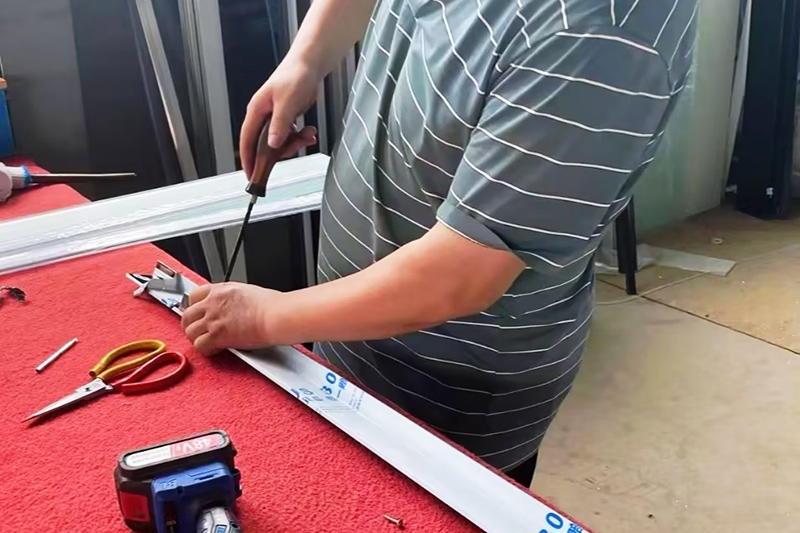
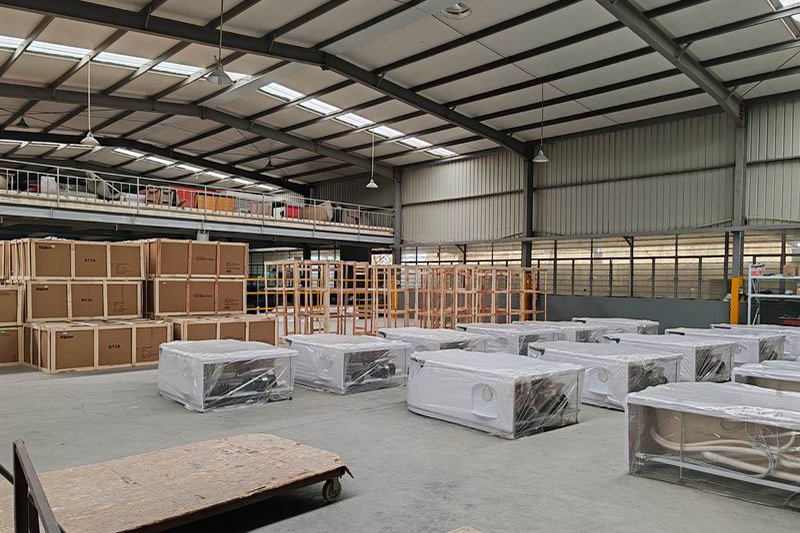
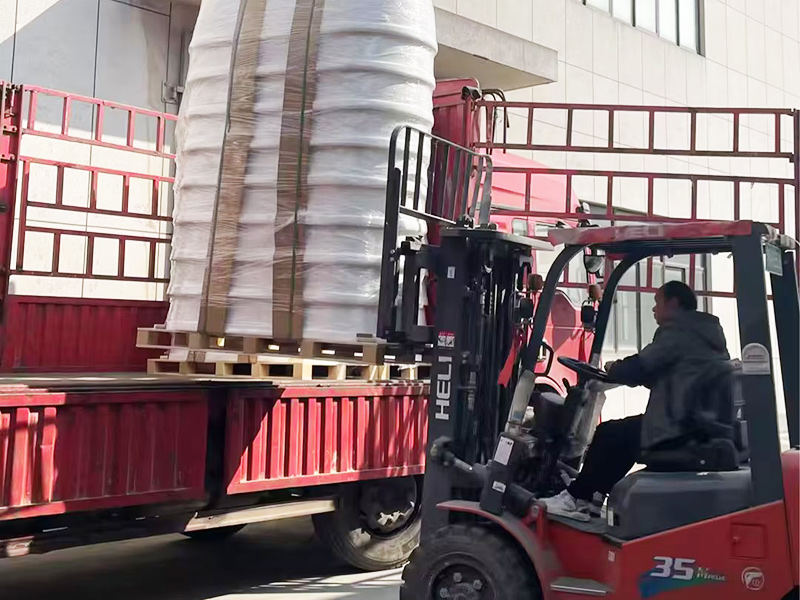
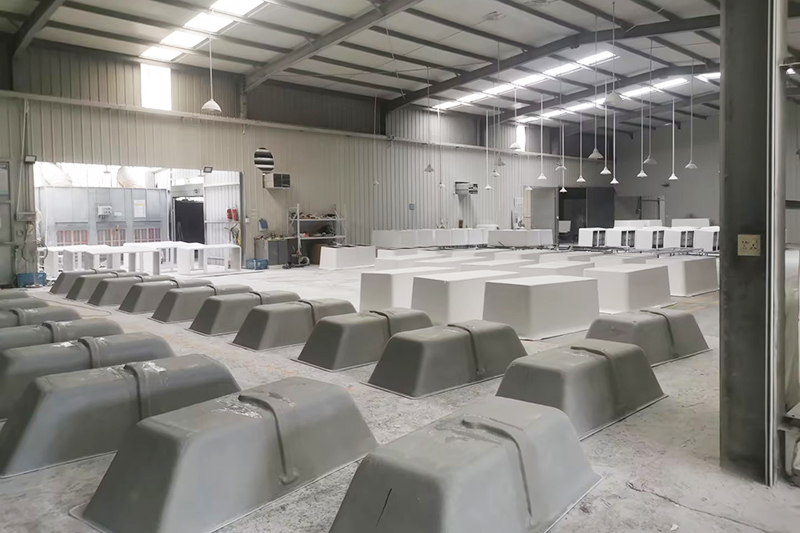
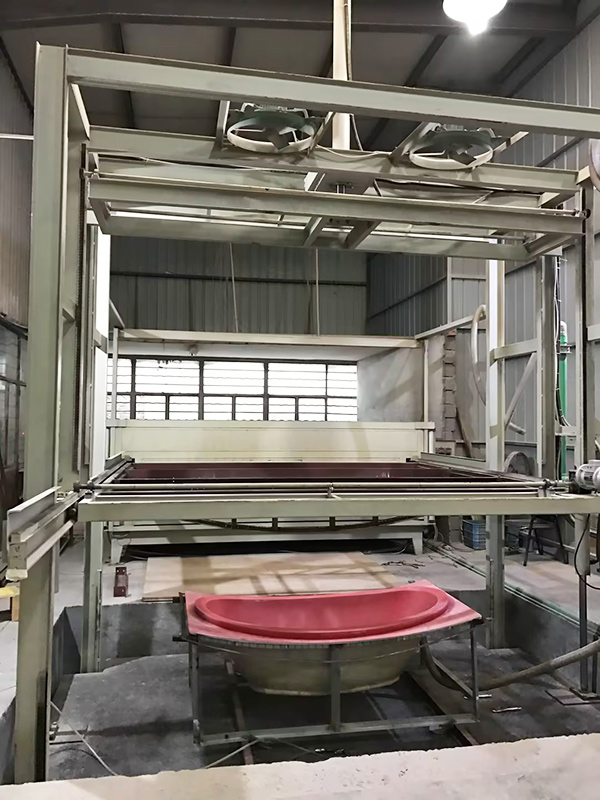
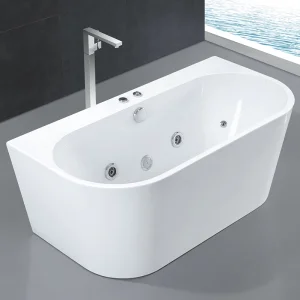
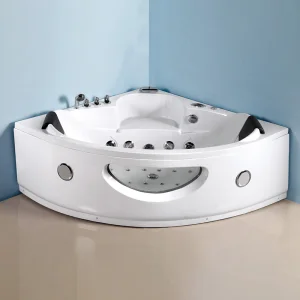
Operating within a modern, state-of-the-art 20,000-square-meter factory, the company boasts a robust monthly production output: 1,500 bathtubs, 1,500 shower rooms, and 2,000 shower panels. With over 80% of products exported to premium global markets including the USA, Canada, UK, Germany, South America, and the Middle East, Kaifeng maintains an impressive annual footprint: selling 36,000 freestanding bathtubs, 6,000 massage bathtubs, 60,000 shower rooms, and 12,000 complete bathrooms annually.
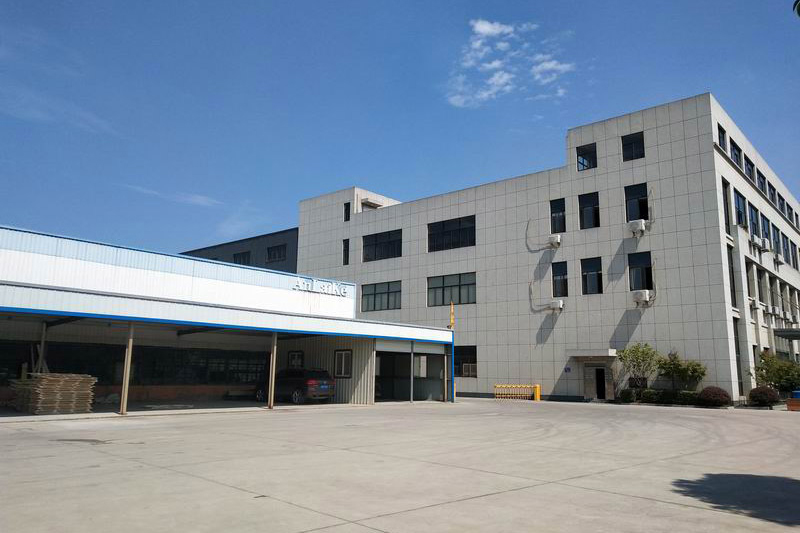
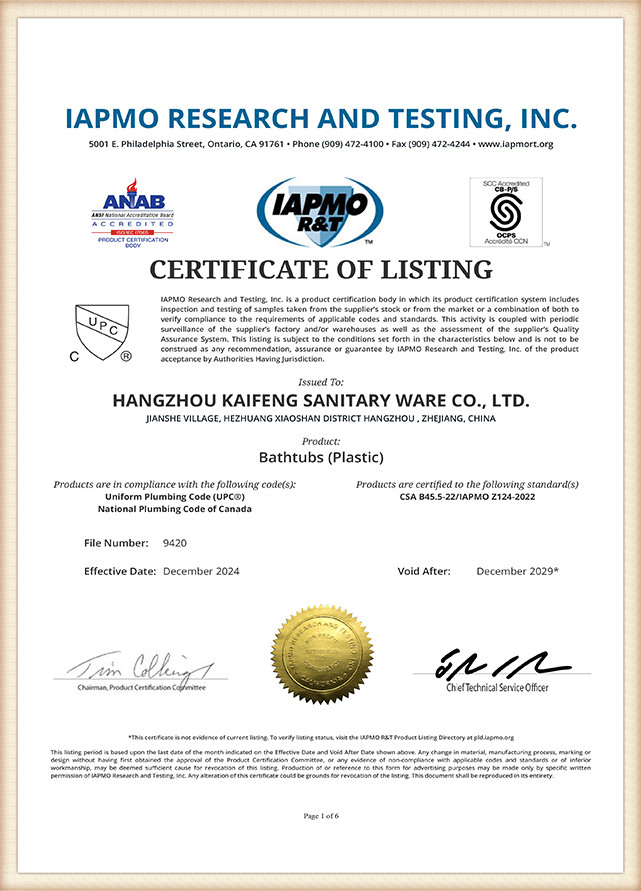
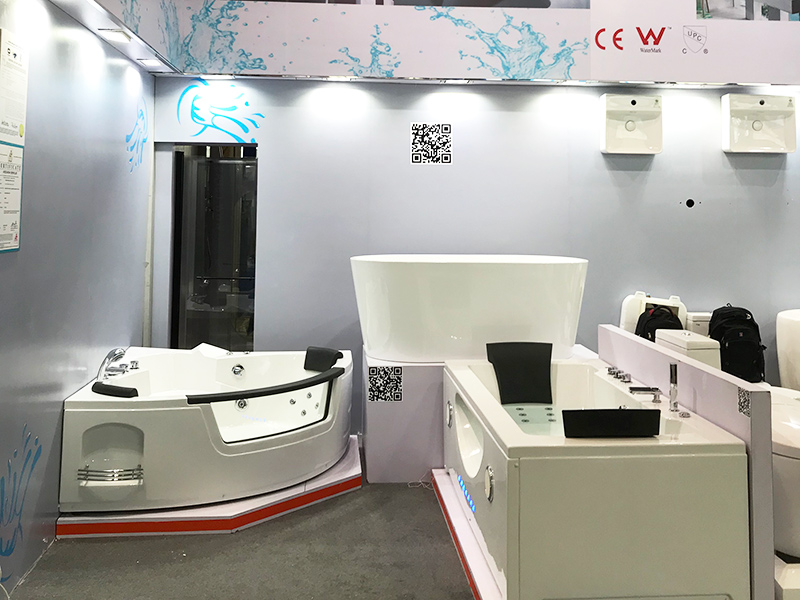
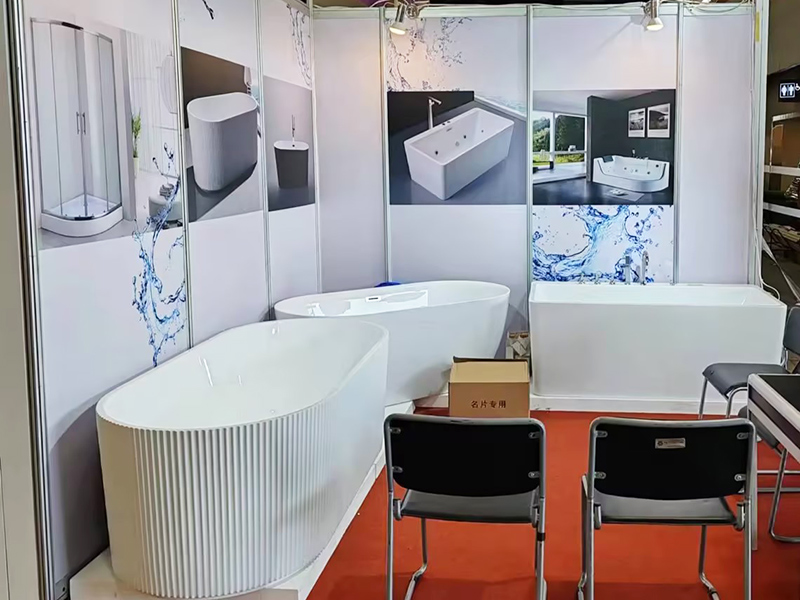
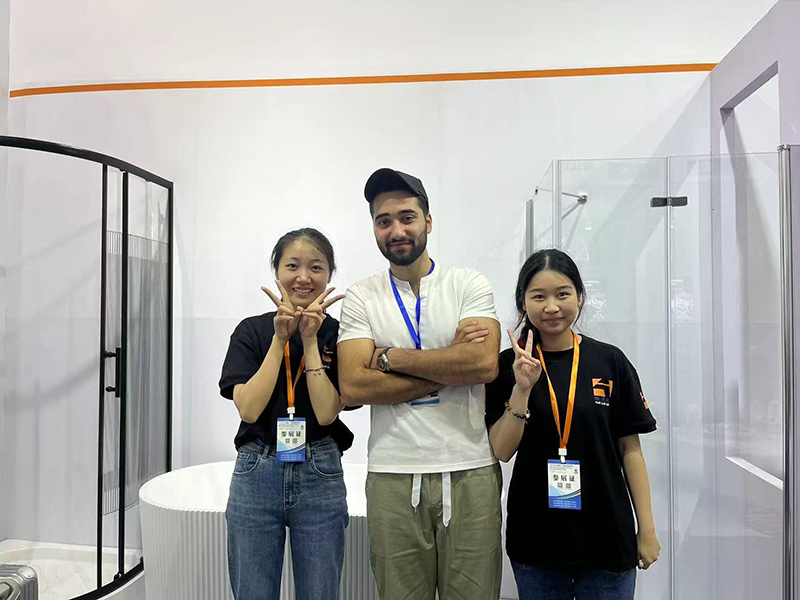
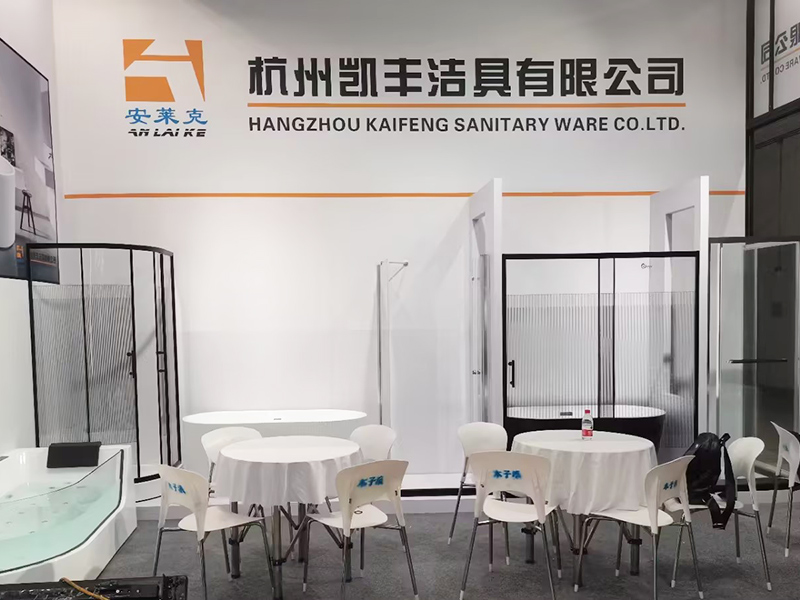
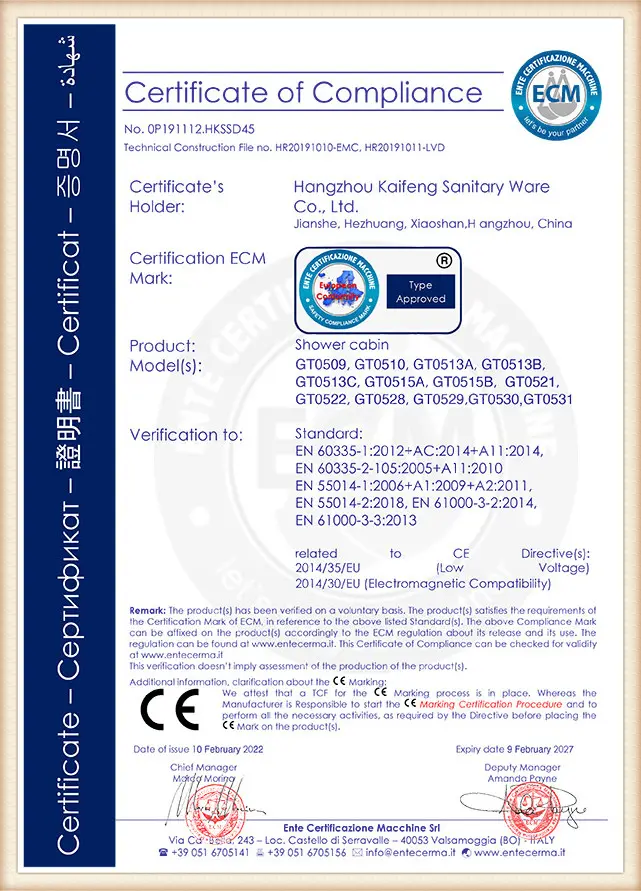
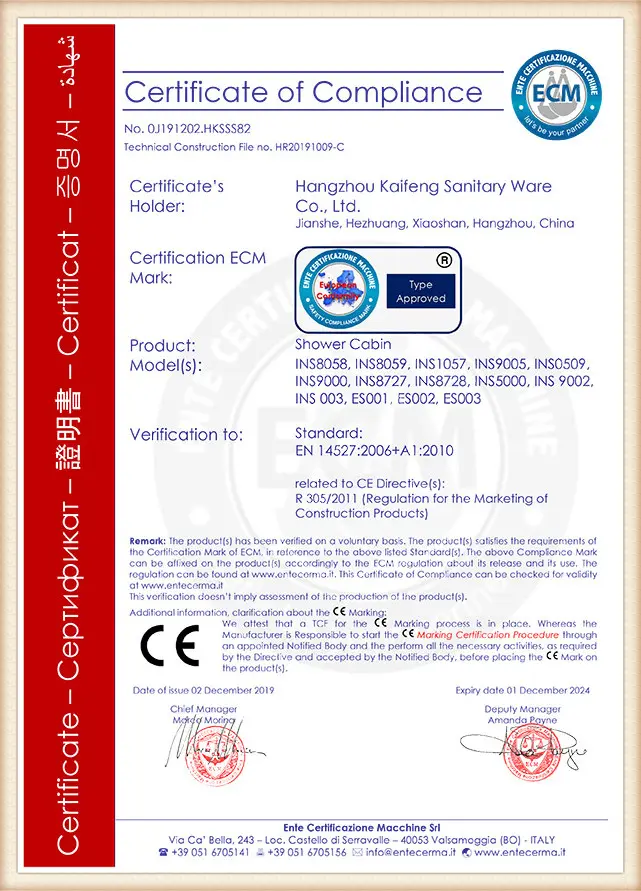
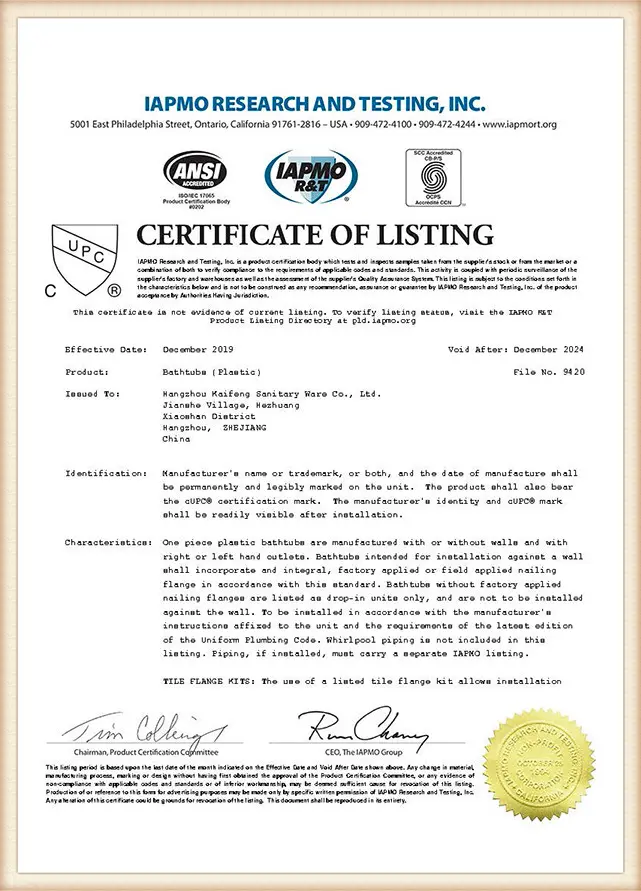
We operate under the ISO 9001:2000 quality management system, ensuring strict quality control from raw materials to finished products. By staying attuned to market trends and customer feedback, we deliver innovative solutions tailored to global needs. Our global presence is strengthened through participation in major exhibitions like the Canton Fair, IBS (USA), and The Big 5 (Middle East), as well as through premium memberships on Alibaba and Made-In-China. We welcome partners to visit our factory and explore opportunities for collaboration.
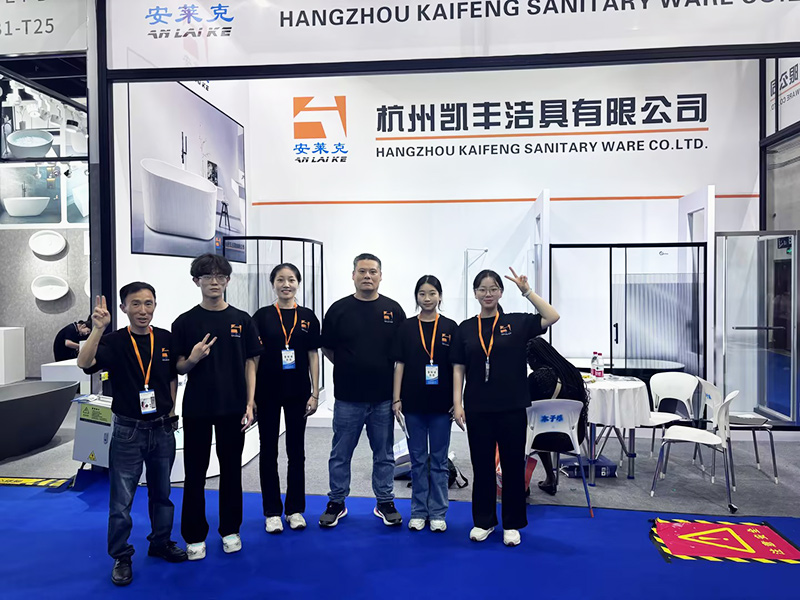
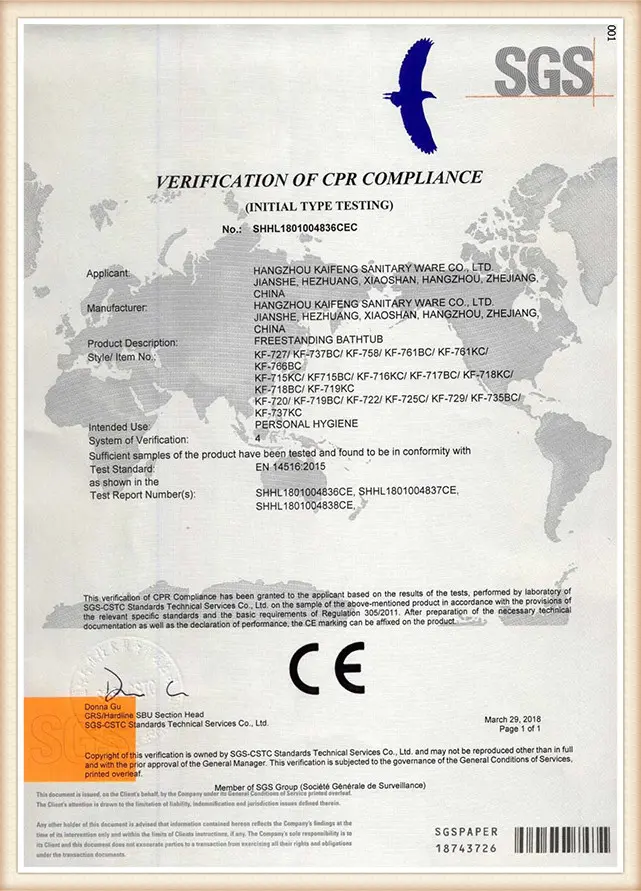
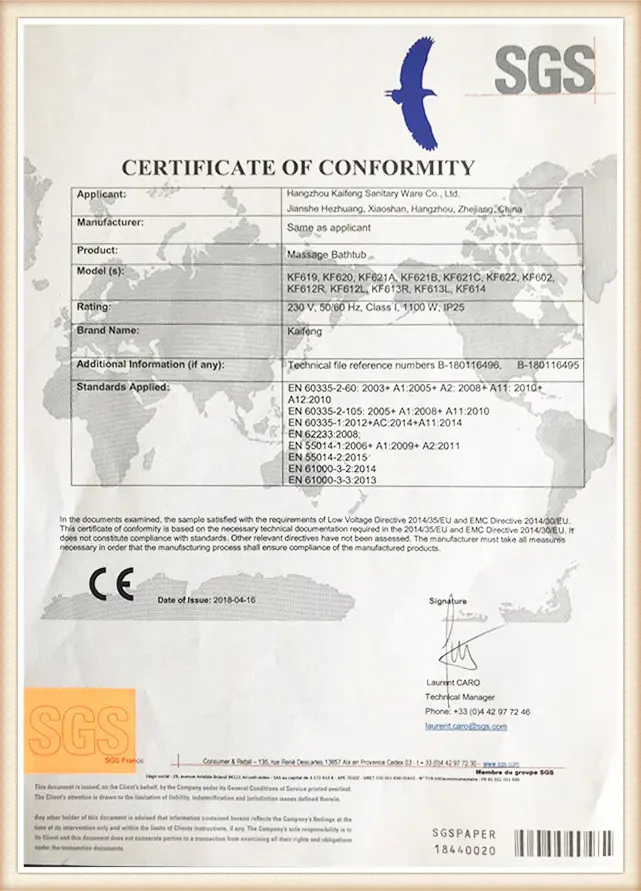
The future of bathroom spaces is transitioning from utility-driven design to a wellness-focused smart room. We foresee three major technology pillars leading the next generation of tempered glass shower doors:
Polymer Dispersed Liquid Crystal (PDLC) technology integration allows users to toggle the shower glass from transparent to opaque with the flick of a switch or a voice command. This technology, previously confined to luxury architectural features, is rapidly approaching cost-efficient scaling points. Sourcing partners are currently engineering custom low-voltage, water-insulated channels within standard frame profiles to handle structural power transmission safely in wet environments.
With global mandates focusing on carbon footprints, next-generation factories are adapting by sourcing raw silica glass produced in electric-powered or hydrogen-assisted furnaces. In addition, reusing 98% of closed-loop cooling water in the glass edge grinding process is quickly becoming standard practice. These operational improvements ensure that global projects meet LEED (Leadership in Energy and Environmental Design) certification metrics from the early design phase.
The hardware component of the shower door—specifically structural tracks, rollers, and hinges—is critical to long-term reliability. Moving beyond traditional electroplating, factories are increasingly utilizing Physical Vapor Deposition (PVD) processes. PVD creates molecular-level bonds that prevent pitting, scratching, and oxidation, preserving clean finishes (like Matte Black, Brushed Gold, and Satin Chrome) even after years of daily exposure to moisture and abrasive cleaners.
Sourcing tempered glass requires an understanding of how local building rules and layout styles affect design choices. By analyzing global user intent, we can map three common architectural use cases:
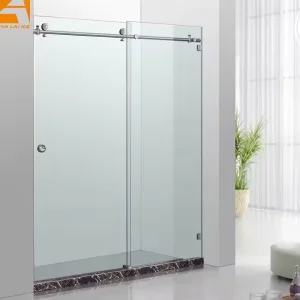
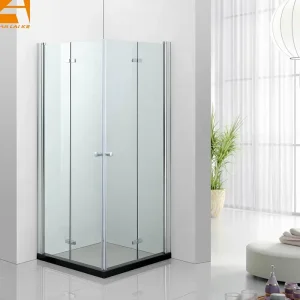
Hospitality procurement favors configurations like the China EM Premium Aluminum Frame Hinged shower door or sliding frameless enclosures (such as the KF-2314B). Space optimization is key. Sliding models save floor space, while heavy-duty rollers ensure smooth, quiet operation. Our design features thick tempered glass (typically 8mm to 10mm) combined with high-grade structural aluminum, balancing modern style with long-term durability.
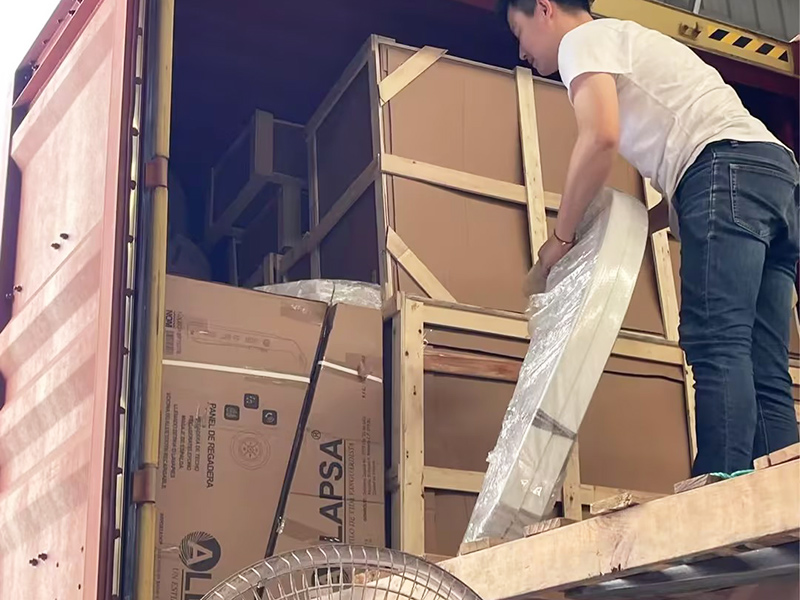
In multi-family real estate developments, budget control and visual appeal are equally important. Frameless, minimalist panels (such as Anlaike KF-2303A/B) create a clean, open feel in smaller urban bathrooms. Factory-level packaging, which includes customized corner protectors and heavy-duty bubble wrap, reduces transport breakage and lowers overall installation costs.
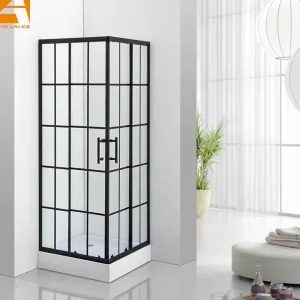
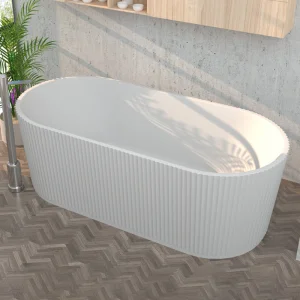
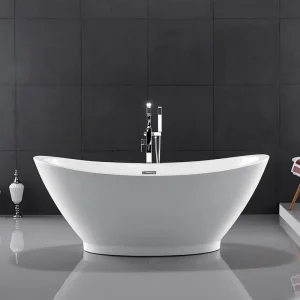
High-end residences and luxury spas often call for unique options like Matte Black structural grids (such as the Cheap Matte Black Glass Bathroom Shower Cabin Anlaike KF-2301B) or spacious freestanding tubs featuring air bubble massage functions. Working directly with a supplier capable of managing both glass cutting and acrylic thermoforming allows developers to maintain consistent design details across all fixtures.
Expert engineering answers to common procurement questions asked by architectural buyers and global distributors.
Explore our full range of modern shower rooms, freestanding bathtubs, and wellness systems designed for global exports.
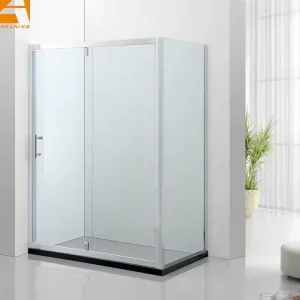
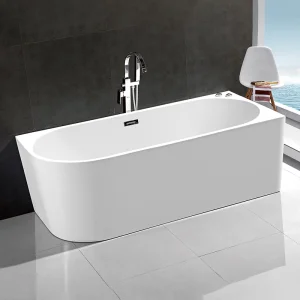
For inquiries about our products or pricelist, please leave your email to us and we will be in touch within 24 hours.
Hangzhou Kaifeng Sanitary Ware Co., Ltd. is dedicated to creating high-quality, innovative, and sustainable sanitary ware solutions for modern living. With 20 years of expertise in the industry, we have become a trusted name in bathroom and kitchen products, serving over 50 countries worldwide.
 Kaifeng