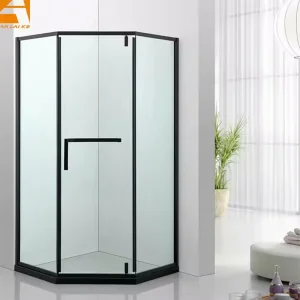
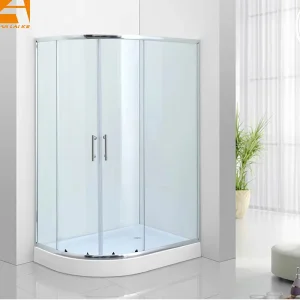
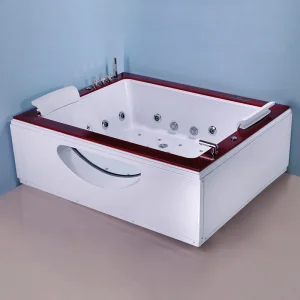
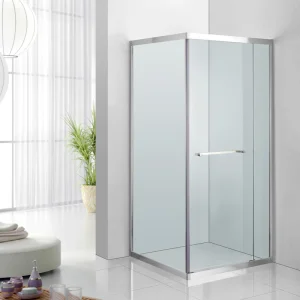
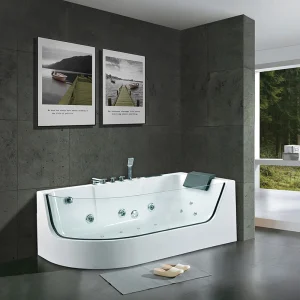
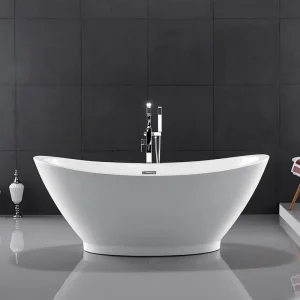
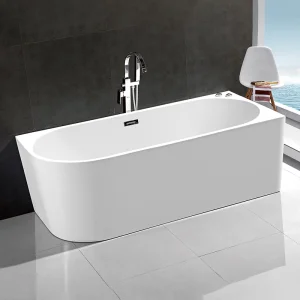
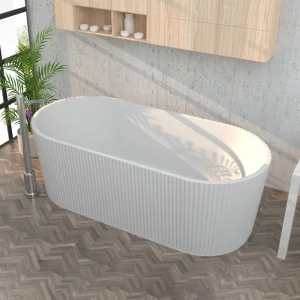
Hangzhou Kaifeng Sanitary Ware Co., Ltd. is a dedicated, forward-looking manufacturer specializing in creating high-quality, innovative, and sustainable sanitary solutions designed for modern living. With two decades of engineering and fabrication expertise, we have established ourselves as a reliable partner in the global B2B sanitary ware supply chain, servicing construction projects, hospitality distributors, and bulk importers across more than 50 countries worldwide.
Our core manufacturing philosophy fuses elegant visual designs with strict mechanical durability. We believe that shower enclosures, bathtubs, and bathroom screens are not merely functional partitions, but structural components that demand high stability, water retention, and effortless motion. By tracking consumer behavioral data and working directly with structural engineers, we continually optimize track layouts, structural profiles, and glass tempering processes.
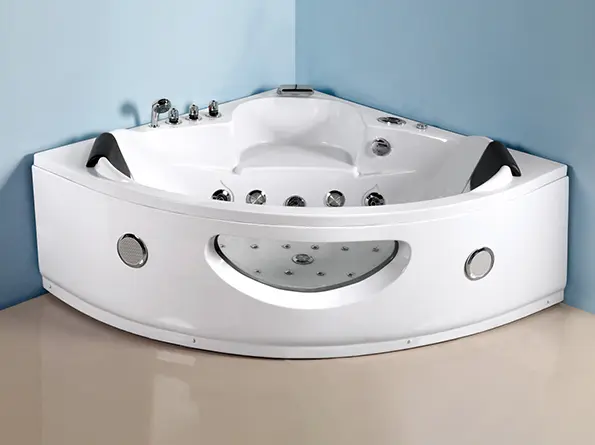
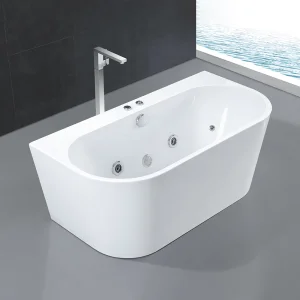
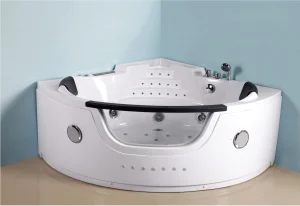
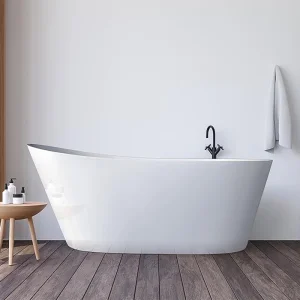
Founded in 2005, Hangzhou Kaifeng Sanitary Ware began as a small, specialized workshop with a commitment to local hardware fabrication. Over the past 20 years, through strategic investment in automated glass cutting, precision tempering lines, and hardware CNC milling, we have grown into a high-capacity enterprise. Today, we supply 36,000 freestanding bathtubs, 6,000 massage bathtubs, 60,000 shower rooms, and 12,000 complete modular bathrooms annually. Driven by our commitment to global excellence, our annual sales revenue exceeds USD 10,000,000, illustrating our position as a stable, high-capacity supplier in Eastern China.
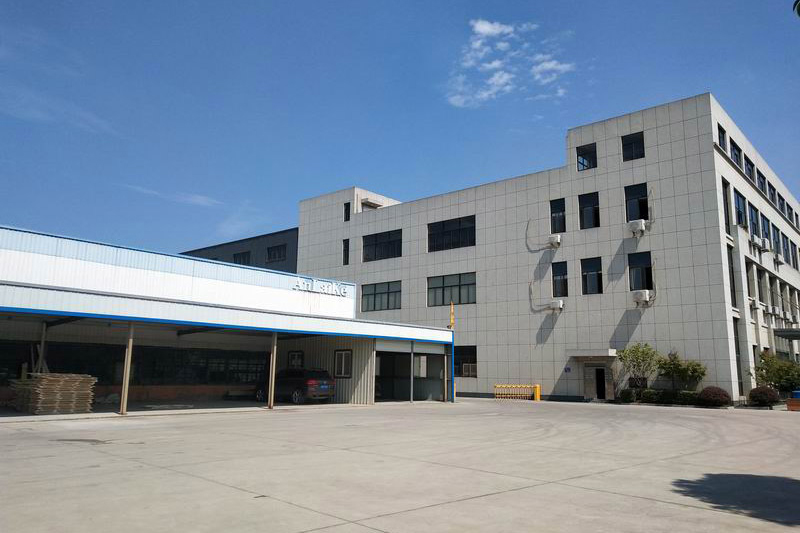
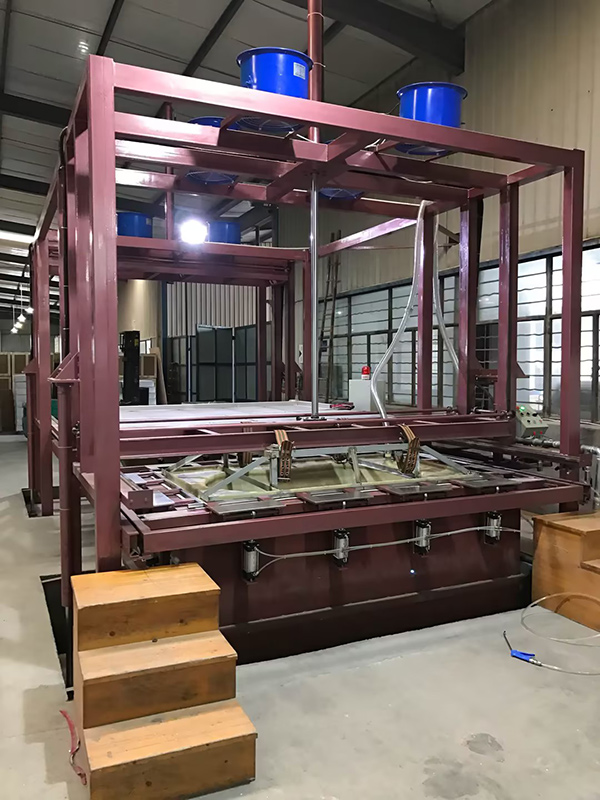
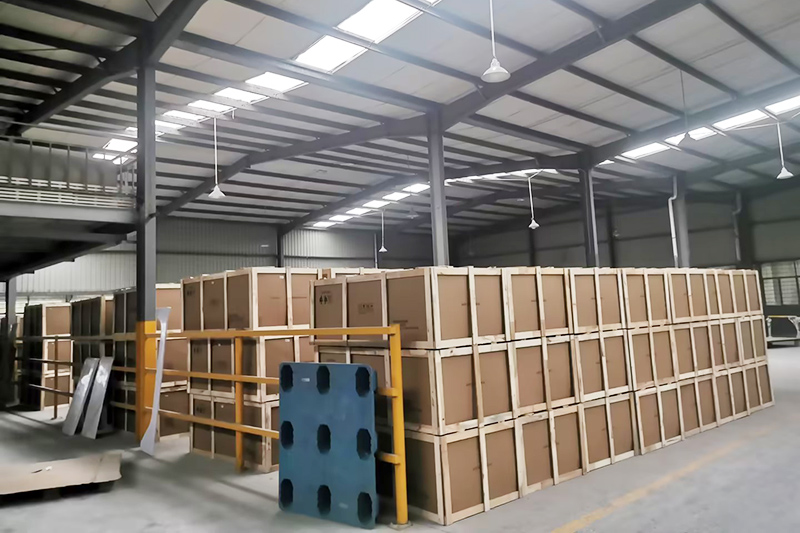
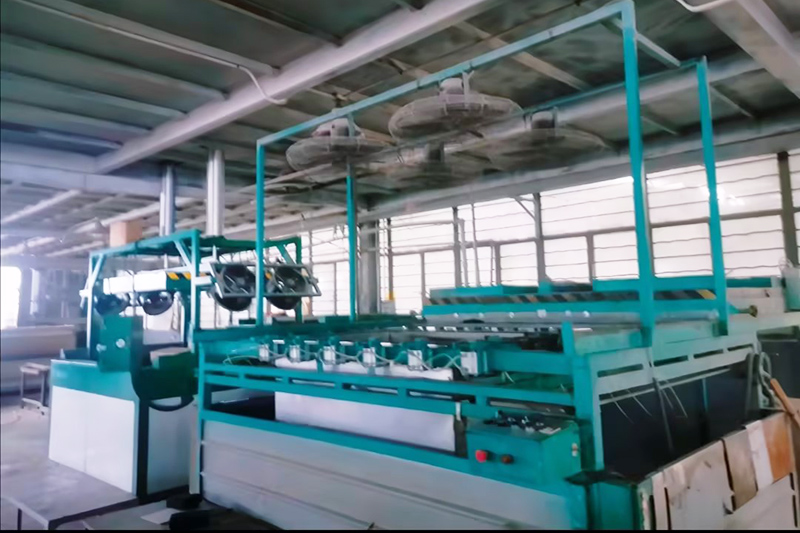
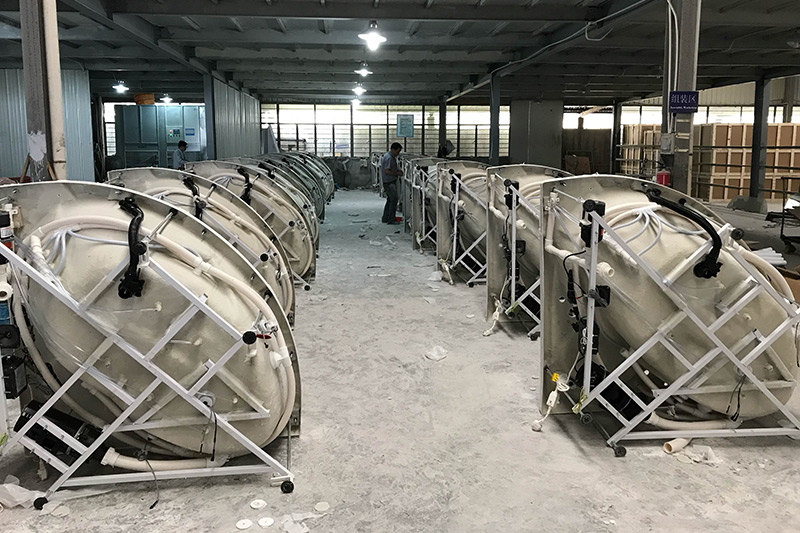
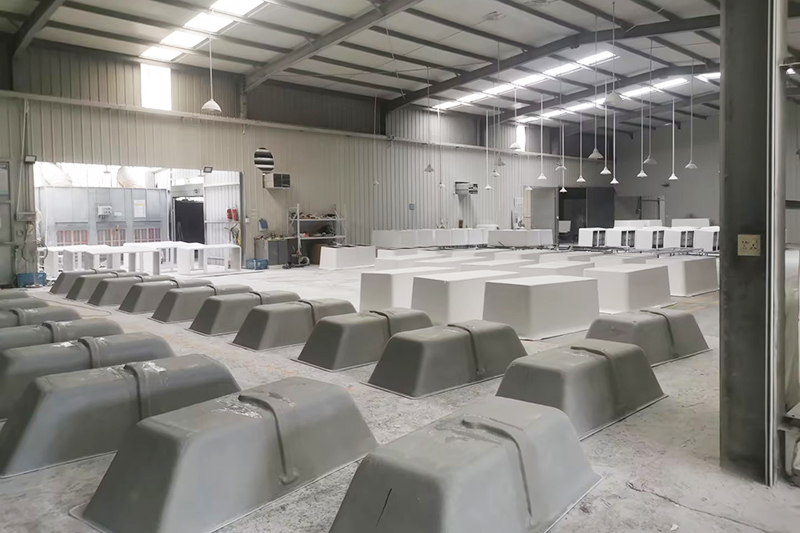
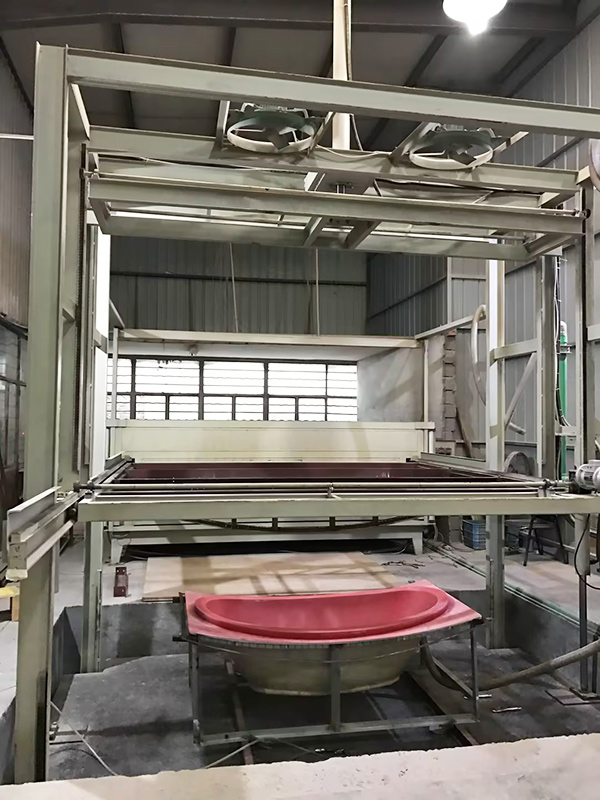
Our production lines in Xiaoshan District, Hangzhou.
A comprehensive technical guide to sourcing, glass quality verification, hardware load capabilities, and market trends.
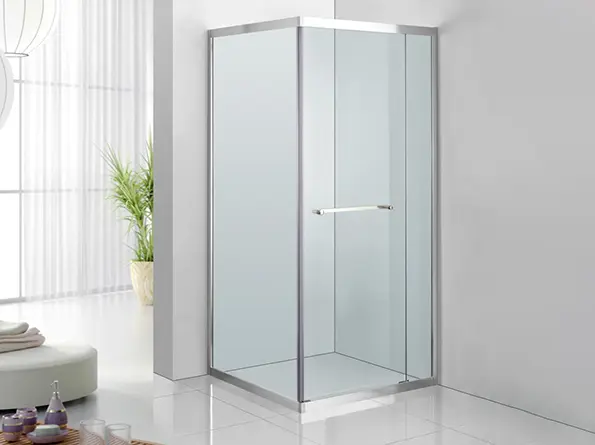
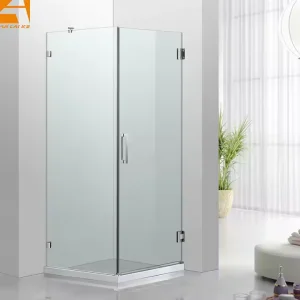
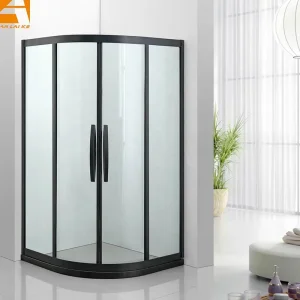
Urban density, micro-housing developments, and hotel construction are redefining spatial configuration guidelines for bathrooms worldwide. The sliding door shower enclosure has become a preferred configuration because of its zero-swing arc footprint. Unlike traditional pivot or hinged doors that require clearance inside or outside the wet area, sliding mechanisms operate entirely within the boundaries of the enclosure. This configuration allows project planners and bathroom designers to position vanities, toilets, and heating racks directly adjacent to the enclosure, maximizing usable square footage.
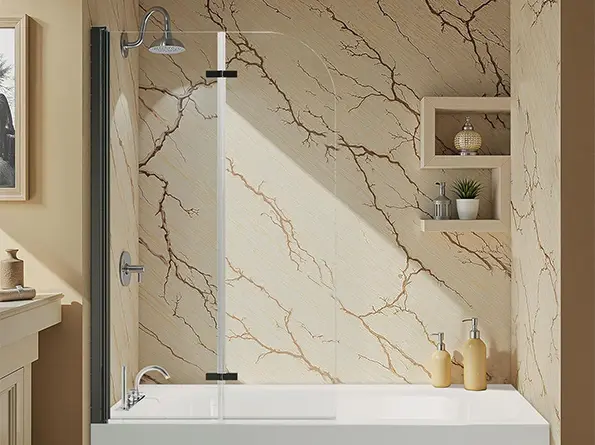
Furthermore, contemporary architectural designs favor glass-dominant, minimalist styles. High-clarity tempered glass panels, slim metallic framing, and recessed bottom rails create an open feel, allowing light to flow through tight floorplans. This shift is fueling global demand for custom glass dimensions, matte black anodized profiles, and luxury finishes like brushed nickel, chrome, and satin brass.
"Modern luxury hospitality projects demand enclosures that look visually lightweight while meeting strict safety standards. Choosing sliding structures requires selecting hardware components that can support heavy tempered glass panels over thousands of opening cycles."
A high-quality sliding door shower enclosure is built on three key engineering pillars: glass structural integrity, metallic rail durability, and roller track mechanics.
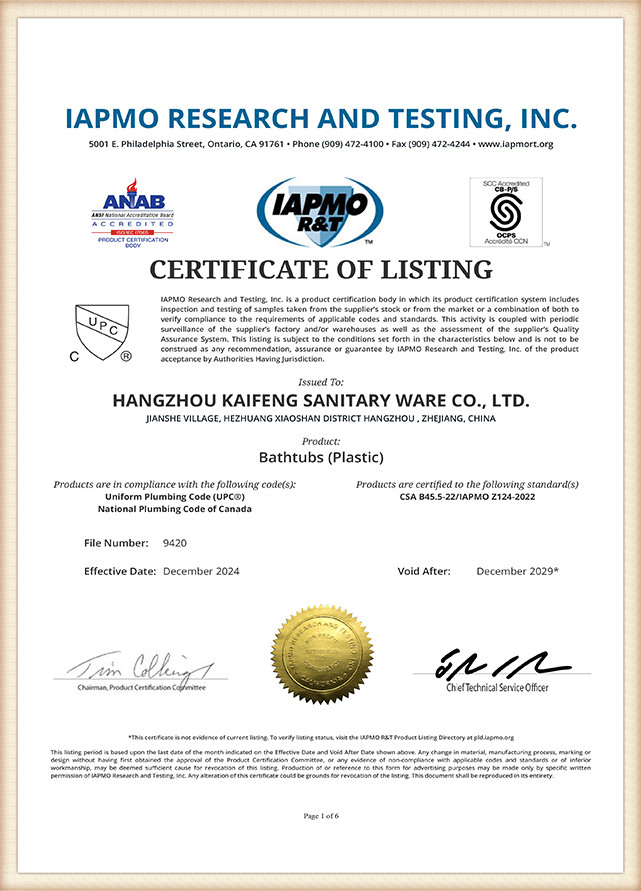
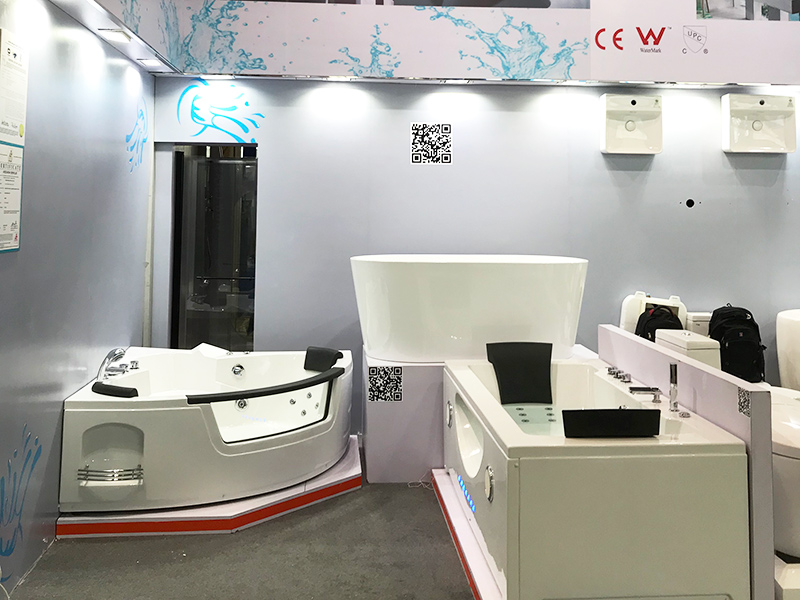
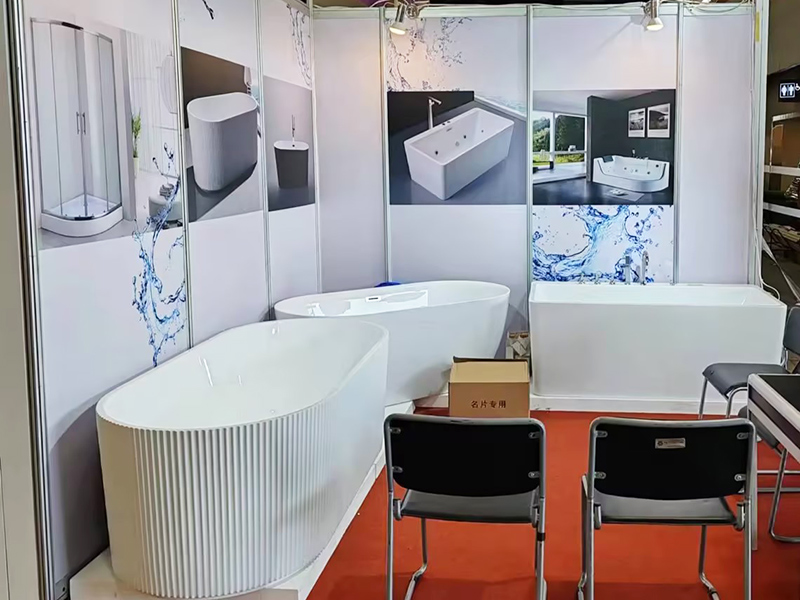
China is a leading global supplier of sanitary ware due to its integrated raw material and hardware supply chains. Located in the Xiaoshan District of Hangzhou, Zhejiang Province, our facility benefits from proximity to primary metal refineries, specialized glass processing clusters, and structural component suppliers.
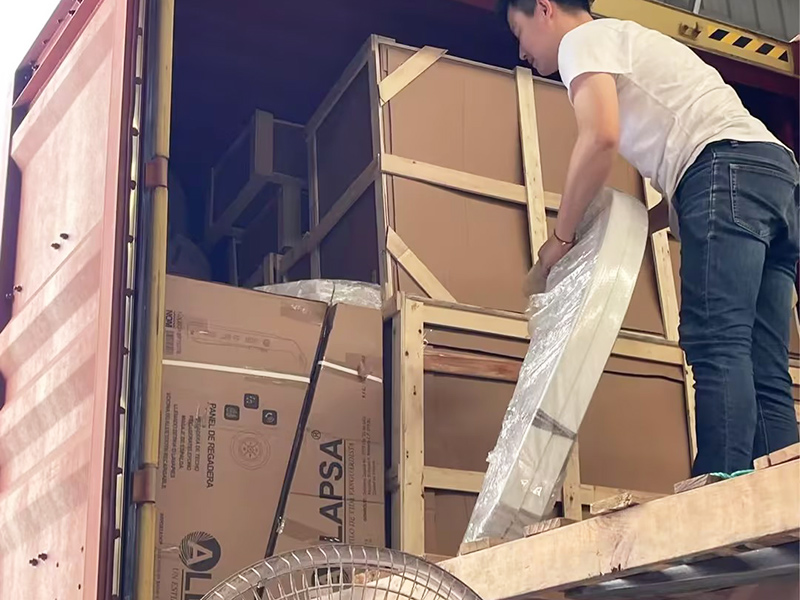
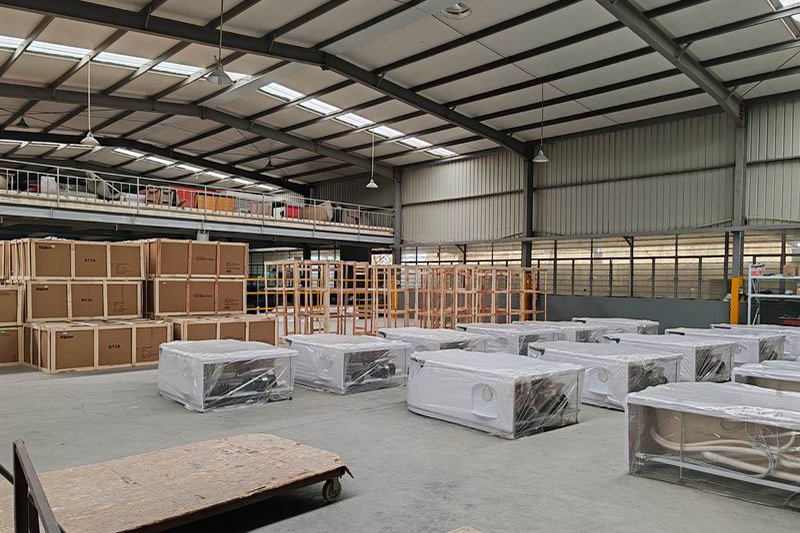
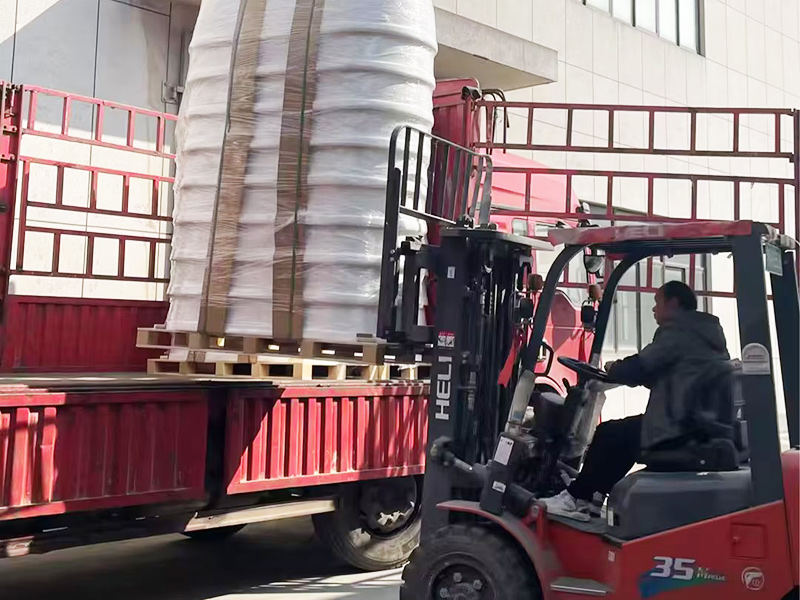
This geographic positioning minimizes logistics times and raw material sourcing costs. At Hangzhou Kaifeng Sanitary Ware Co., Ltd., our 20,000-square-meter facility produces 1,500 bathtubs, 1,500 shower rooms, and 2,000 shower panels monthly. Our manufacturing lines run under an ISO 9001:2000 Quality Management System, tracking materials from raw aluminum extrusions to final packaging and loading. This supply chain efficiency enables us to offer competitive pricing without compromising on glass safety or metal finishing quality.
To serve diverse markets, manufacturers must adapt product designs to match local construction practices and consumer preferences:
The sanitary manufacturing sector is moving toward sustainability and smart-home integration. Key innovations include:
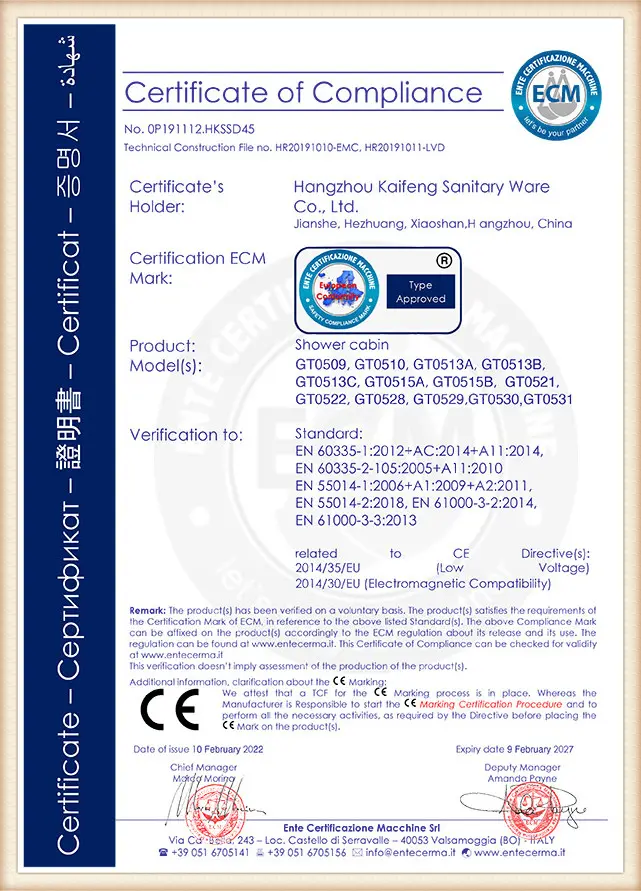
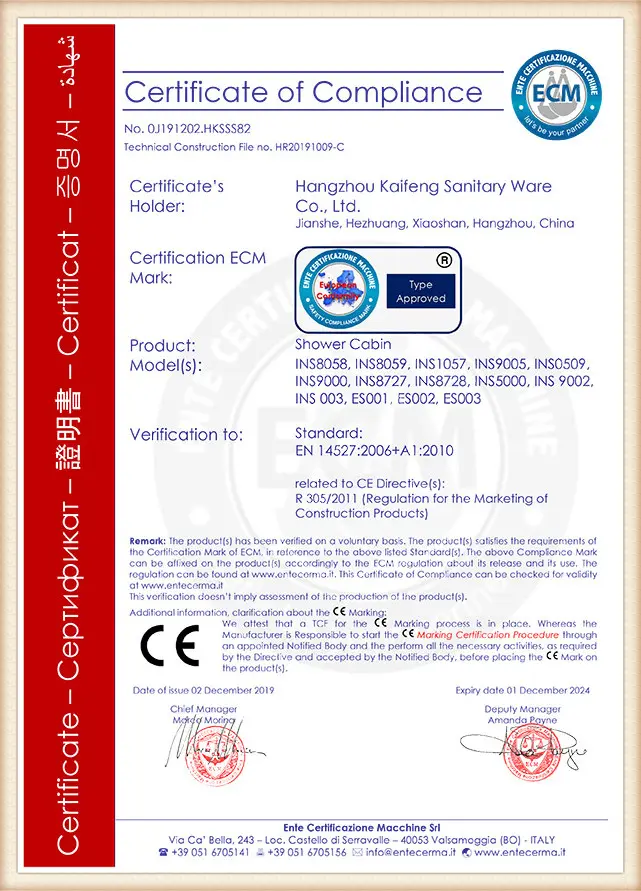
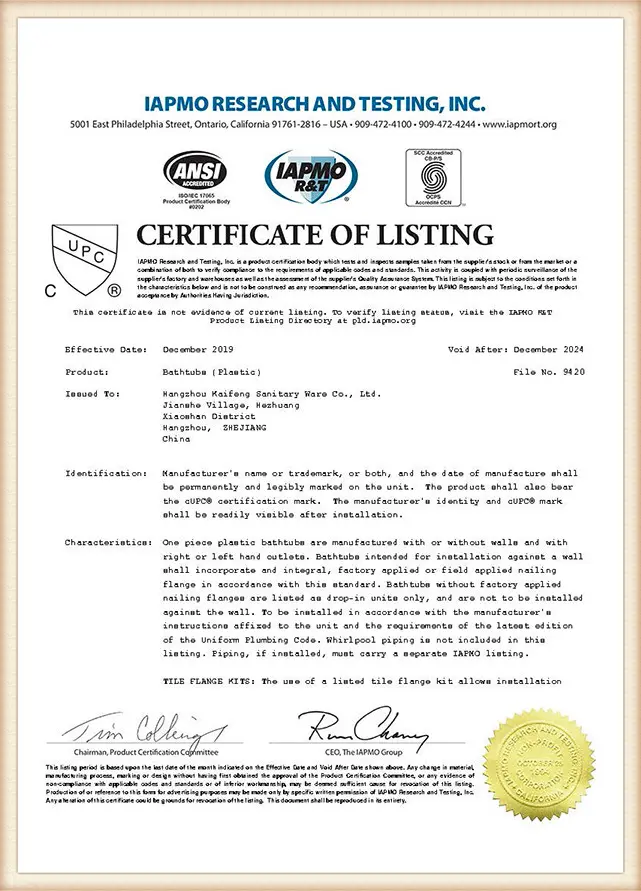
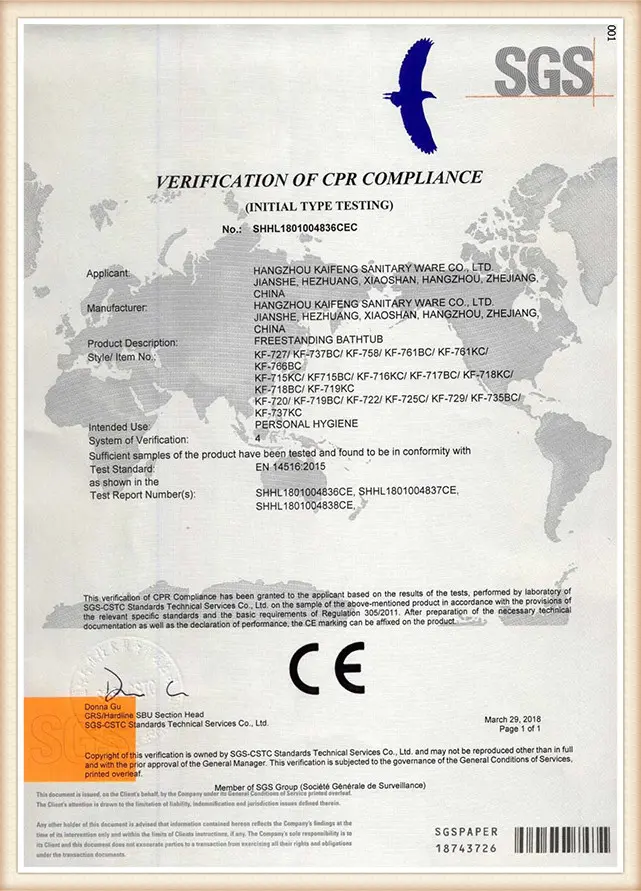
 Kaifeng