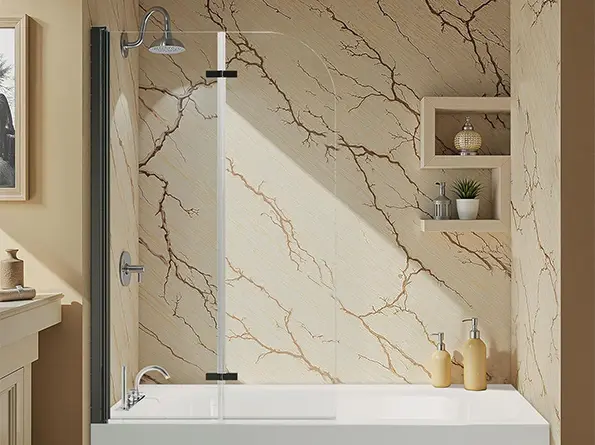
Custom Frameless Door Glass Manufacturer & Manufacturers

Premium Architectural Custom Tempered Glass & High-End Sanitary Solutions for Global Procurement and Modern Engineering Projects

1. Global Commercial and Industrial Landscape of Frameless Door Glass

In modern architectural design, frameless door glass systems represent the pinnacle of minimalist aesthetics, visual continuity, and high structural efficiency. Traditionally, architectural partitions relied heavily on metal framing to bear the load and isolate structural tolerances. However, over the past decade, rapid advancements in glass processing technology—specifically thermal toughening, chemical tempering, and precise edge finishing—have facilitated the use of self-supporting glass elements. This evolution has eliminated bulky perimeter configurations in upscale hotels, luxury corporate spaces, and residential wet-rooms alike.

The global market for frameless glass continues to grow at a significant compound annual rate (CAGR), driven by the demand for unobstructed viewpoints and high-end modern interiors. Glass manufacturers must adapt to stringent international compliance frameworks, including the American Standard for Architectural Glazing Materials (ANSI Z97.1) and European Standards (EN 12150). These standards dictate fragmentation patterns and mechanical integrity during breakage, guaranteeing that modern visual minimalist solutions do not compromise occupant safety.

Note on Engineering Integration: Proper architectural integration of frameless systems requires accurate hardware planning. Modern designs incorporate high-tensile patch fittings, overhead concealed closers, and structural silicone jointing to maintain stability without relying on standard outer framing.

High Structural Safety

Monolithic tempered glass or laminated safety glass configurations designed to withstand impact without shattering into dangerous shards.

Minimalist Design

Eliminates thick aluminum or steel framing profiles to increase light transmittance, maximizing transparency and modern visual appeal.

Corrosion & Wear Resistance

Combining heavy tempered glass with stainless steel hardware ensures long-term durability in high-humidity bathroom configurations.

2. Advanced Edge Geometry & Technical Specifications

A primary factor distinguishing premium custom frameless glass manufacturers from standard suppliers is the precision of edge profiling and geometric customization. For frameless installations to sit flush with walls and neighboring glass panels, dimensional tolerances must be strictly controlled, often to within ±0.5mm. Out-of-plumb walls require custom glass panels cut at exact angles, which demands advanced CNC plotting and waterjet cutting technology.

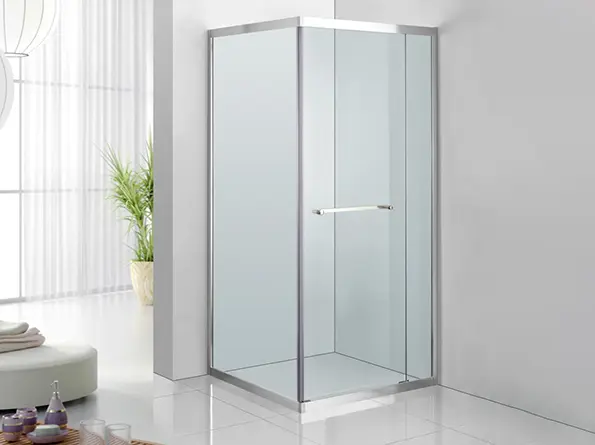
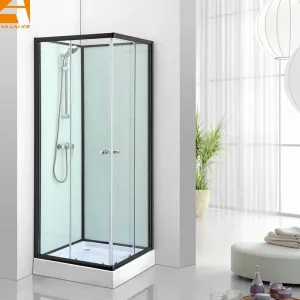
Additionally, the edge treatment of the glass plays a critical role in preventing spontaneous thermal stress fractures. Unfinished glass edges feature micro-fissures that can propagate under thermal expansion or structural pressure. Top-tier manufacturers utilize state-of-the-art double-edger machines to generate high-polish flat profiles, pencil edges, or mitered profiles. Mitered joints are particularly valuable for frameless corner enclosures, enabling stable 45-degree butt-joints that can be seamlessly bonded with clear structural silicone, removing the need for plastic corner gaskets.

Glass Configuration Recommended Thickness Standard Certifications Primary Industrial Use Cases
Monolithic Tempered Clear Glass 8mm / 10mm / 12mm EN 12150, ANSI Z97.1 Residential Shower Enclosures, Office Partitions
Low-Iron (Ultra-Clear) Glass 10mm / 12mm ASTM C1036, SGCC Luxury Retail Storefronts, High-End Hotel Suites
Laminated Tempered Safety Glass 6mm + 1.52 PVB + 6mm ISO 12543, CE, SGCC Balustrades, Structural Glass Doors, Skylights
Easy-Clean Hydrophobic Coated Glass 8mm / 10mm Factory Nano-Coating Premium Sanitary Shower Enclosures, Wet Rooms

Corporate Profile: Hangzhou Kaifeng Sanitary Ware Co., Ltd.

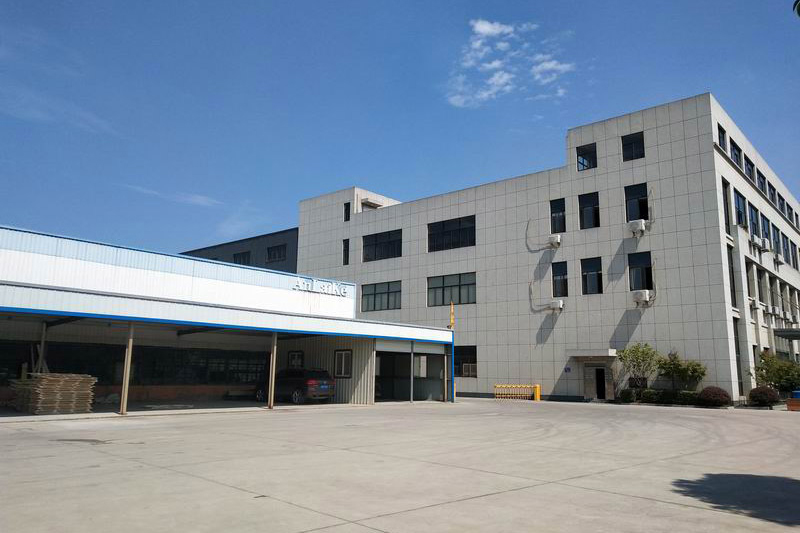
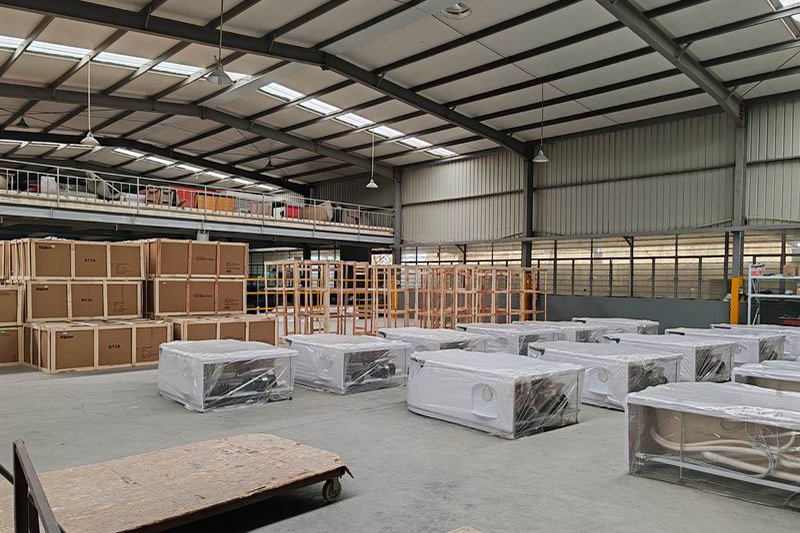
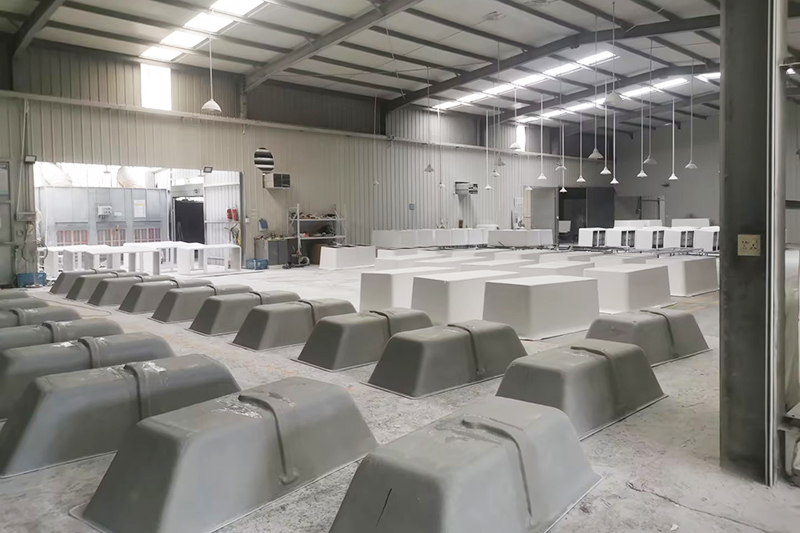
Established in 2005, Hangzhou Kaifeng Sanitary Ware Co., Ltd. has grown to become a premier manufacturing powerhouse of high-performance bathroom equipment and custom glass shower systems. Located in Hangzhou's Xiaoshan District, the company operates a specialized 20,000-square-meter manufacturing facility, combining state-of-the-art glass tempering and sanitization system design to deliver world-class solutions.

Over two decades of production experience, we have developed a robust footprint across more than 50 countries, positioning Kaifeng as a preferred supplier for complex commercial construction, distribution networks, and hotel development projects in North America, Europe, South America, and the Middle East. Under the ISO 9001:2000 quality management system, every product undergoes strict inspection, from raw material procurement to final impact and leak testing.

Hangzhou Kaifeng Sanitary Ware Factory Facility

20+

Years Industry Experience

20,000㎡

Modern Production Space

80%+

Export to US, EU, Middle East

10M+ USD

Annual Sales Revenue

Production Excellence and Machinery

Advanced Production & Supply Efficiencies

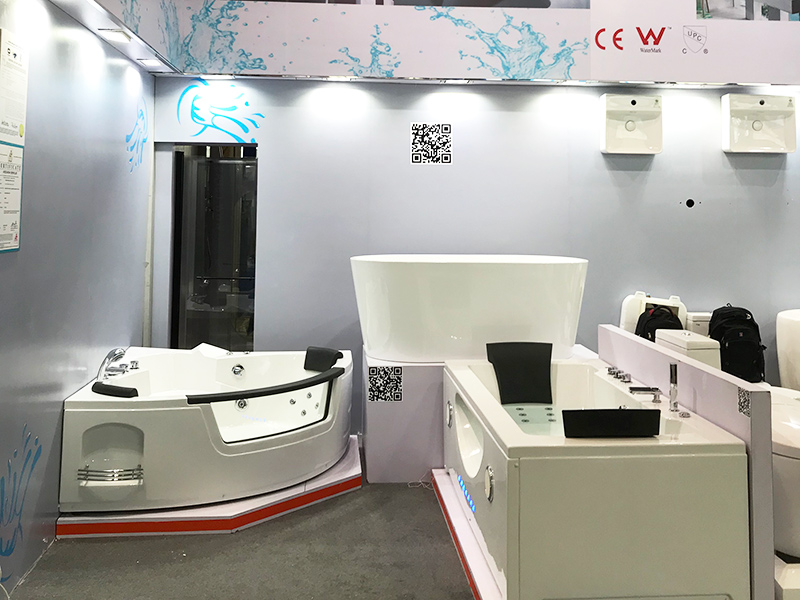
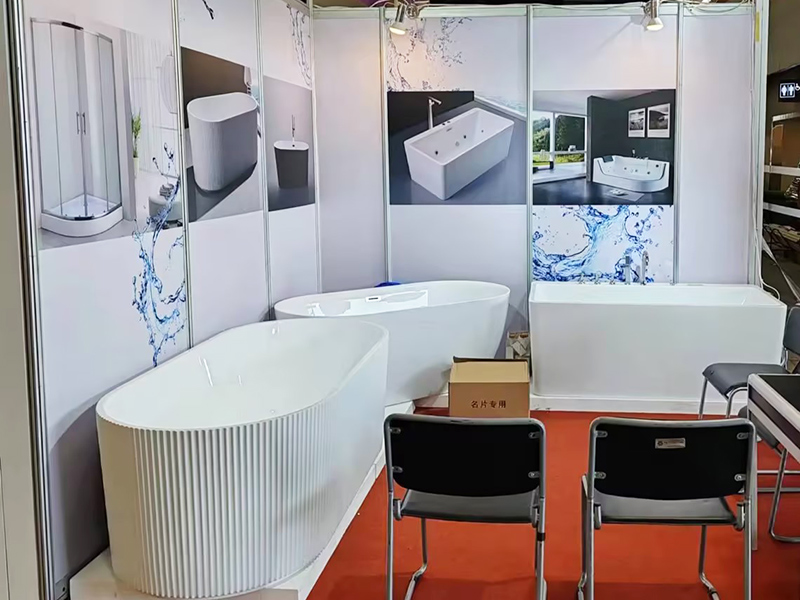
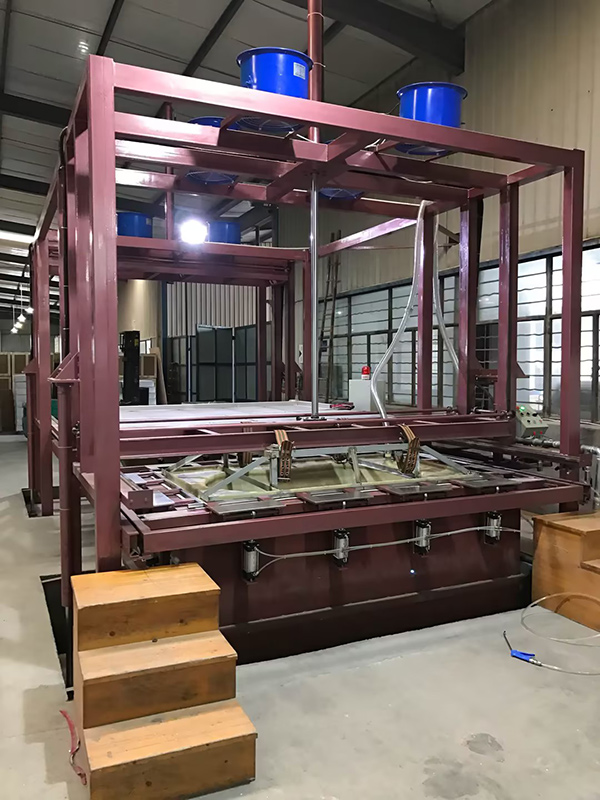
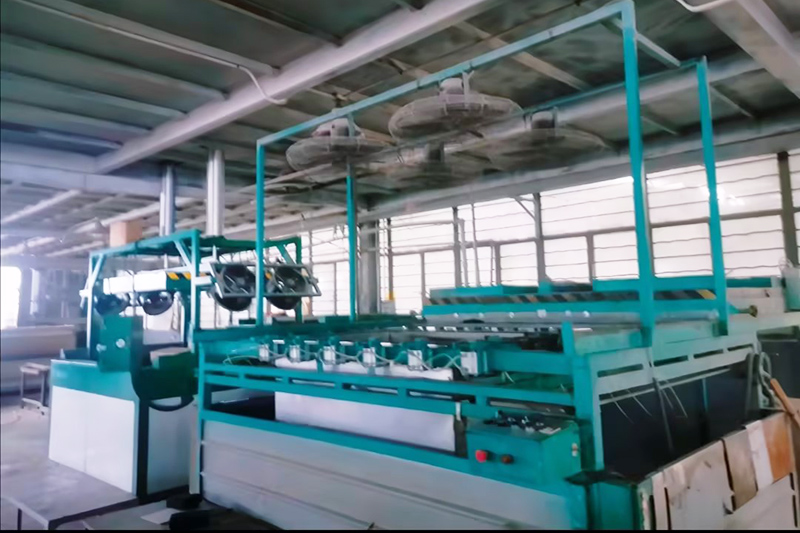
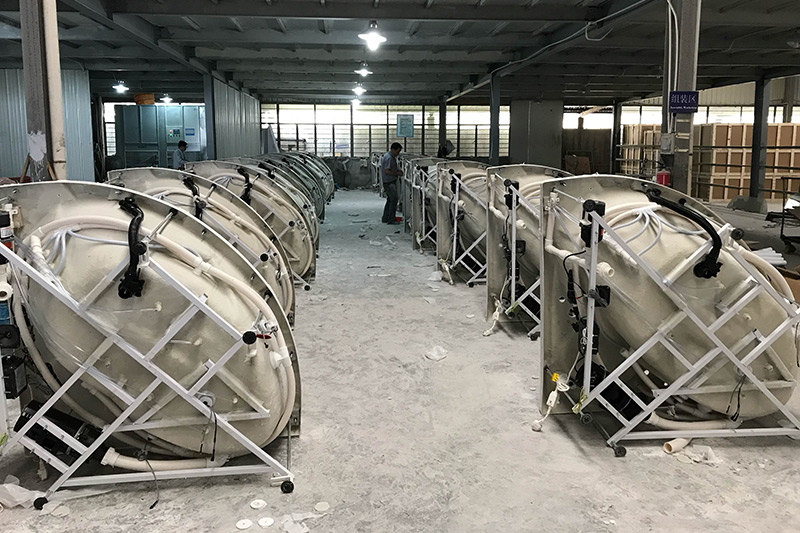
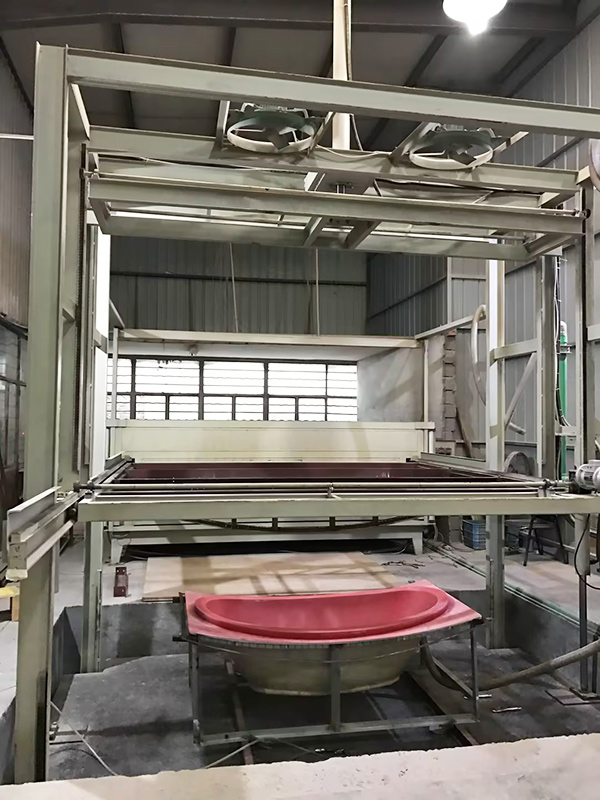
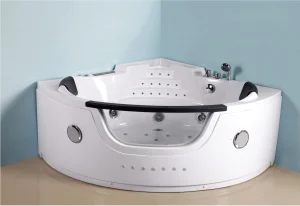
By integrating automated tempering lines with high-speed CNC cutting tables and precise glass polishing machines, our monthly output reaches 1,500 premium bathtubs, 1,500 shower enclosures, and 2,000 modular shower panels. Additionally, the factory produces and exports approximately 36,000 freestanding bathtubs, 6,000 luxury whirlpool massage tubs, and 60,000 full shower enclosures on an annual basis, demonstrating our capability to fulfill large-scale commercial contracts efficiently.

Glass processing line Precision testing area

3. Chinese Glass and Sanitary Ware Manufacturing: Efficiency Advantages

The global dominance of Chinese manufacturers in the custom glass and sanitary ware sectors is rooted in unique logistical, supply chain, and production efficiencies. Key factors that make Chinese manufacturing facilities competitive partners for global projects include:

  • Integrated Supply Chain Ecosystem: The proximity of our facility in Xiaoshan, Hangzhou, to major domestic raw material providers (high-grade silica, raw float glass sheets, specialized PVC/PVB films, and solid brass or 304/316 stainless steel components) reduces internal transport times and material costs.
  • Advanced Automation: Standardizing operations on robotic glass polishing networks, computerized CNC glass cutting beds, and automated tempering ovens increases structural precision while minimizing labor-related defects.
  • Economies of Scale: High-volume production lines reduce overhead per unit. This enables custom frameless doors to be manufactured with competitive cost-efficiency, even under bespoke specifications.
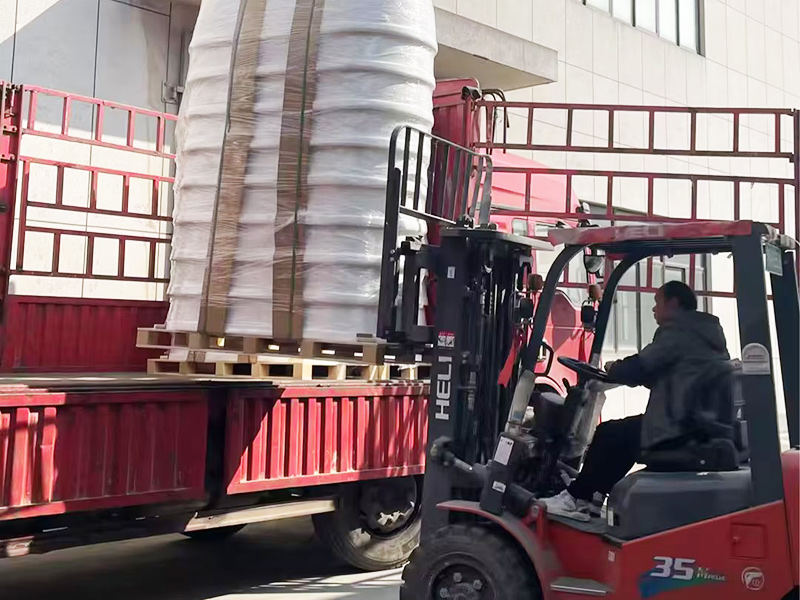
  • Seamless Port Access: With direct proximity to Shanghai and Ningbo ports, shipping routes are optimized for fast export. This ensures reliable container transport to international distribution hubs in the USA, Europe, and Australia.
Tempering Furnace
Polished Glass Profile
CNC Drilled Holes
Quality Control Check

4. Localized Application Scenarios: Tailoring Glass Designs

Different markets present distinct construction styles, building codes, and aesthetic preferences. A reliable custom glass manufacturer must offer customizable options to suit these localized requirements:

North American Style: Solid Hardware & Heavy Tempered Glass

In the United States and Canada, heavy monolithic glass panels of 10mm (3/8") and 12mm (1/2") are standard for premium frameless installations. Hardware is typically specified in high-grade 304 stainless steel or solid brass to support these loads. The preferred aesthetics lean toward matte black, brushed gold, and satin nickel finishes, with a strong focus on certification standards such as the SGCC (Safety Glazing Certification Council) or CUPC.

European Market: Subtle Elegance & Advanced Coatings

European design often prioritizes clean, minimalist lines with slightly thinner glass configurations (typically 8mm or 10mm) to reduce visual impact. There is high demand for switchable smart glass and low-iron glass, along with factory-applied easy-clean hydrophobic coatings that prevent limescale accumulation. Compliance with CE EN 12150 is essential for these markets.

Middle East & East Asia: High Thermal Stability & Complex Configurations

Hot, humid conditions require glass and sanitary hardware that resist corrosion and thermal shock. Frameless enclosures must feature UV-stabilized clear PVC sweeps and high-performance sanitary silicone to prevent yellowing and degradation over time. Custom-shaped multi-angle glass enclosures are frequently requested for luxury high-rise developments in these regions.

5. Global Procurement Demands: What Enterprise Buyers Require

Commercial buyers, architectural specifiers, and global sanitary brands prioritize supplier reliability and compliance when source-matching glass fabricators. Essential criteria for vendor qualification include:

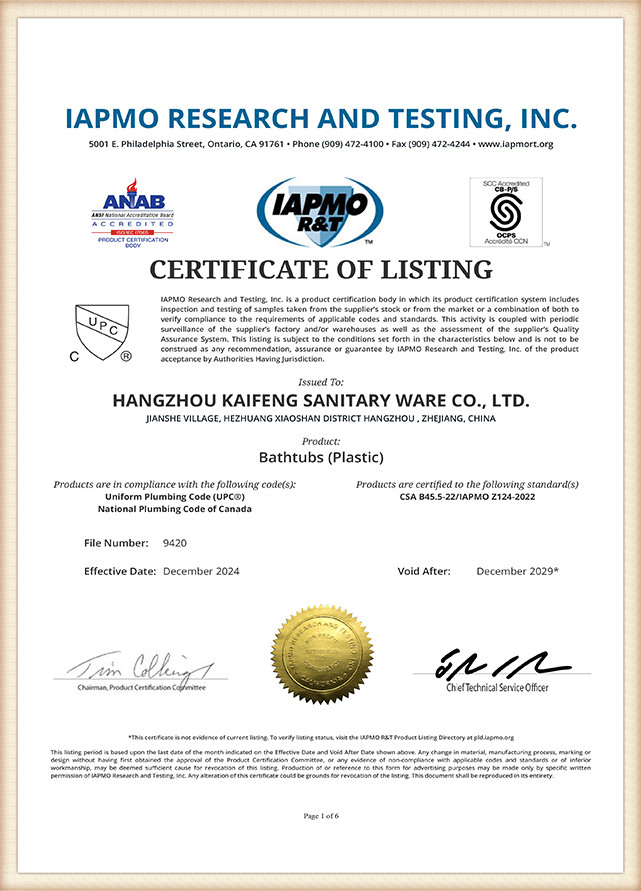
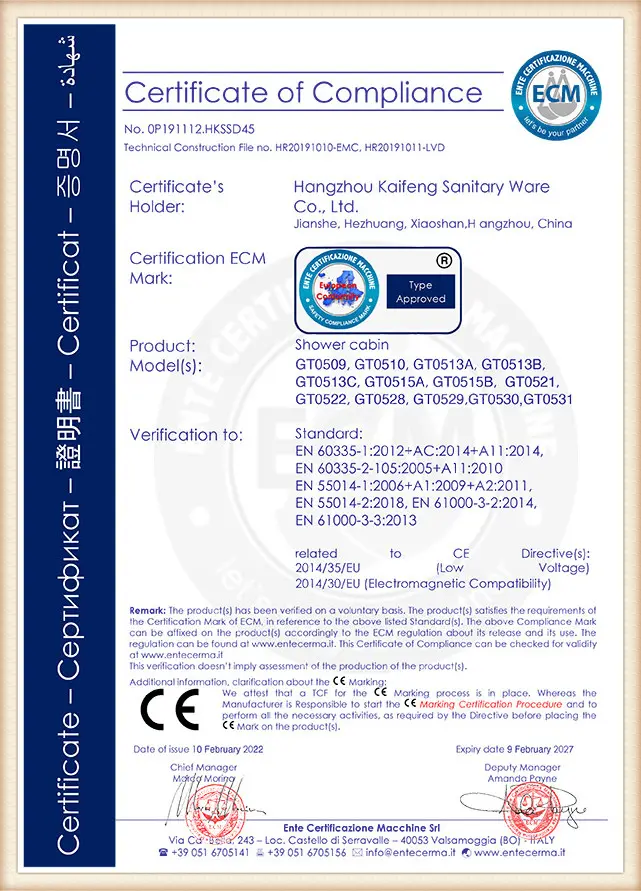
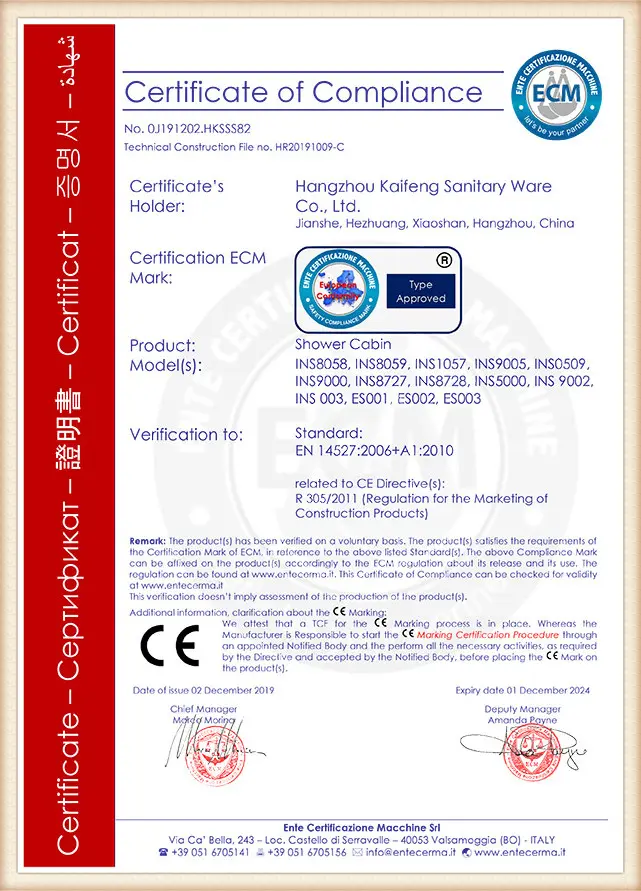
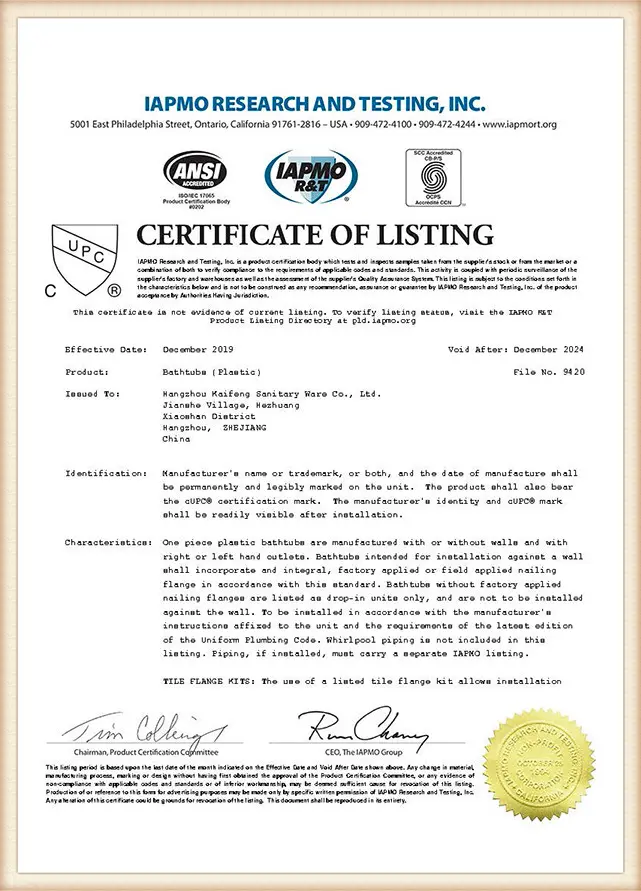
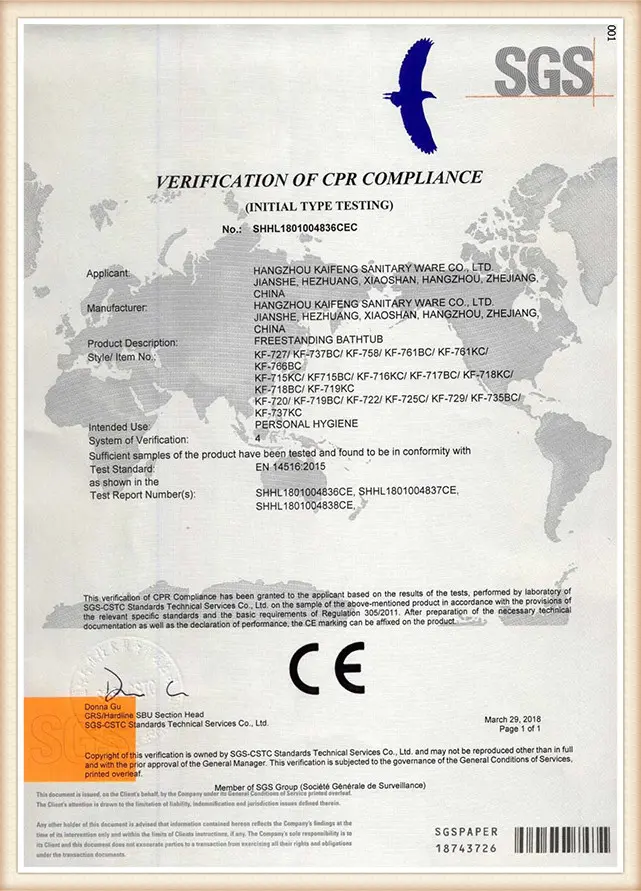
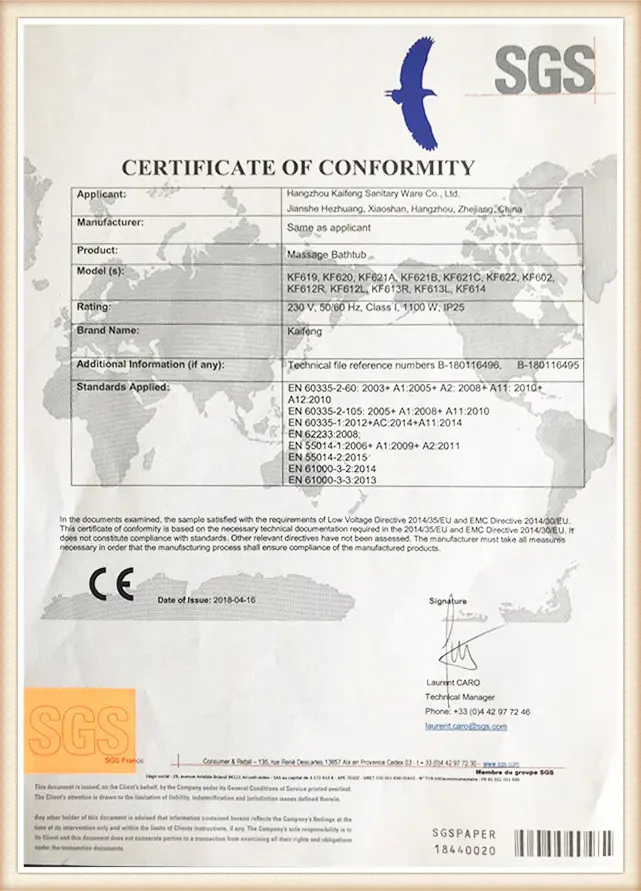
  • Consistent Testing and Certification: Procurement agencies require verifiable test documents showing compliance with SGCC (North America), CE EN 12150 (Europe), and ISO 9001 (Global).
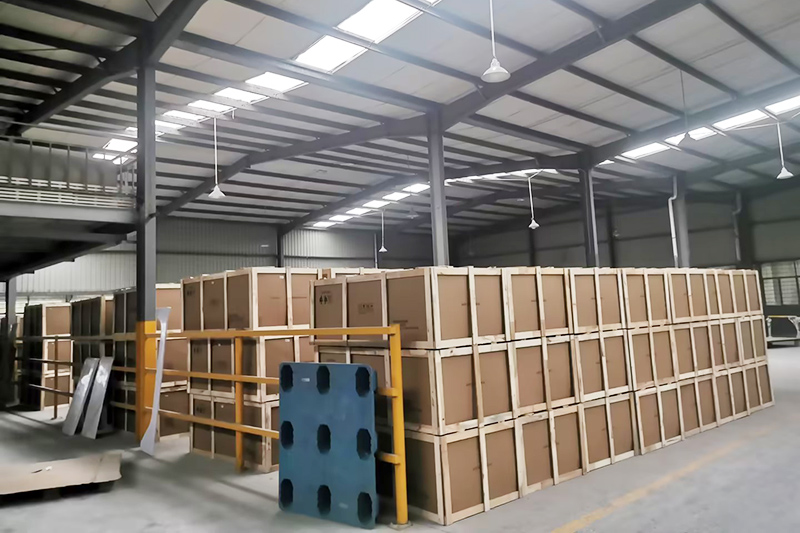
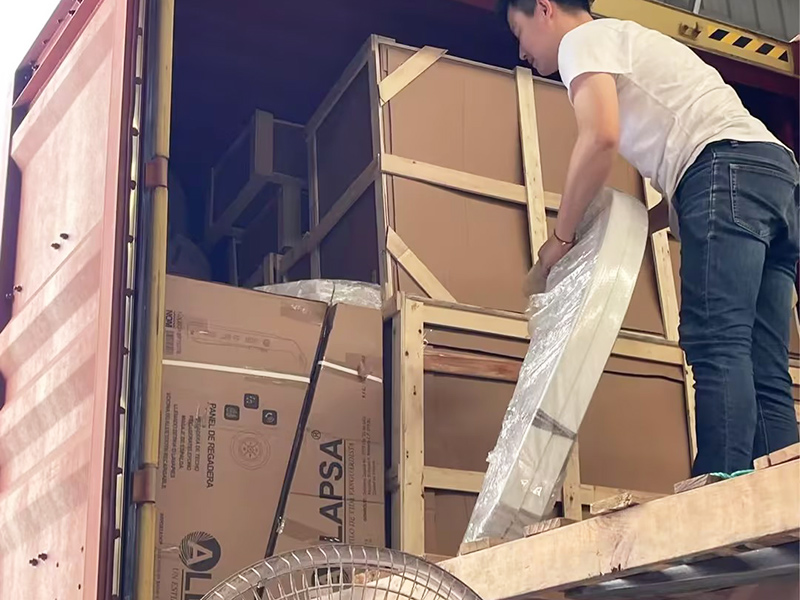
  • Packaging and Transport Security: Since heavy glass is inherently fragile, it must be shipped in custom heavy-duty plywood crates with shock-absorbent cork pads and desiccants. This minimizes the risk of edge chipping or shipping damage during sea transit.
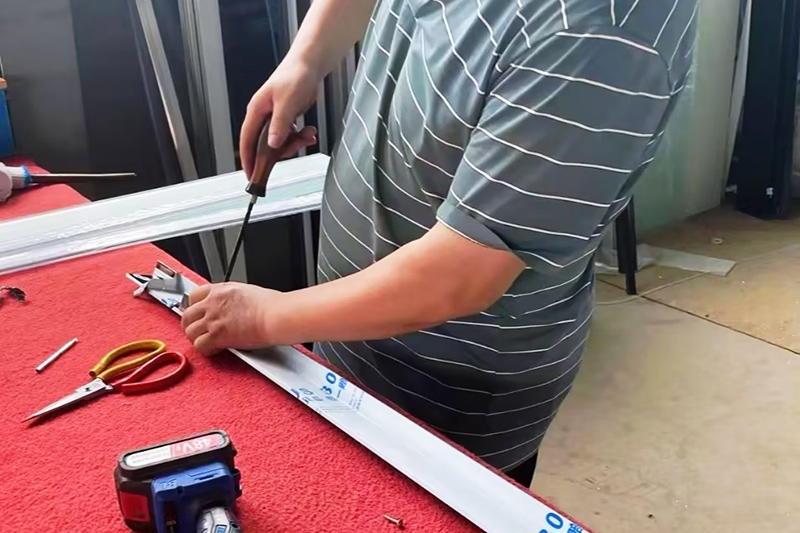
  • Flexible OEM/ODM Capabilities: Projects often require custom glass cutouts for patch fittings, handles, and hinge channels. Suppliers must offer precision drilling and polishing services based on CAD or BIM files.
  • Reliable Lead Times and Batch Traceability: Ensuring on-time delivery is crucial to avoid delays in large-scale residential and commercial builds. Quality systems should track raw float glass batches through to the final tempered product.
ISO 9001 Compliance Certificate CE Standard EN 12150 Certificate SGCC Safety Glazing Certificate CUPC Bathware Certification Product Performance Guarantee Document

Browse Sanitary Design Collections

Select your target category to view corresponding technical data sheets and custom configurations.

All Collections

All Designs

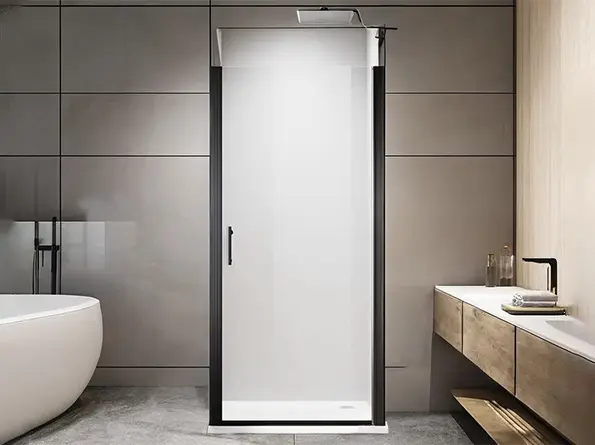
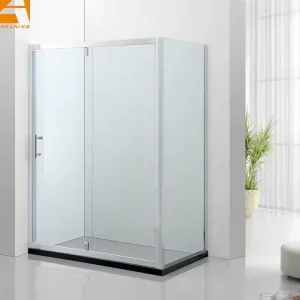
Sliding Shower Doors

Sliding Doors

Hinged Shower Doors

Hinged Doors

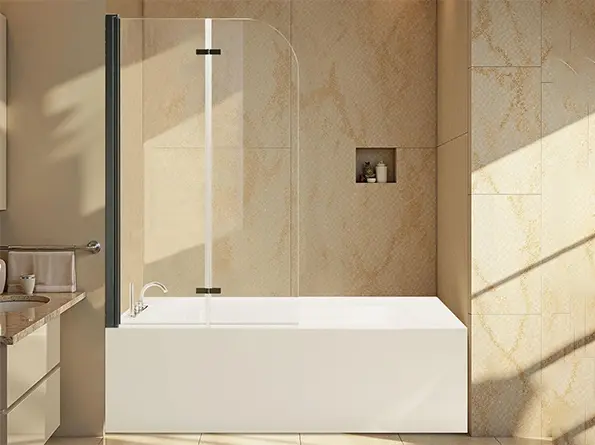
Folding Shower Screen

Folding Screen

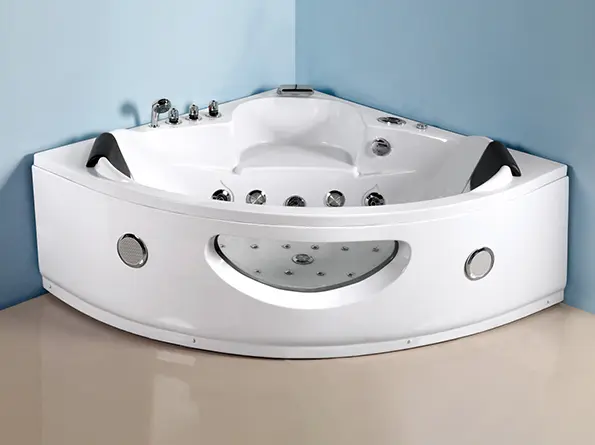
Massage & Whirlpool Bathtub

Massage Tubs

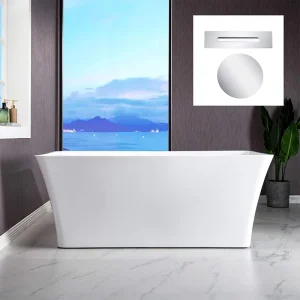
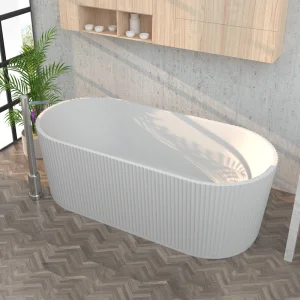
Acrylic Freestanding Bathtub

Freestanding

6. Future Trends in Custom Frameless Glass Manufacturing

The frameless glass industry is evolving beyond transparency and safety, with focus shifting to advanced functionality, energy efficiency, and high sustainability. The primary trends defining the next generation of architectural glass systems include:

Electrochromic & Switchable Smart Glass

PDLC (Polymer Dispersed Liquid Crystal) films laminated between tempered glass sheets allow users to instantly toggle between clear and frosted states via electrical activation. This technology is increasingly utilized for conference rooms, hotel partitions, and residential shower enclosures, combining open visual design with on-demand privacy.

Advanced Hydrophobic Nano-Coatings

Hydrophobic surface sealants alter the microscopic surface structure of glass, causing water to form beads and slide off easily. This significantly reduces mineral deposits, soap scum buildup, and water spots, making maintenance easier and eliminating the need for aggressive cleaning chemicals.

Ultra-Clear Low-Iron Glass Formulations

Standard float glass contains trace amounts of iron oxide, which produces a noticeable green tint along the edges and reduces overall light transmission. Low-iron glass formulations decrease iron content, resulting in high clarity, excellent light transmission, and minimal edge coloration—crucial features for high-end retail displays and luxury glass facades.

Sustainable Manufacturing Processes

Industrial glass tempering requires significant thermal energy. Modern manufacturers are addressing this by integrating solar energy systems, energy-efficient convection furnaces, and circular water systems for CNC cooling and grinding. This reduces the overall carbon footprint of architectural and sanitary products.

Request Technical Specifications & Wholesale Pricing

Submit your email to receive our comprehensive catalog, price list, and technical drawings. We reply within 24 hours.

Frequently Asked Questions (FAQ)

Answers to common technical, logistics, and procurement questions for international commercial buyers.

What glass thickness options are available for custom frameless installations?

We offer standard thicknesses of 8mm (5/16"), 10mm (3/8"), and 12mm (1/2") for monolithic tempered safety glass. For structural partitions and heavy-duty commercial applications, we can supply laminated safety glass configurations such as 6mm+1.52PVB+6mm or 8mm+1.52PVB+8mm.

What international safety certifications does your glass meet?

Our architectural and shower glass products comply with several key safety standards, including SGCC (Safety Glazing Certification Council) certification for the North American market, CE EN 12150-1 for Europe, and AS/NZS 2208 for Australia and New Zealand. Certified test reports can be provided with every bulk shipment.

Can you customize hardware cutouts, holes, and hinges?

Yes. All custom glass fabrication—including waterjet cutout detailing, hinge preparation, handle drilling, and mitered joints—is performed in-house prior to the tempering process. Buyers must provide CAD or BIM drawings to ensure exact alignment with their hardware specifications.

What is the typical lead time for custom container orders?

For standard FCL (Full Container Load) orders, our typical lead time ranges from 30 to 35 days from order confirmation and drawing approval. Custom-laminated or specialized switchable smart glass configurations may extend lead times by 7 to 10 working days.

How do you prevent breakage during international transit?

We package all glass shipments in heavy-duty, fumigated plywood crates with integrated steel banding. Each sheet is separated by cork spacers or protective film to prevent friction, and desiccants are included to manage humidity. Every shipment is fully insured for transit safety.

What are the benefits of Easy-Clean coating on frameless glass?

Our factory-applied hydrophobic nano-coating chemically bonds with the silica substrate. This creates a surface that repels water, oils, and minerals. It reduces maintenance requirements by up to 90%, protects against corrosion, and extends the service life of the installation.

Do you accommodate custom sizes for odd-angled spaces?

Yes. Our CNC glass cutting lines can accommodate irregular shapes, raked edges, and out-of-plumb cuts. These custom shapes are typical for under-stairs installations, sloped ceilings, and historical renovations.