Engineered for architectural integration, low friction operations, and optimized modern bathroom design standards.
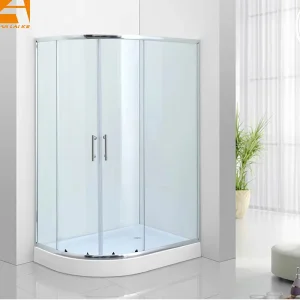
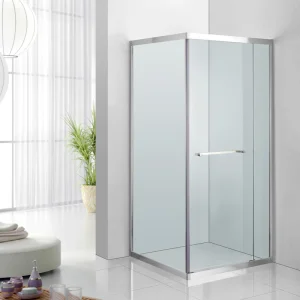
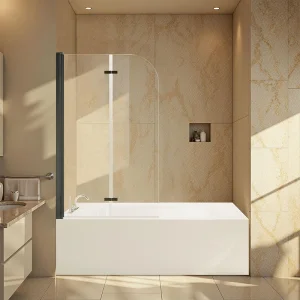
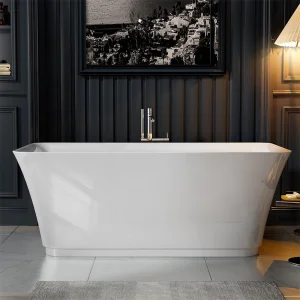
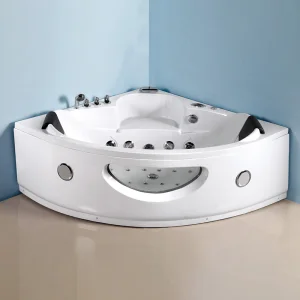
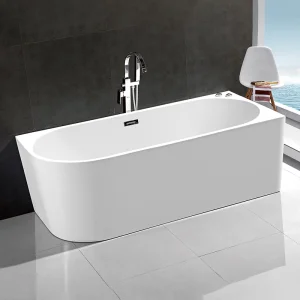
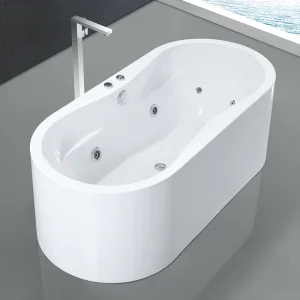
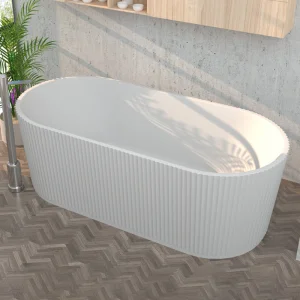
An analysis of structural loads, design minimalism, and safety standard integration in premium commercial and residential projects.
In contemporary spatial design, the transition from traditional framed structures to frameless sliding door systems represents a significant leap in both architectural aesthetics and structural engineering. Historically, spatial layouts relied on heavy metal contours to guide glass partitions. Modern engineering, pioneered by manufacturers like Hangzhou Kaifeng Sanitary Ware Co., Ltd., has made structural integrity possible without external visual profiles, realizing the concept of clean visual continuity.
From a technical standpoint, frameless sliding doors rely on tempered glass thickness (typically ranging from 8mm to 12mm) to serve as a load-bearing material. Precision CNC polishing and water-jet drilling are used to install rollers directly to the glass substrate. This design requires strict glass flateness and minimal warp tolerances. Eliminating frames increases structural safety margins: glass must distribute loads uniformly to avoid point load concentrations, preventing spontaneous breakage.
Architects value these configurations for their ability to maximize natural light and maintain visibility. In high-density urban environments, frameless sliding assemblies act as dynamic space dividers that partition rooms without disrupting visual flows, improving daylight transmission and occupant comfort.
Analyzing regional demand, building codes, and hardware material standards across continents.
The North American market requires strict adherence to SGCC (Safety Glass Certification Council) and ANSI Z97.1 standards. Builders look for low-friction rollers with corrosion-resistant finishes (like PVD physical vapor deposition) that stand up to coastal humidity and high-frequency use in hospitality projects.
European buyers prioritize CE certifications (EN 12150-1 for thermally toughened soda lime silicate safety glass). Specifications require zero-tolerance soft-closing mechanisms, sound isolation, and minimalist hardware integrated within low-profile bottom guides to keep spaces feeling open.
Projects in the GCC region require hardware that resists sand, dust, and coastal moisture. High-grade SUS304 or SUS316 stainless steel structures are the standard for premium sliding installations in luxury properties in Dubai, Doha, and Riyadh.
How our integrated factory ecosystem delivers quality control, high volume production, and customization options.
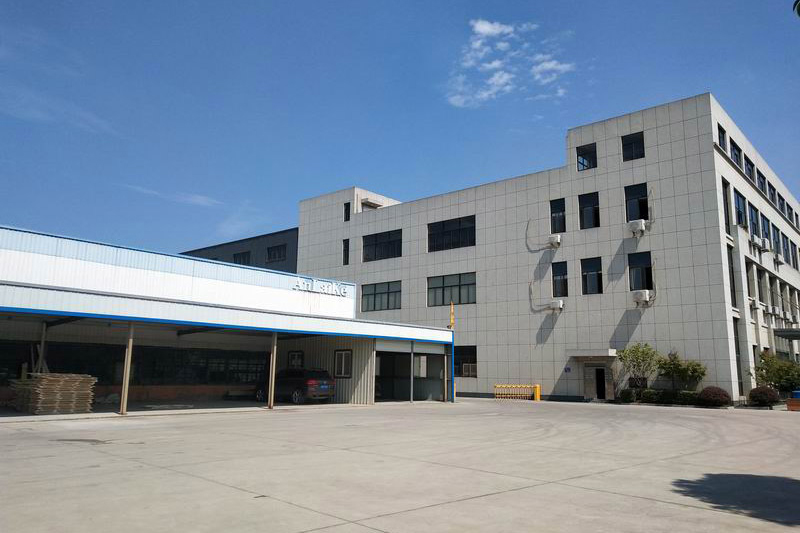
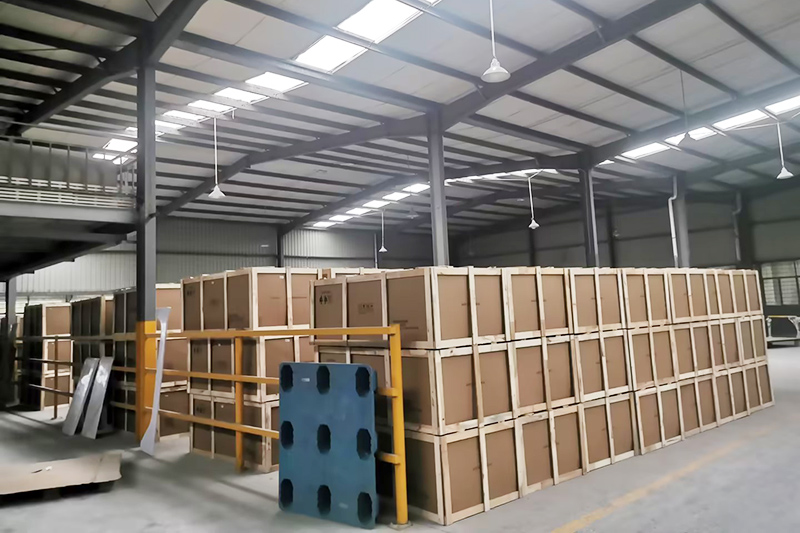
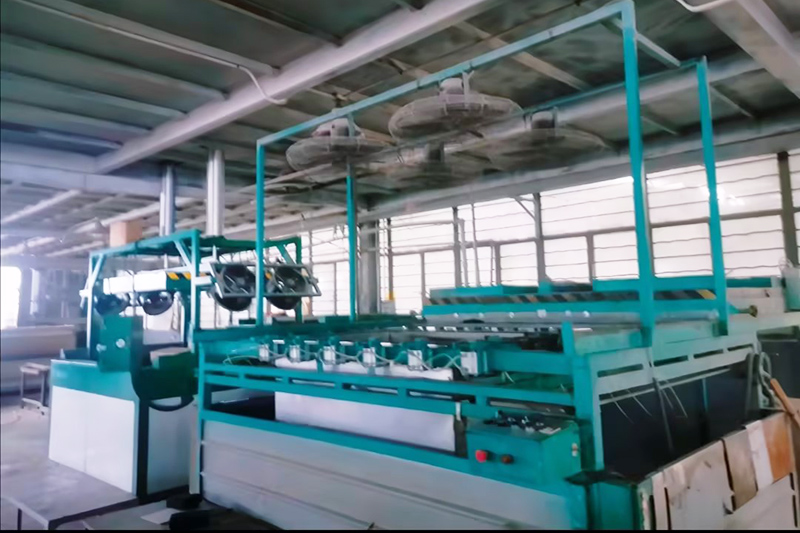
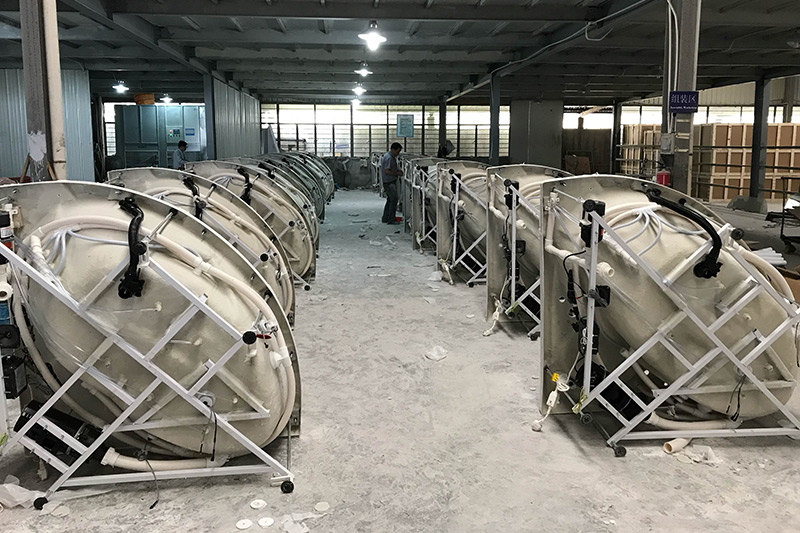
Located in Hangzhou's Xiaoshan District, Hangzhou Kaifeng Sanitary Ware Co., Ltd. has established an integrated supply chain that manages raw materials, glass tempering, hardware manufacturing, and logistics. Our facility spans 20,000 square meters and produces 1,500 bathtubs, 1,500 shower rooms, and 2,000 shower panels monthly, exporting our range to high-standard markets in North America and Western Europe.
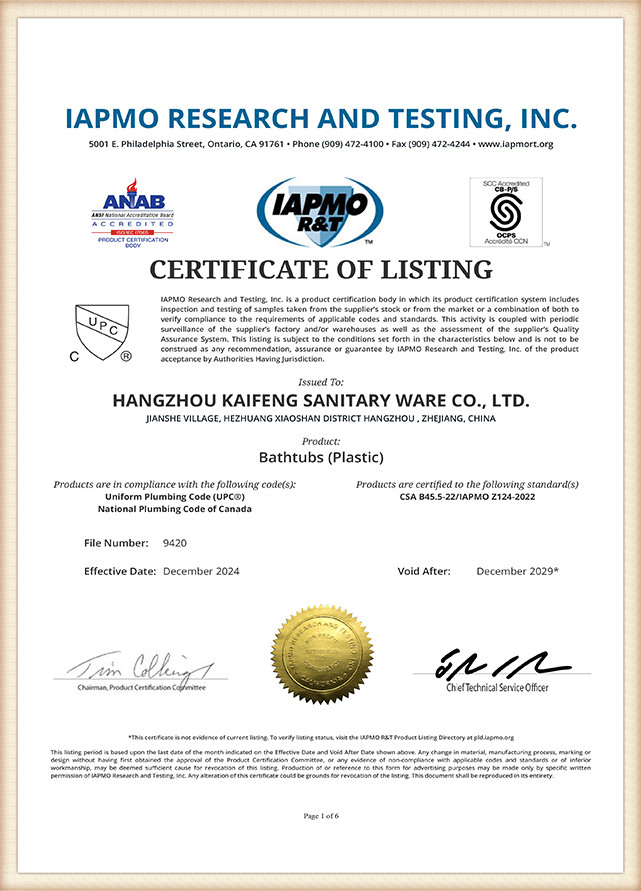
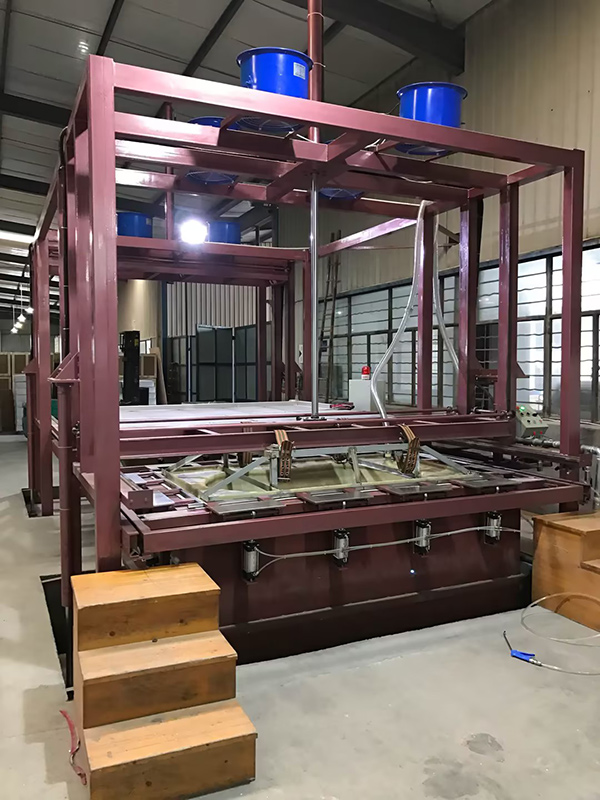
Our quality system is ISO 9001:2000 certified. We manage every step of production, from glass cutting to tempering and hardware verification. For our custom frameless sliding doors, we use double-action edgers to polish glass margins, helping to prevent stress-induced micro-fractures. Our CNC centers drill the required holes with tolerances within +/- 0.5mm, ensuring our sliding rollers fit securely.
Additionally, we collaborate with float glass suppliers, sourcing premium low-iron and ultra-clear structural glass. This ensures our frameless systems remain transparent, avoiding the green hue found in lower-grade glass panels.
To resist corrosion, our metal hardware is made from SUS304 stainless steel or 6063-T5 structural aluminum. We verify hardware performance through automated salt spray testing and cycle tests (simulating up to 100,000 opening and closing actions). This ensures smooth operation for commercial installations, high-end hotels, and multi-family residential developments.
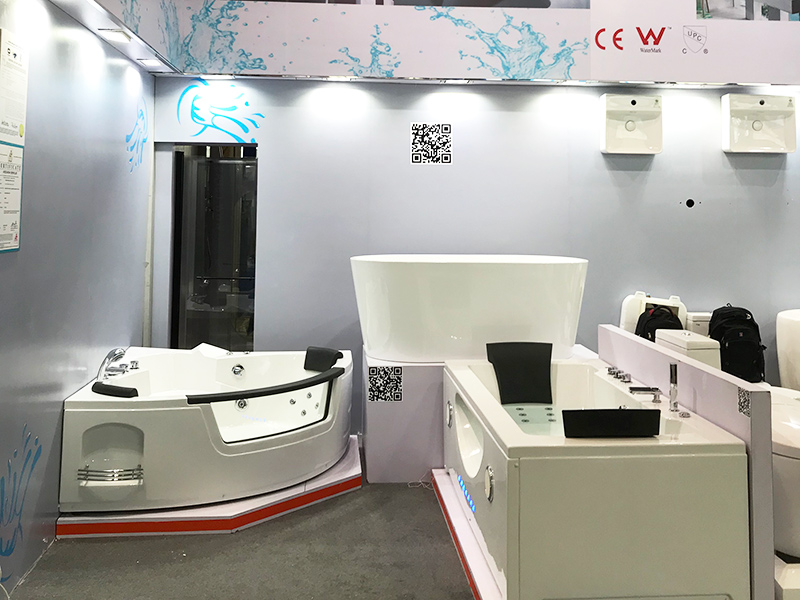
By showcasing our products at major events like the Canton Fair, IBS (USA), and The Big 5 (Middle East), we stay connected to international building codes and design trends. This allows us to adjust our manufacturing processes to meet changing global demands.
Supply chain clustering, scale efficiencies, and customized design installations for architectural projects.
The efficiency of manufacturing in China, particularly in the Zhejiang industrial region, is driven by regional supply chain clusters. In Hangzhou, we source hardware, seals, glass panels, and packing materials locally. This clustering minimizes internal logistics times and allows us to adapt production lines quickly to accommodate design modifications.
For hotels, space optimization is key to design layouts. Frameless sliding doors create transparent boundaries between rooms and bathrooms, maximizing natural light. Our custom acoustic seals help isolate sound, improving guest comfort in compact floorplans.
Real estate developers require consistent sizing, quick installation, and long-term hardware durability. Hangzhou Kaifeng provides pre-packaged sliding assemblies with pre-drilled glass and clear installation manuals, helping to reduce field labor costs during construction.
In commercial spaces, frameless sliding panels function as flexible room dividers. By combining our sliding hardware with privacy glass or smart glass options, offices can adapt rooms from open collaboration areas to private meeting spaces.
Important parameters to evaluate when sourcing architectural glass assemblies at scale.
Purchasing managers and builders must balance safety requirements, price, and logistics when choosing a manufacturing partner. Sourcing products globally requires an understanding of structural glass specifications:
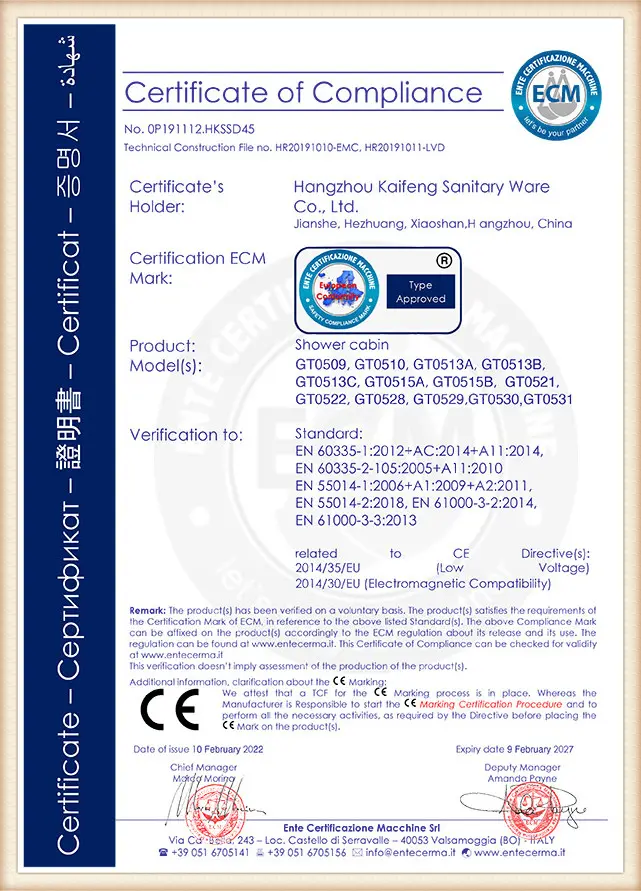
International test certifications, manufacturing standards, and trade verification.
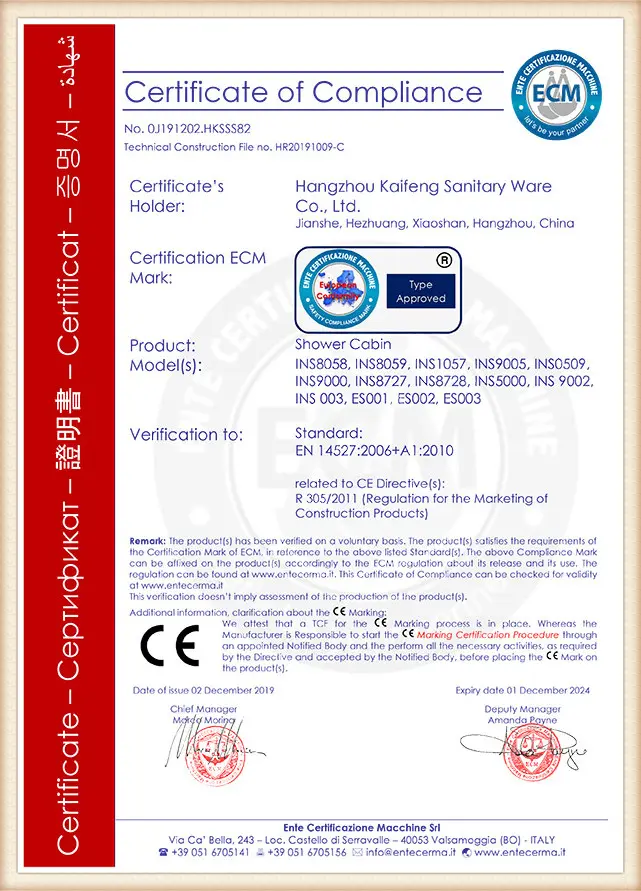
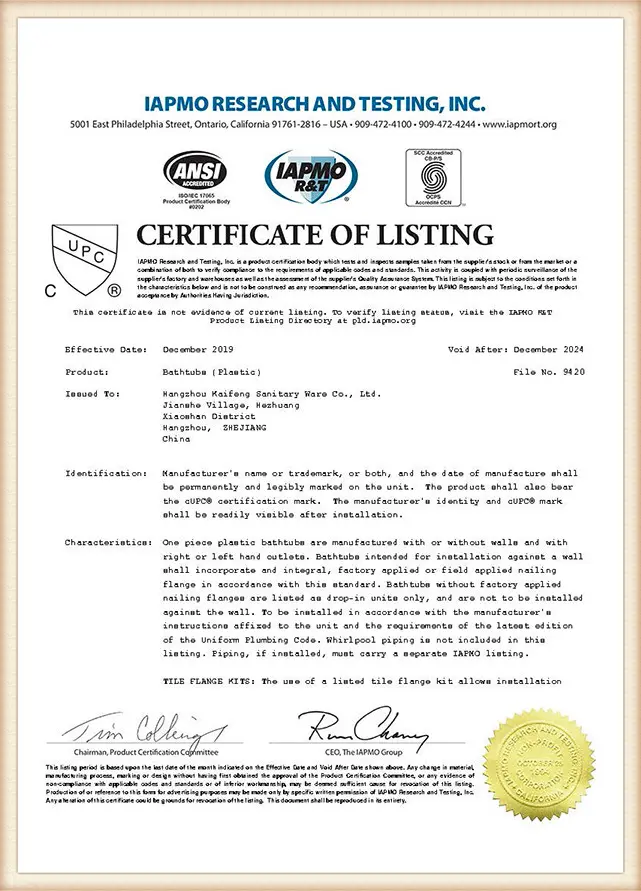
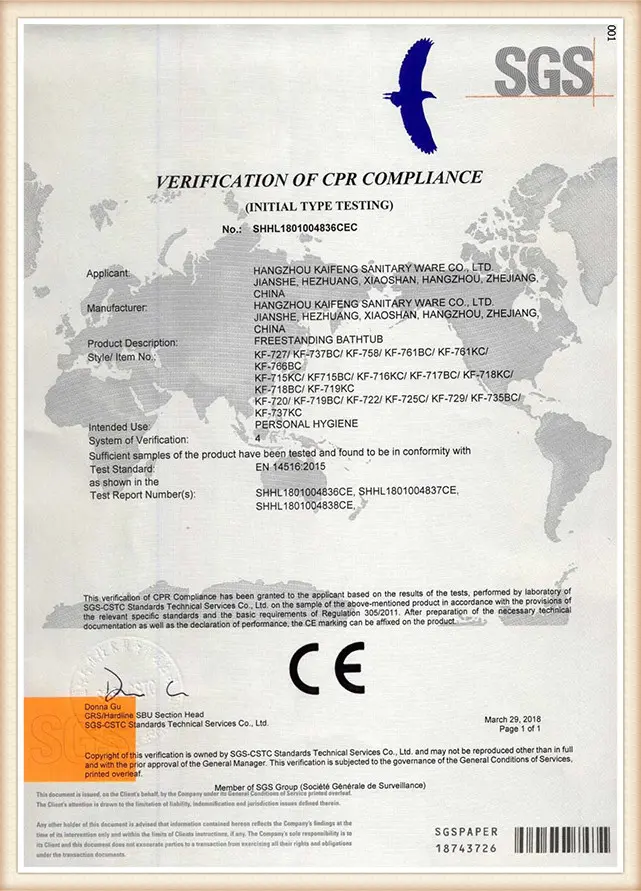
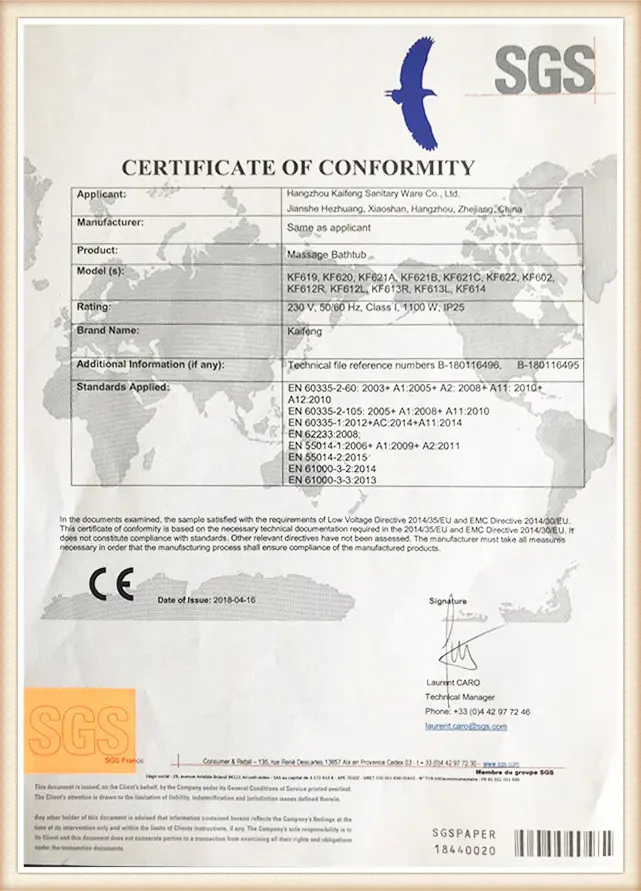
Answers to common technical, commercial, and logistical questions from architects and global sourcing managers.
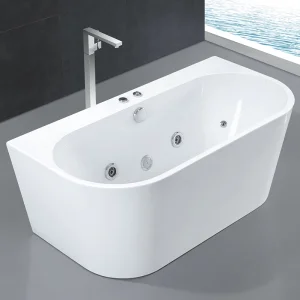
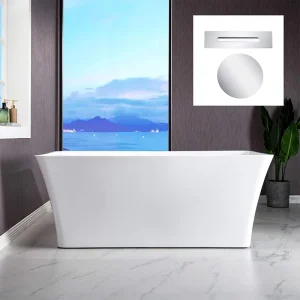
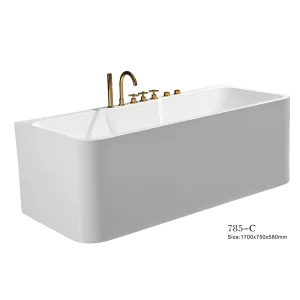
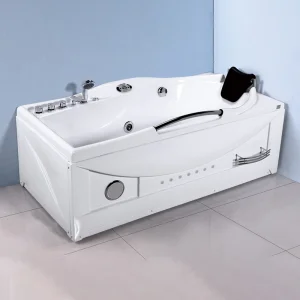
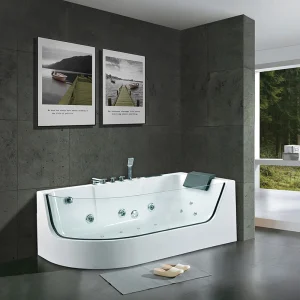
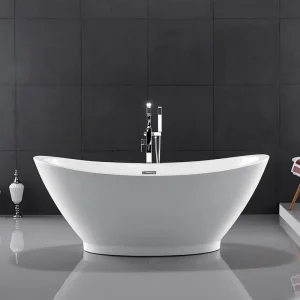
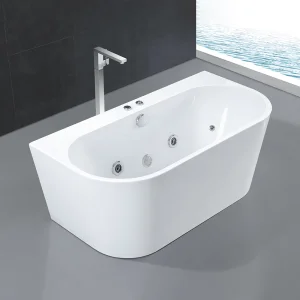
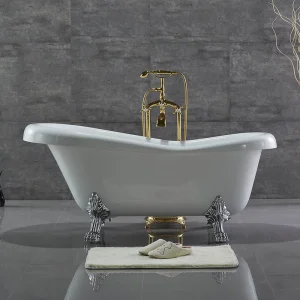
High-gloss acrylic designs, multi-functional massage bathtubs, and custom glass configurations.
 Kaifeng