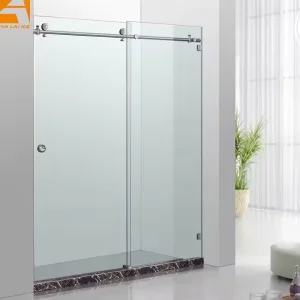
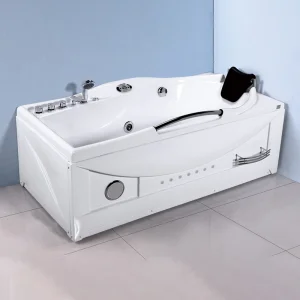
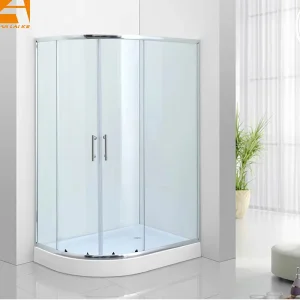
Explore our core collection of high-durability sliding, frameless, and smart massage sanitary units. Engineered under ISO 9001:2000 quality management standards, these products deliver unmatched reliability in diverse real-world architectural installations.
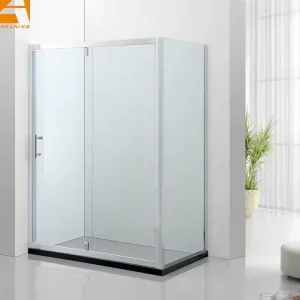
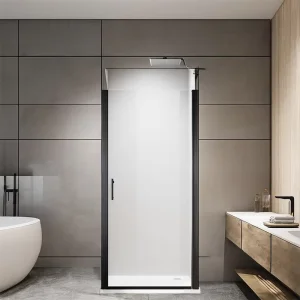
In modern interior design and architectural planning, the walk-in shower glass door represents a pivotal synthesis of aesthetic minimalism and high-performance safety engineering. Historically conceptualized as simple splash barriers, contemporary glass systems have evolved into structural engineering features requiring precise load calculations, advanced glass chemistry, and hardware durability. Commercial and residential developers worldwide are increasingly transitioning to walk-in systems due to their optimization of spatial dynamics, enhancement of natural light transmission, and significant long-term property valuation increases.
Global commercial structures—ranging from luxury hospitality suites in London to multi-family residential complexes in New York—prioritize walk-in showers as high-yield upgrades. According to recent building construction reports, frameless glass assemblies demonstrate outstanding durability when specified with architectural-grade materials. This whitepaper systematically evaluates the engineering paradigms, manufacturing criteria, and supply chain efficiencies that govern the design, custom fabrication, and international distribution of walk-in glass shower door systems.
Eliminating visual obstacles, clear tempered architectural glass visually expands confined bathroom floorplans while improving illumination paths.
Adhering strictly to international safety glass certification protocols, offering resilient impact management and fracture mitigation.
Designed for zero-barrier entryways, catering directly to senior living developments and ADA-compliant building layouts globally.
Achieving maximum clarity, stability, and load-bearing performance requires rigorous engineering at every stage. The structural performance of custom walk-in shower glass doors depends on precise glass composition, advanced tempering thermal curves, and state-of-the-art hardware configurations. Below is our manufacturing group's technical roadmap, illustrating the lifecycle of a high-performance glass door:
We utilize low-iron float glass (silica sand with minimized iron oxide content, typically less than 0.01%) to eliminate the green edge cast characteristic of standard float glass. This ensures a light transmission coefficient exceeding 91%, essential for modern, high-clarity spaces.
Raw sheets undergo automated CNC double-edging and flat polishing with cerium oxide wheels. All hinge cutouts, handle holes, and corner radii are milled via precise CNC machines prior to tempering, keeping tolerance margins within ±0.5mm.
The milled sheets are heated to approximately 620°C in a horizontal convection furnace, followed by rapid quenching with high-pressure air streams. This process creates a balanced surface compression layer of 90-110 MPa, meeting EN 12150 and ANSI Z97.1 impact standards.
An ultra-thin, cross-linking polymer coating is chemically bonded to the inner glass surface. This hydrophobic shield repels water, limescale, and organic residue, reducing routine maintenance cycles by up to 90% while preserving long-term optical clarity.
Hangzhou Kaifeng Sanitary Ware Co., Ltd. operates with 20 years of processing expertise and a highly integrated facility in Hangzhou's Xiaoshan District. Our production capacities and revenue benchmarks highlight our leadership in global sanitary ware supply chains.
The geopolitical and macroeconomic challenges of the past decade have emphasized the critical importance of supply chain resilience in construction and building materials. Hangzhou Kaifeng Sanitary Ware Co., Ltd. leverage the deep industrial integration of China's East Coast manufacturing corridors. This proximity enables us to source raw materials, premium hardware components, and custom packaging systems with minimal lead times.
While external suppliers often face logistical delays and unstable raw material pricing, our long-term partnerships with primary float-glass plants and aluminum extrusion mills ensure stable operations. We maintain a constant raw material buffer, shielding our global clients from sudden market fluctuations.
From initial glass cutting to post-tempering hardware assembly and final packaging, all core processes are completed in-house under strict ISO 9001 supervision.
Located near Ningbo and Shanghai Ports, we offer streamlined multi-modal shipping options that cut global transit times by 7 to 14 days compared to inland factories.
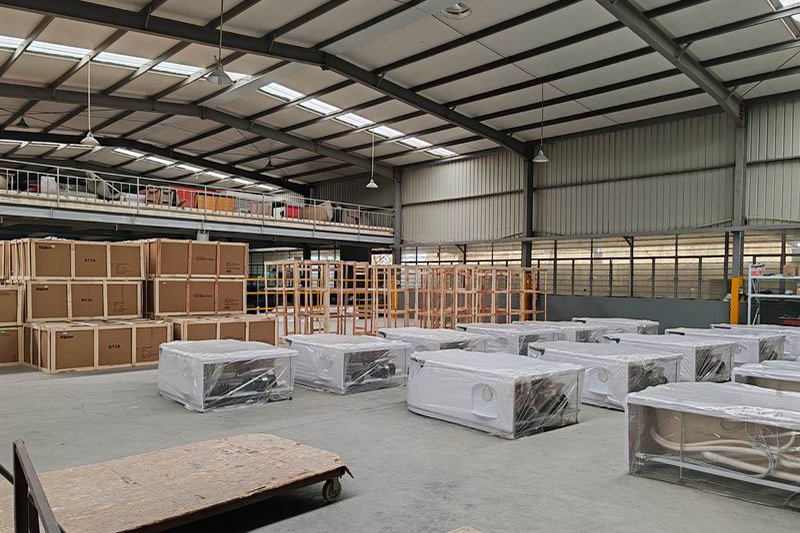
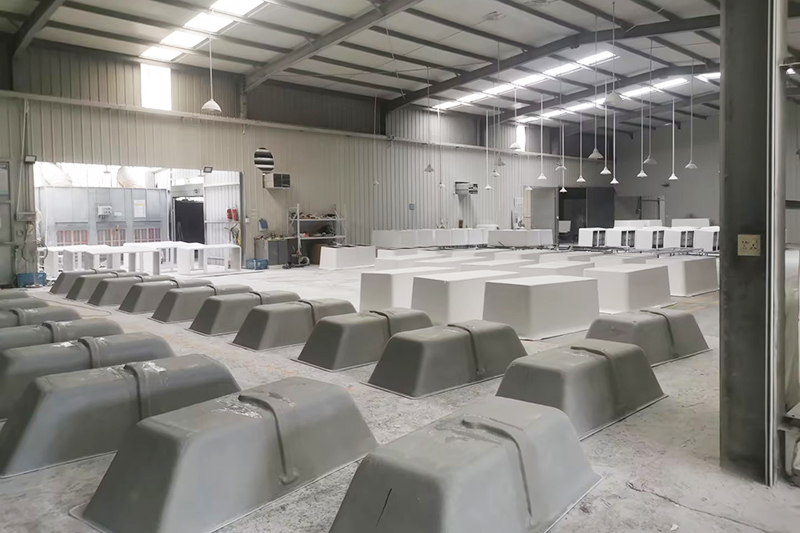
Our facility produces 1,500 bathtubs, 1,500 shower rooms, and 2,000 shower panels monthly, enabling us to handle large-scale commercial contracts efficiently.
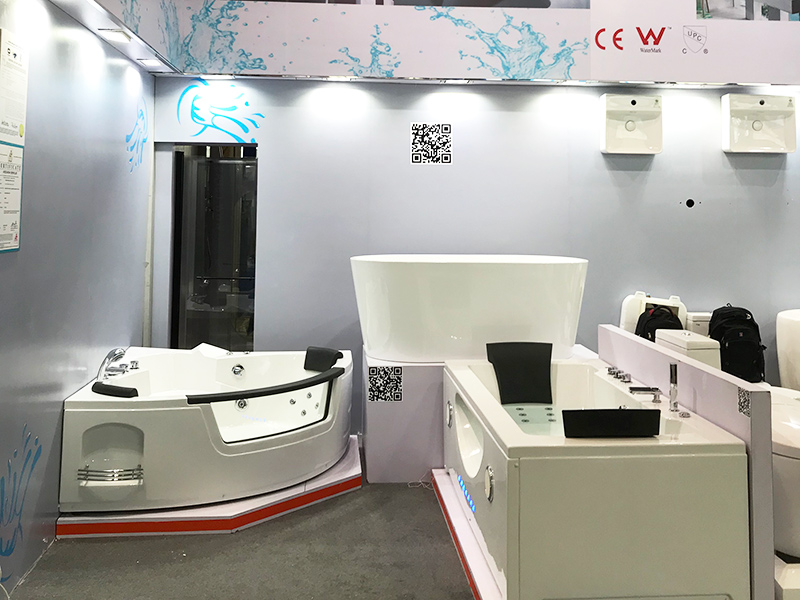
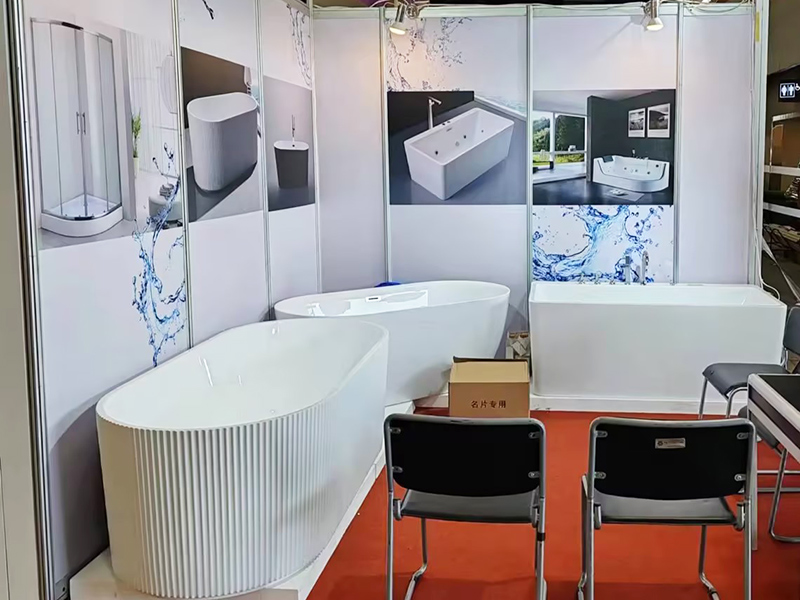
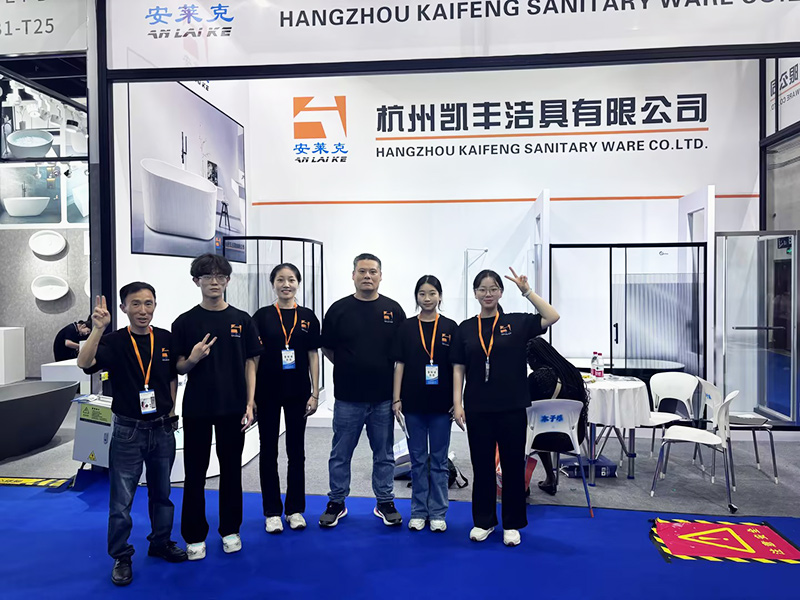
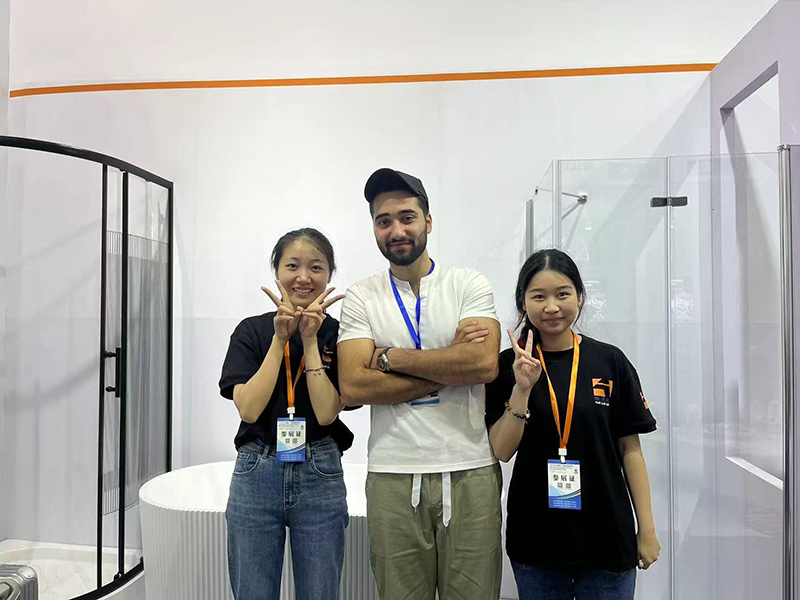
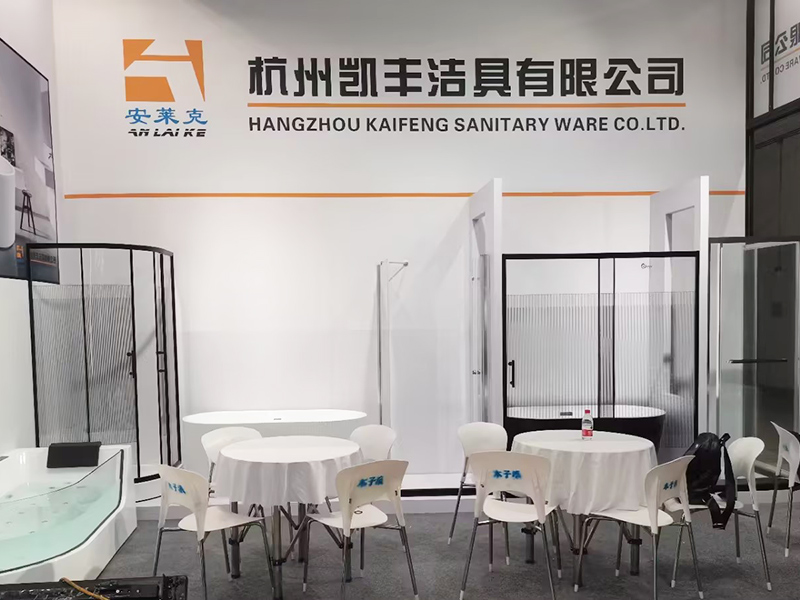
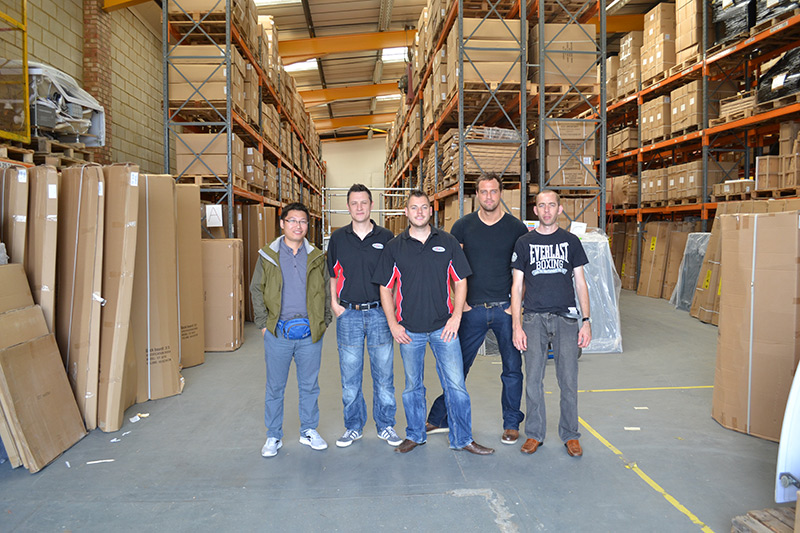
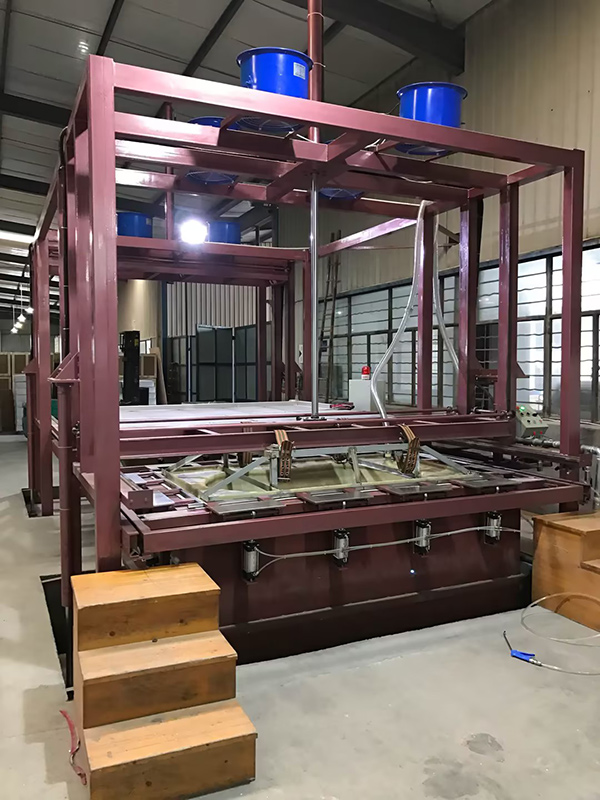
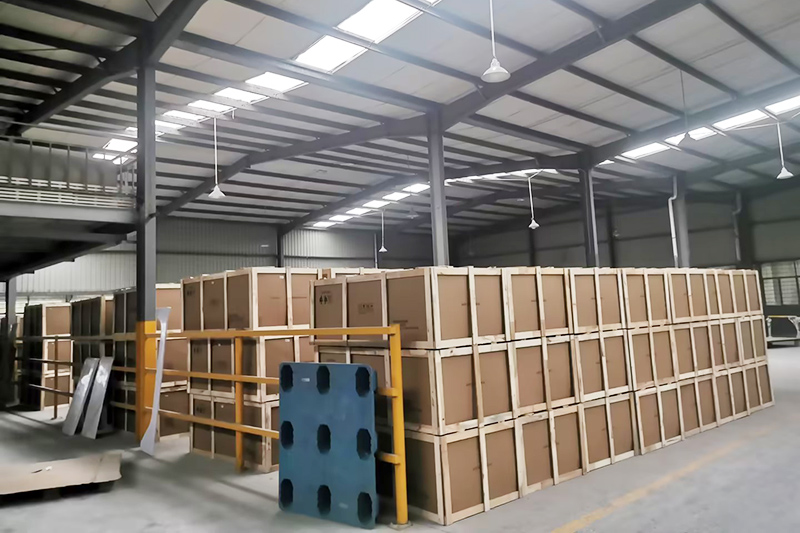
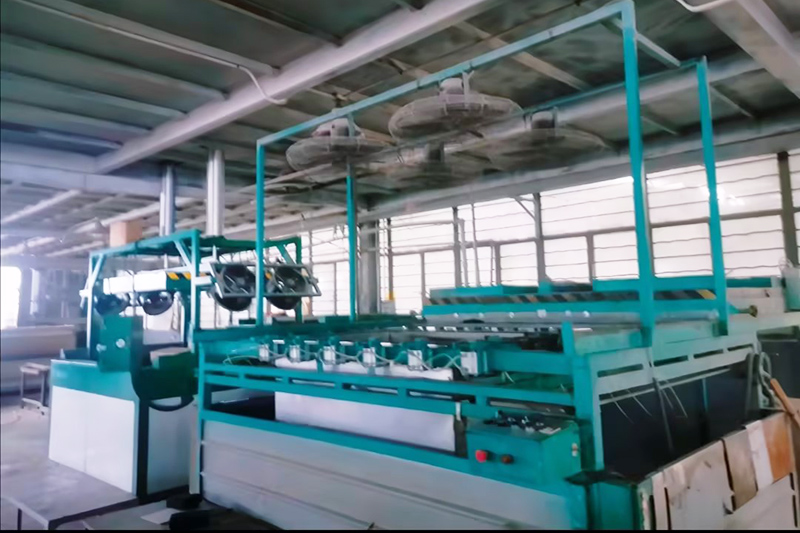
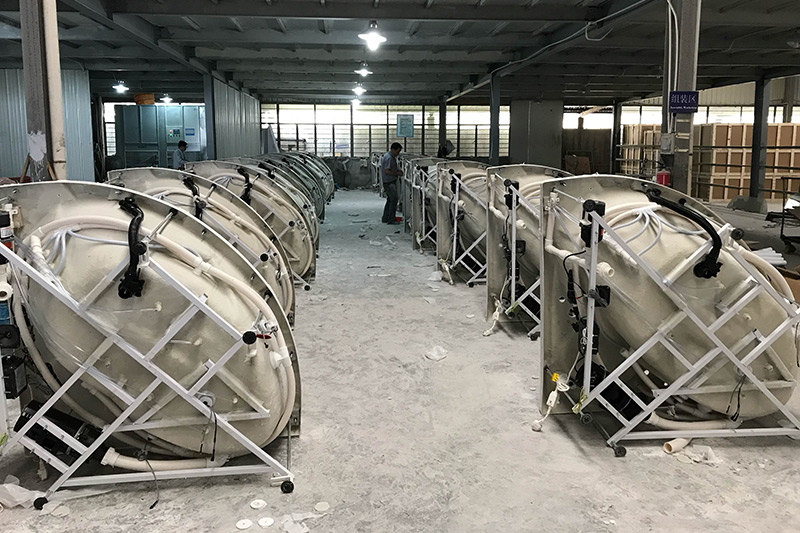
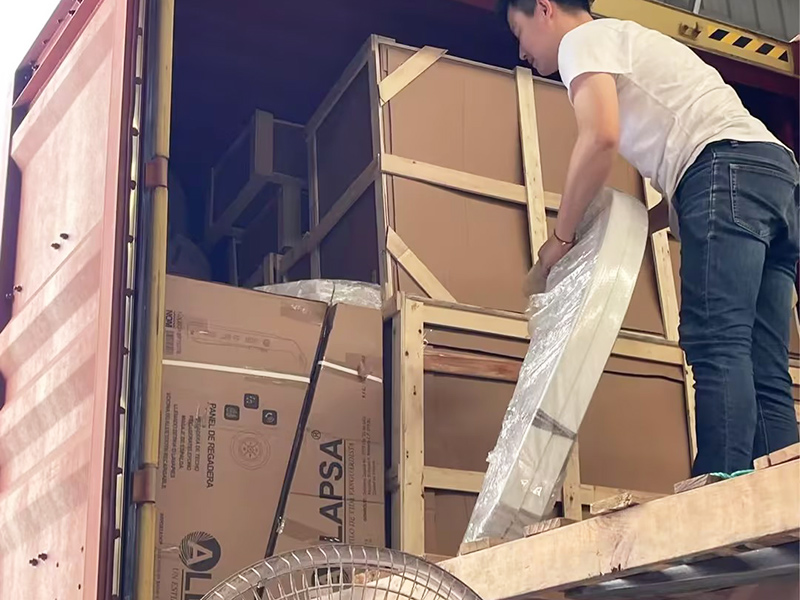
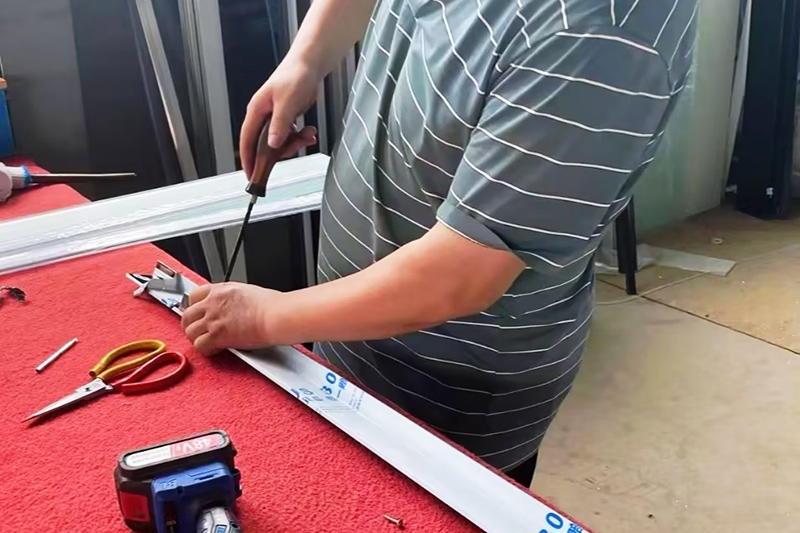
Get an inside look at our 20,000-square-meter facility in Xiaoshan, Hangzhou. Our infrastructure features automated tempering, assembly lines, and rigorous quality inspection stations.


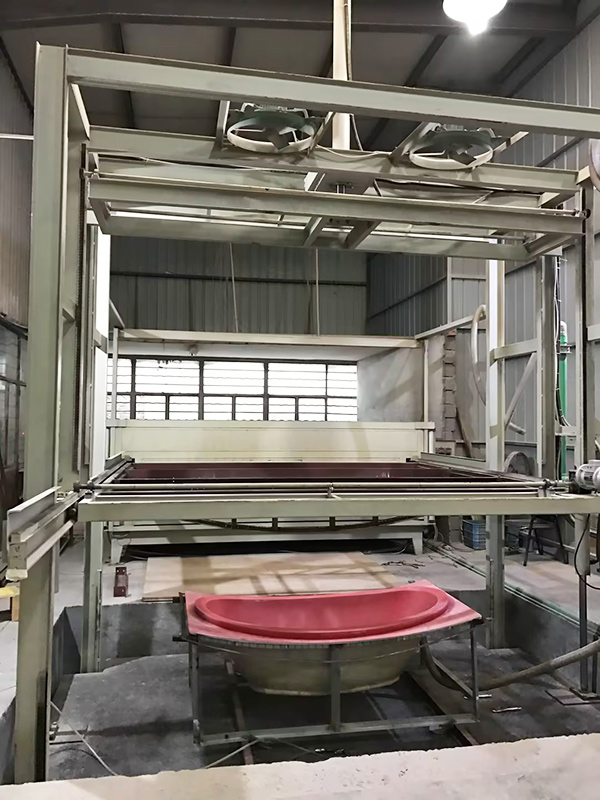
Different regions present unique regulatory and architectural demands for walk-in glass shower doors. We tailor our engineering designs to meet localized requirements:
Residential projects in North America favor thicker, heavy glass designs (8mm, 10mm, and 12mm) featuring clean, frameless configurations. Hardware must comply with strict ASTM standards, and bypass doors are heavily favored in urban markets like Toronto and New York where maximizing space is key.
European developers prioritize water containment and low-carbon production processes. Designs frequently incorporate slim, profile-framed configurations with high-performance magnetic PVC gaskets. Our systems meet CE (EN 14428) standards, ensuring compliance across European markets.
Architectural specifications in Oceania require compliance with AS/NZS 2208 safety standards. Due to regional seismic conditions, configurations must utilize reinforced glass-to-wall clamping systems and heavier-gauge aluminum mounting channels for added structural support.
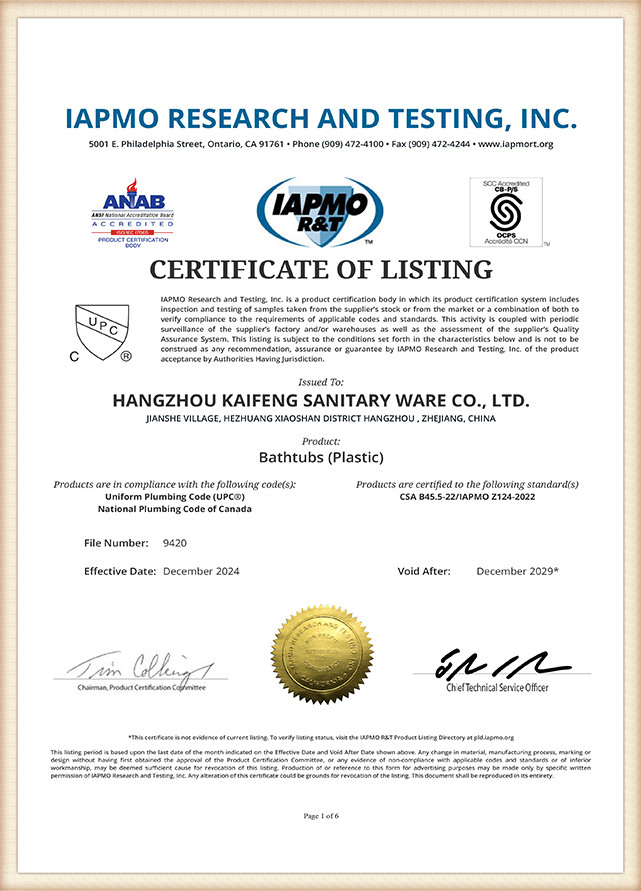
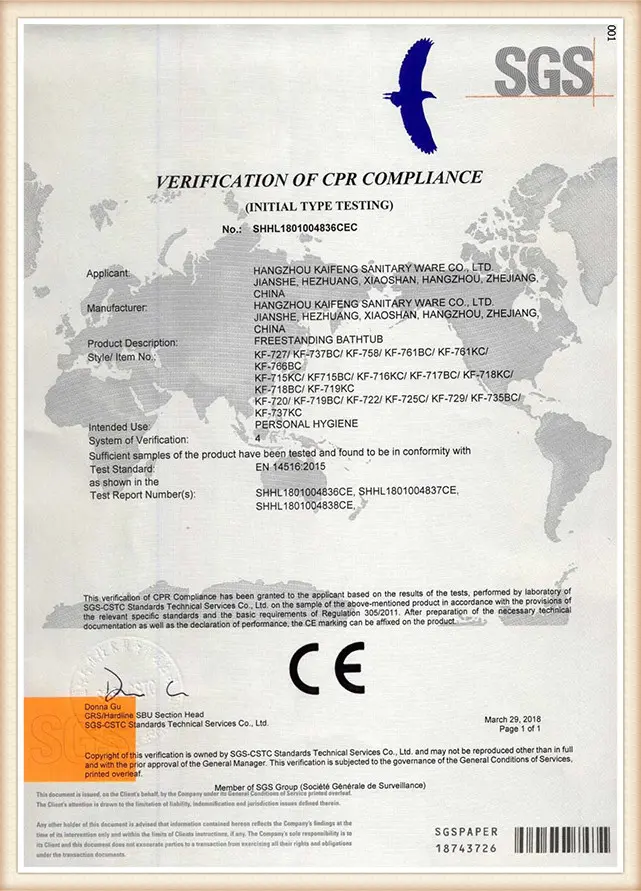
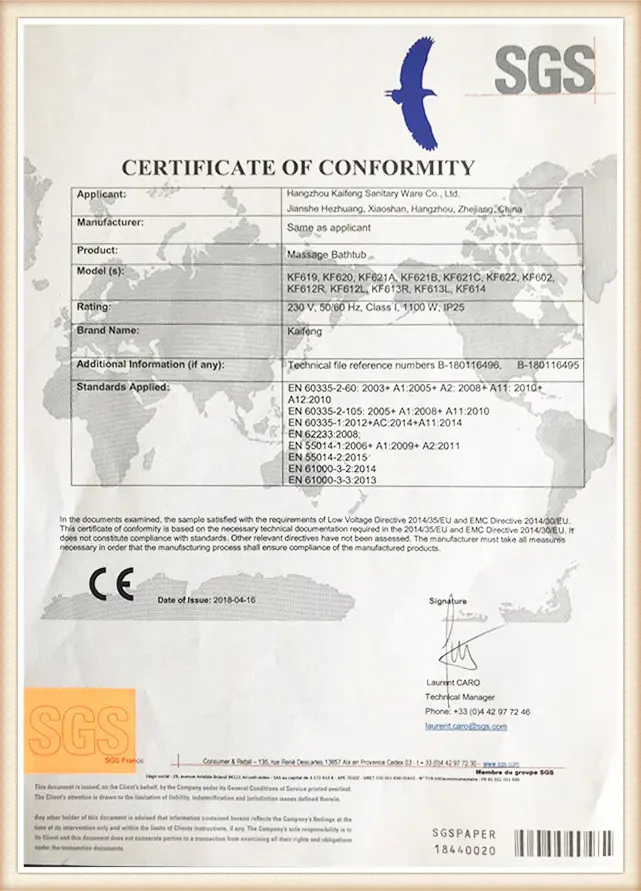
To support global project integration, our products undergo independent certification. Below are the verified test and quality management system certificates demonstrating compliance with international structural safety standards:
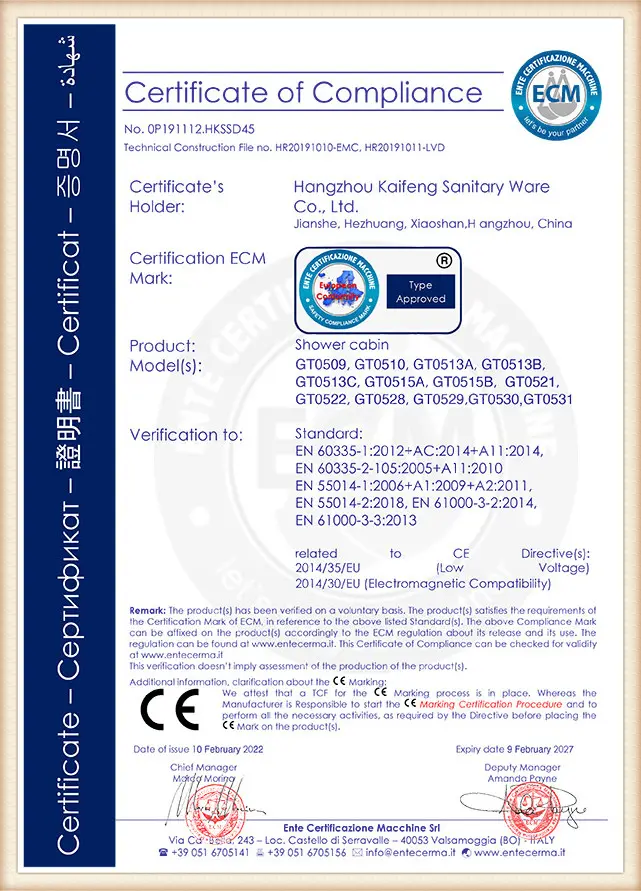
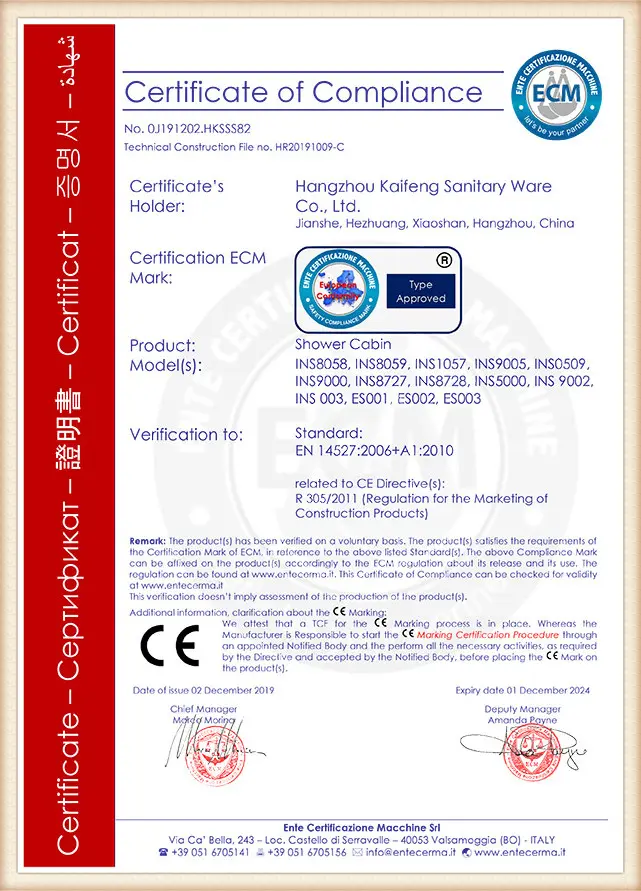
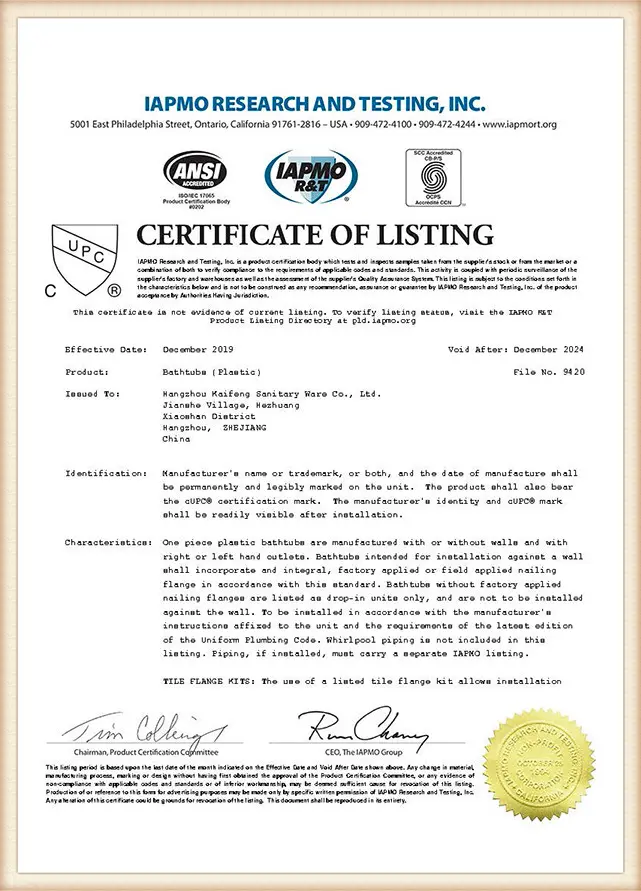
Below are the most common technical questions asked by project engineers, commercial buyers, and designers regarding walk-in shower glass doors:
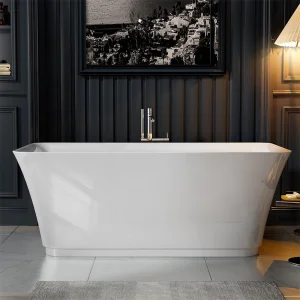
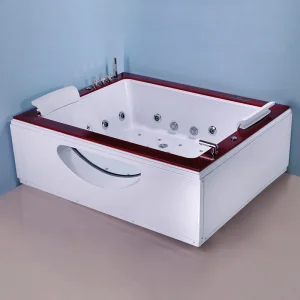
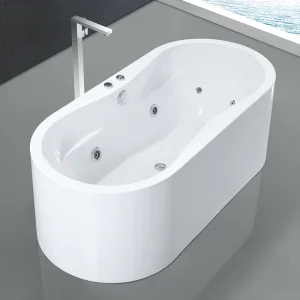
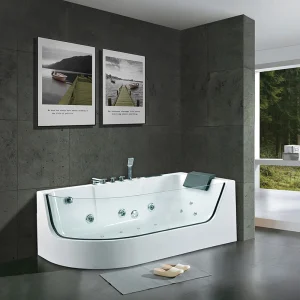
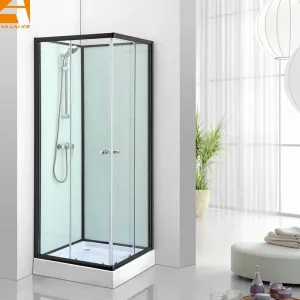
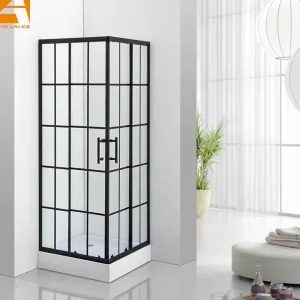
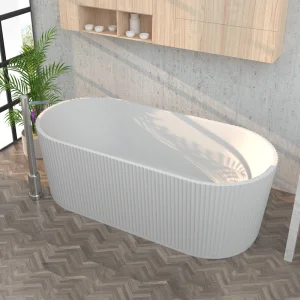
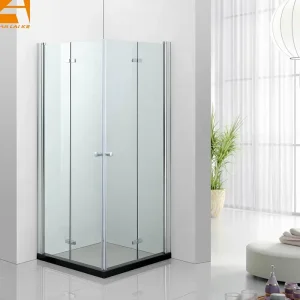
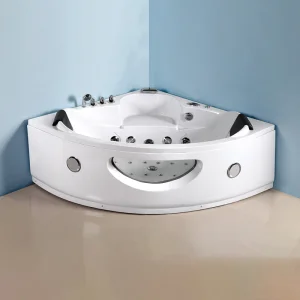
Explore our wider product line, including sliding shower enclosures, massage bathtubs, and custom bathroom fixtures designed to complement modern glass configurations.
 Kaifeng