Explore our premium architectural grade products engineered for modern space optimization and luxury longevity.
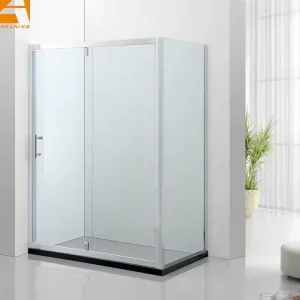
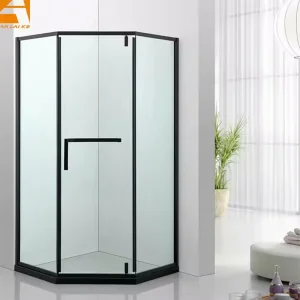
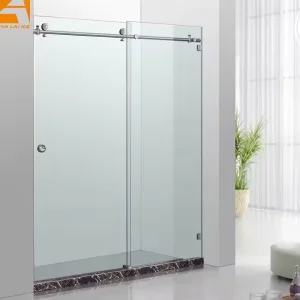
The global construction and building fixtures industry has witnessed a paradigm shift toward space-maximizing and aesthetically minimal solutions. Urbanization has directly impacted apartment sizes in metropolitan hubs across New York, London, Frankfurt, and Tokyo. As living footprints contract, architects and developers are turning away from swing-open pivot doors, which demand large clearance radiuses, toward highly efficient, smooth-glide sliding mechanisms. The global sliding shower door market is no longer driven purely by basic function, but by engineering standards, glass longevity, and safety criteria.
Today's project specifications mandate tempered safety glass, anti-corrosive metals, and soft-close shock absorption. Developers realize that the bathroom represents one of the most critical touchpoints of a property, directly influencing overall user perception of luxury and durability. Consequently, selecting the correct wholesale bathroom shower sliding door supplier has become a key risk management decision for commercial developers, hospitality procurement departments, and high-volume distributors.
Strategic Insight: By utilizing specialized track systems and tempered safety glass conforming to international standards (CE, SGCC), procurement professionals can reduce structural wear-and-tear by over 40% over a 10-year usage lifecycle compared to traditional pivot systems.
Furthermore, energy conservation regulations and the rise of "green building" standards globally require components that have verified lifecycles, low carbon production processes, and high durability. High-density residential projects (such as Build-to-Rent layouts in Europe and multi-family structures in the USA) require architectural details that reduce maintenance costs. Shower doors fitted with low-iron tempered glass and hydrophobic easy-clean coatings are now the benchmark. These technologies prevent scale buildup and structural clouding, saving hundreds of maintenance hours annually across large-scale facilities.
Hangzhou, located in China's Zhejiang province, stands at the absolute center of global sanitary ware manufacturing. The region's industrial clustering provides an unparalleled supply chain framework. From raw float glass to specialized extrusion dies and surface anodizing plants, every element of the manufacturing ecosystem is situated within a 50-kilometer radius. This geographic configuration eliminates transport latency, minimizes logistics costs, and allows for rapid prototyping and mass customization.
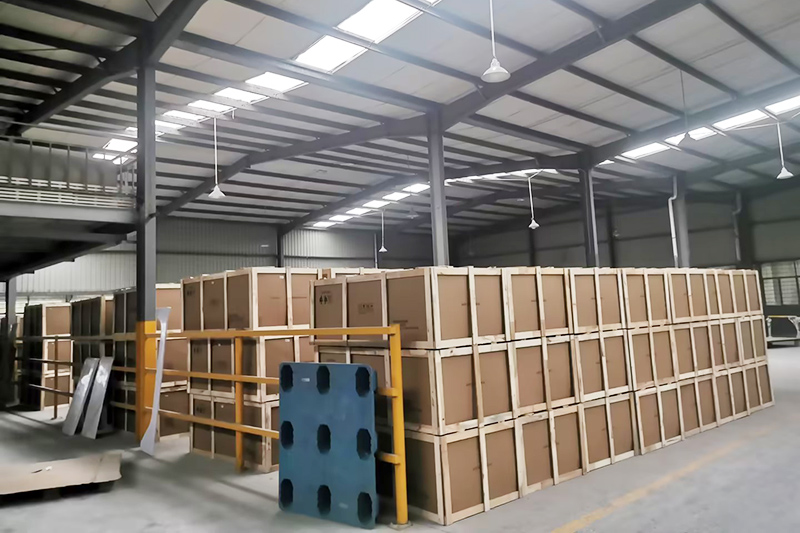
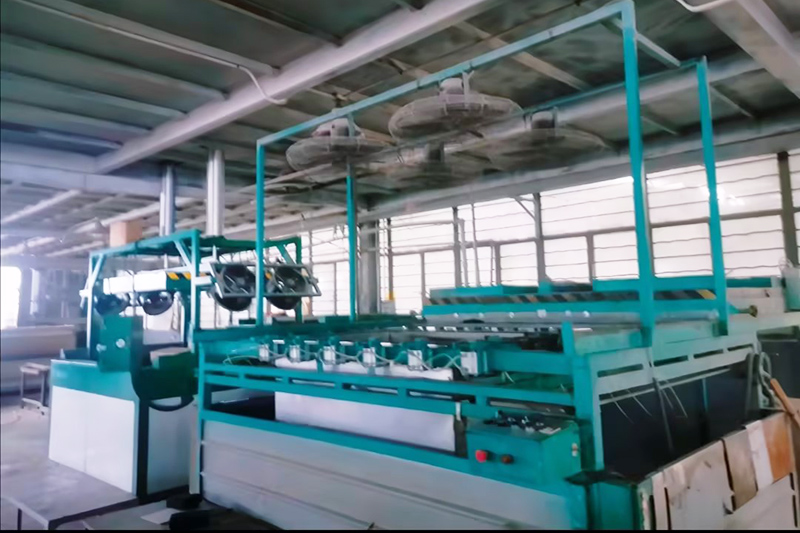
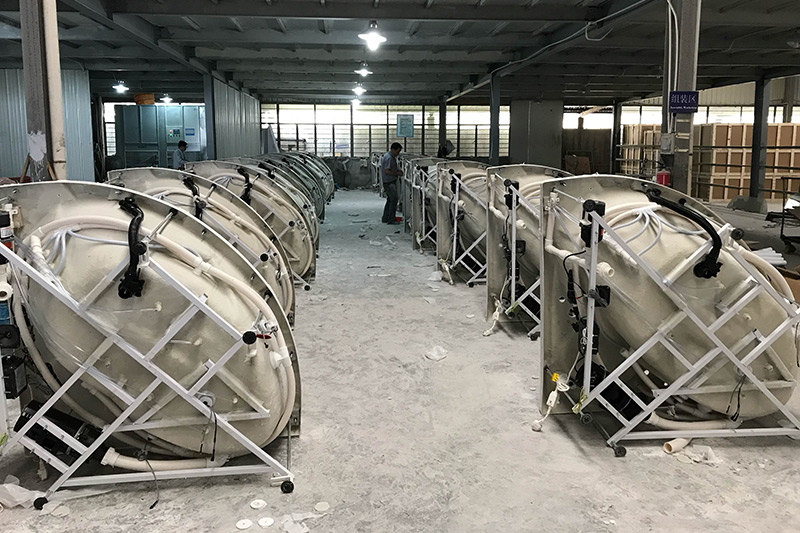
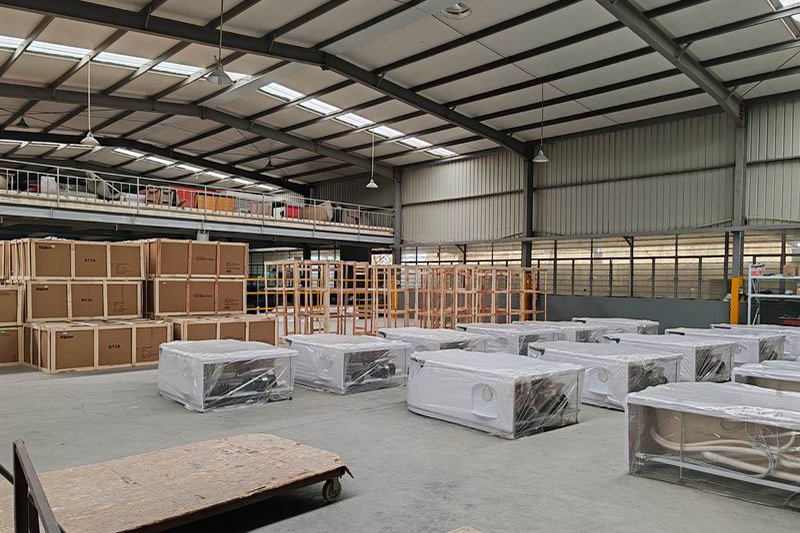
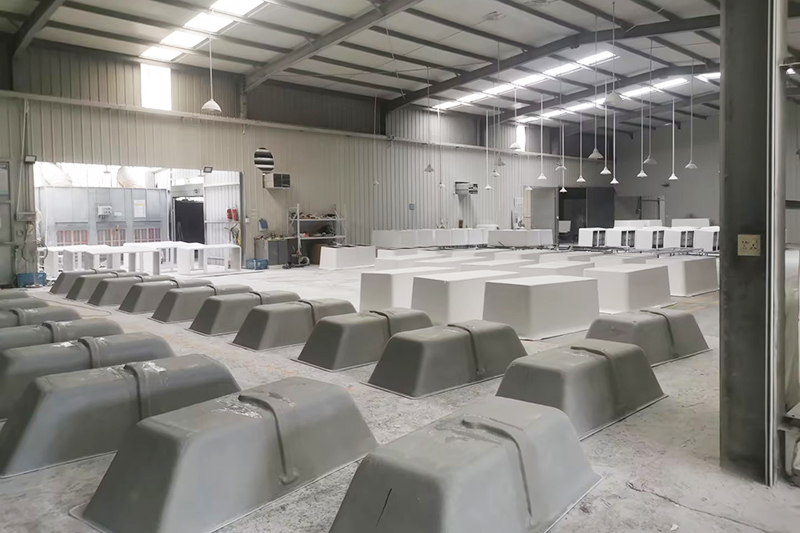
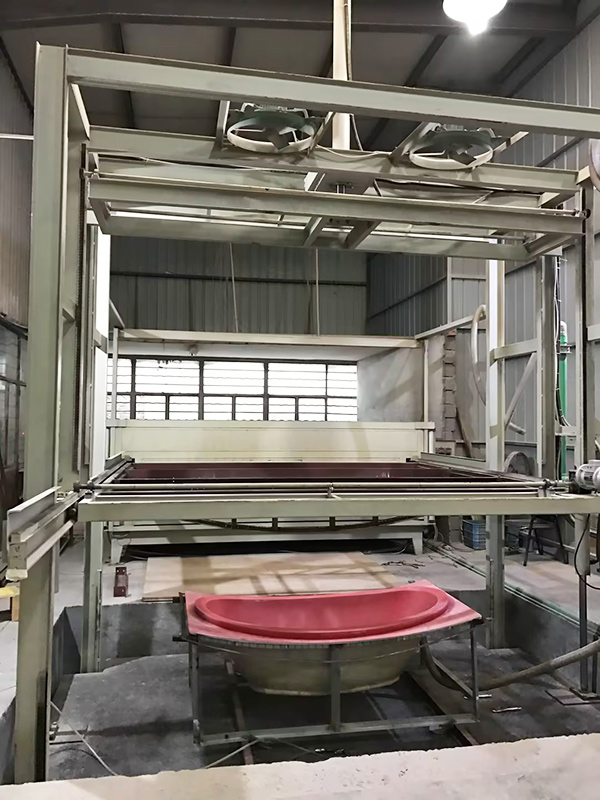
For instance, Hangzhou Kaifeng Sanitary Ware Co., Ltd. capitalizes on this unique local infrastructure. Having a specialized 20,000-square-meter facility in Hangzhou's Xiaoshan District enables the integration of advanced CNC glass drilling machines, automated aluminum cutting systems, and clean-room assembly lines. This level of vertical integration means Hangzhou factories operate at a margin of efficiency that single-source Western manufacturers cannot match. Lead times are reduced from months to weeks, and raw material sourcing meets strict quality baselines before fabrication ever begins.
The efficiency of a modern Chinese factory does not just mean low-cost labor; it represents advanced manufacturing automation. Precision engineering of double-roller configurations, pneumatic impact tests for profile deflection, and automated glass washing lines ensure each sliding door behaves uniformly. By leveraging industrial scale, factories can procure large quantities of raw metals and tempered sheets, insulating overseas buyers from global commodity price spikes while guaranteeing stable production schedules.
Integrating 20 years of craftsmanship with strict ISO-9001:2000 quality management to deliver world-class elegance.
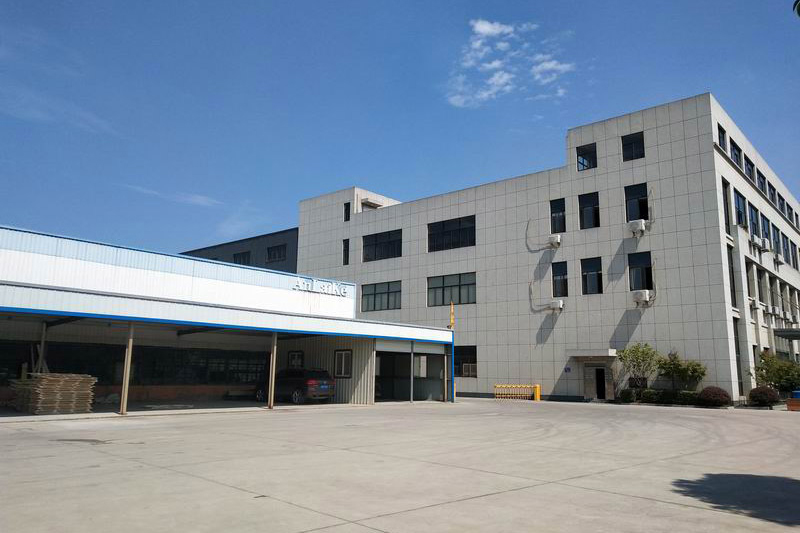
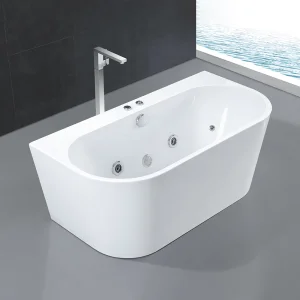
Founded in 2005, Hangzhou Kaifeng Sanitary Ware Co., Ltd. started as a focused manufacturing workshop with a dedication to superior engineering. Over the past two decades, we have expanded our capacity to become a globally recognized brand, selling over 36,000 freestanding bathtubs, 6,000 massage bathtubs, 60,000 shower rooms, and 12,000 complete modular bathrooms annually. Our annual sales revenue exceeds 10,000,000 USD, serving top-tier developers and distributors across 50 countries.
Located in Hangzhou’s Xiaoshan District, our 20,000-square-meter facility runs modern production lines producing 1,500 bathtubs, 1,500 shower rooms, and 2,000 shower panels monthly, with over 80% exported to critical markets including the USA, Canada, UK, Germany, South America, and the Middle East.
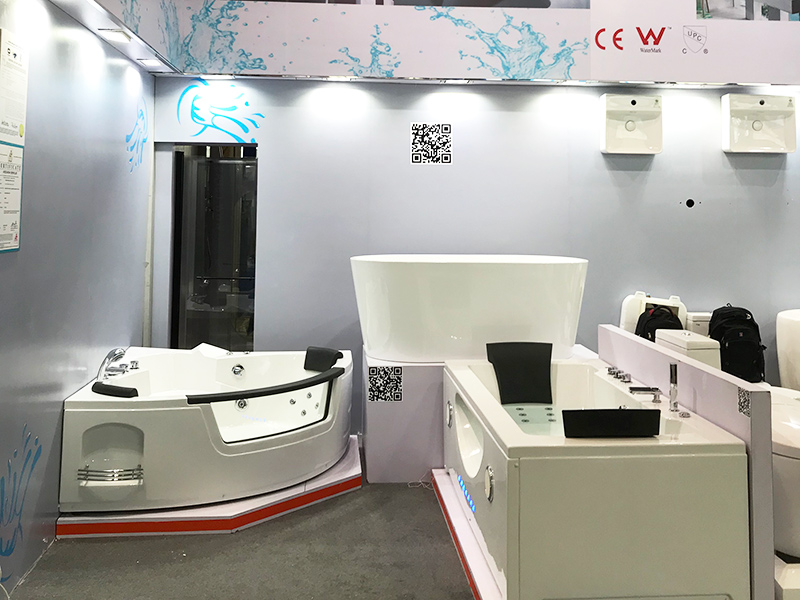
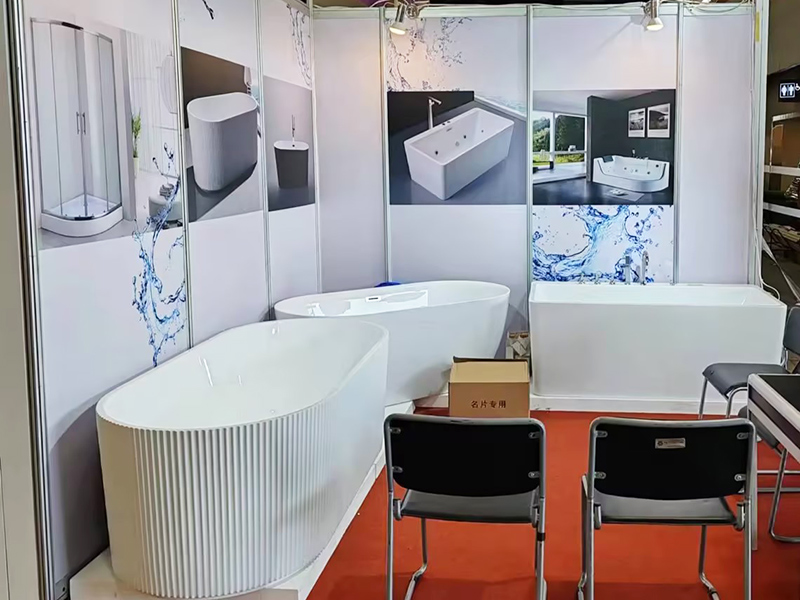
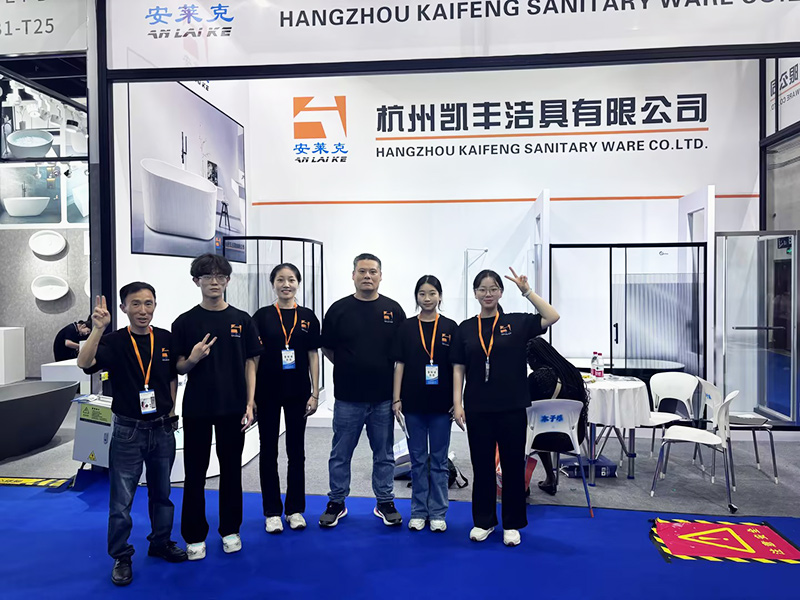
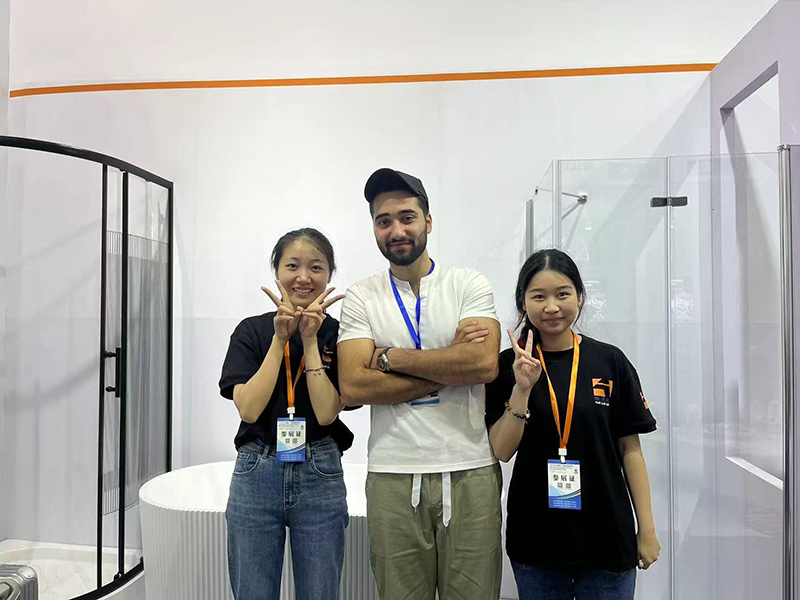
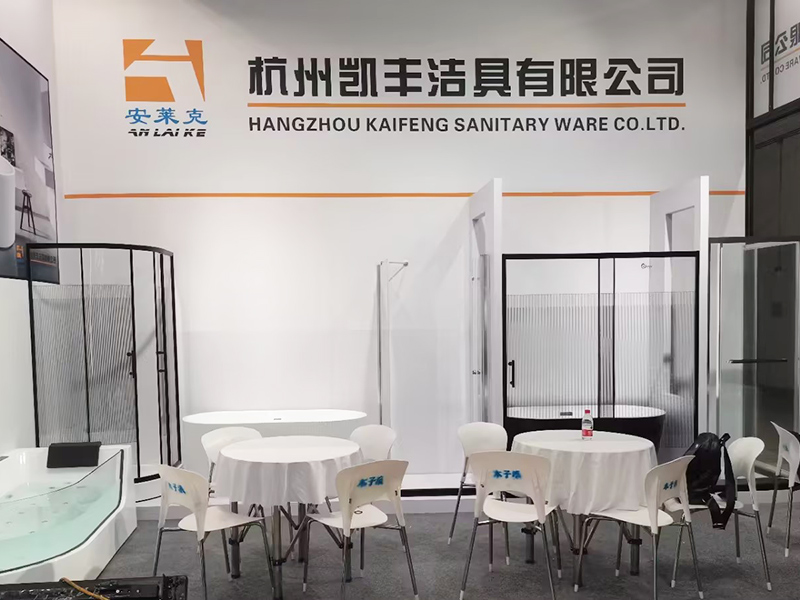
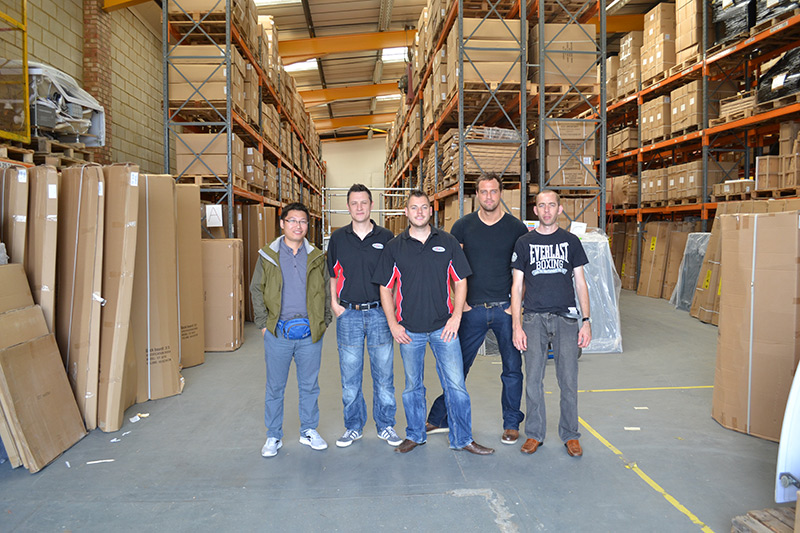
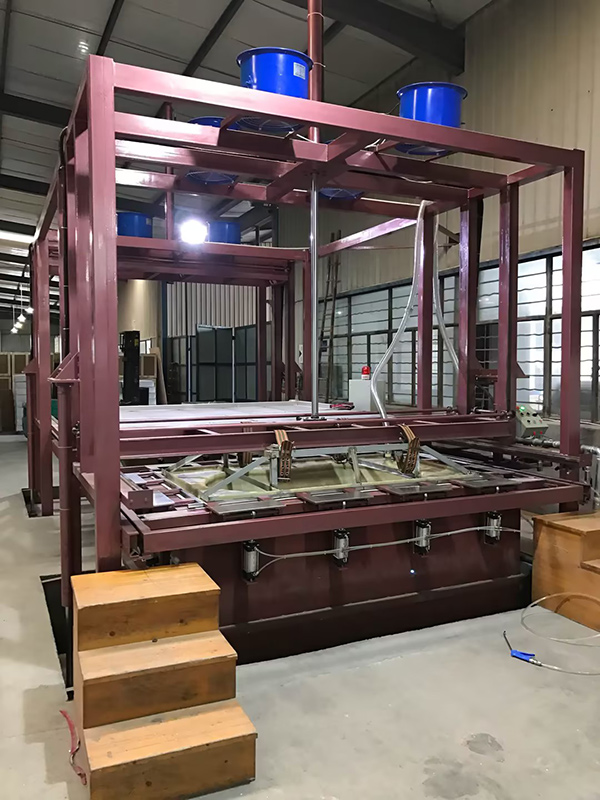
Every geographical market presents unique regulatory hurdles, construction practices, and aesthetic preferences. A competent supplier must tailor products to these local nuances, avoiding a "one size fits all" strategy.
1. North America: Accessibility, Safety, and Frameless Sublimity
In the United States and Canada, the dominant design trend is centered on ultra-minimalist, heavy-glass frameless sliding enclosures. Procurement managers focus heavily on SGCC (Safety Glass Certification Council) standards and compliance with ADA (Americans with Disabilities Act) bathroom layout configurations. Low-threshold or zero-threshold sliding paths are necessary for barrier-free entry. Furthermore, standard wall configurations require adjustable wall jambs to compensate for out-of-plumb walls, a common occurrence in fast-paced multi-family housing developments.
2. Western Europe: Optimizing Compact Wetrooms
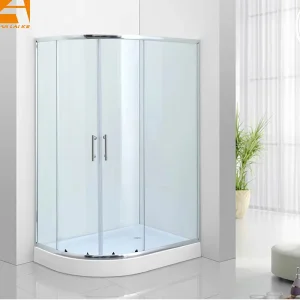
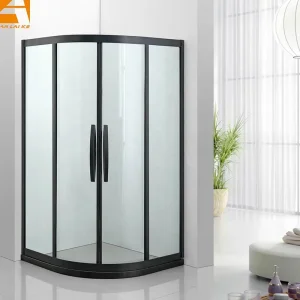
European bathrooms (UK, Germany, France) typically feature smaller footprints compared to North American layouts. There is a strong preference for quadrant sliding shower cubicles (like the curved base model KF-2301C) and bypass models that do not step outside the basin perimeter. Products must adhere strictly to CE regulations and EN 14428 European safety criteria. Due to water-hardness differences, European buyers place a high premium on pre-applied anti-limescale hydrophobic coatings, ensuring the glass maintains transparency with minimal cleaning.
3. The Middle East: High Durability and Luxe Accents
The GCC market (UAE, Saudi Arabia, Qatar) demand products built to handle high-salinity coastal environments and continuous thermal load. Hardware finishes—especially matte black, brushed gold, and polished chrome—must undergo intensive CASS (Copper-Accelerated Acetic Acid Salt Spray) testing to prevent oxidation. Luxury developments in Dubai or Riyadh dictate robust, thicker glass panels (10mm to 12mm) and premium soft-closing roller hardware to convey an immediate feeling of solidity and luxury.
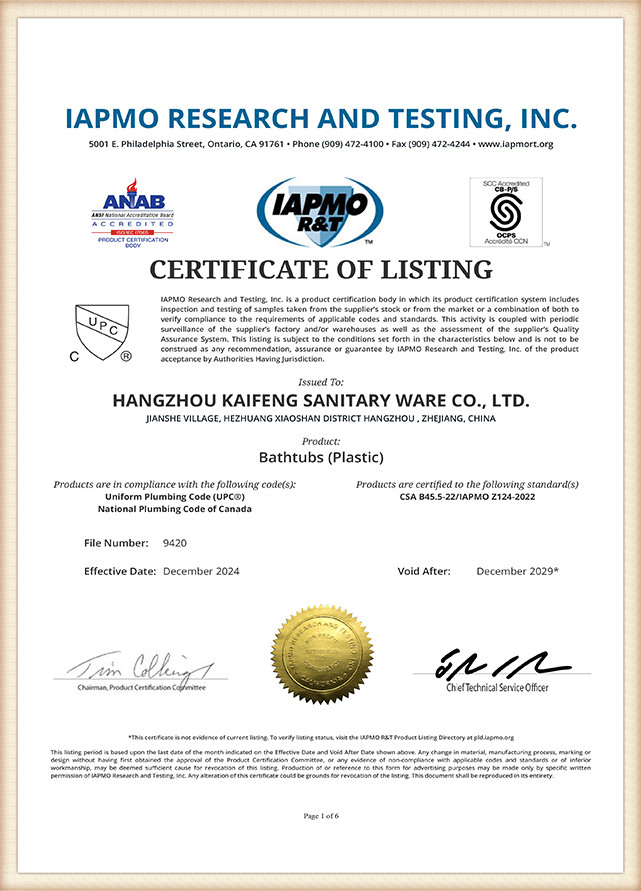
Our manufacturing and engineering systems strictly comply with global safety standards, certified by leading test bureaus.
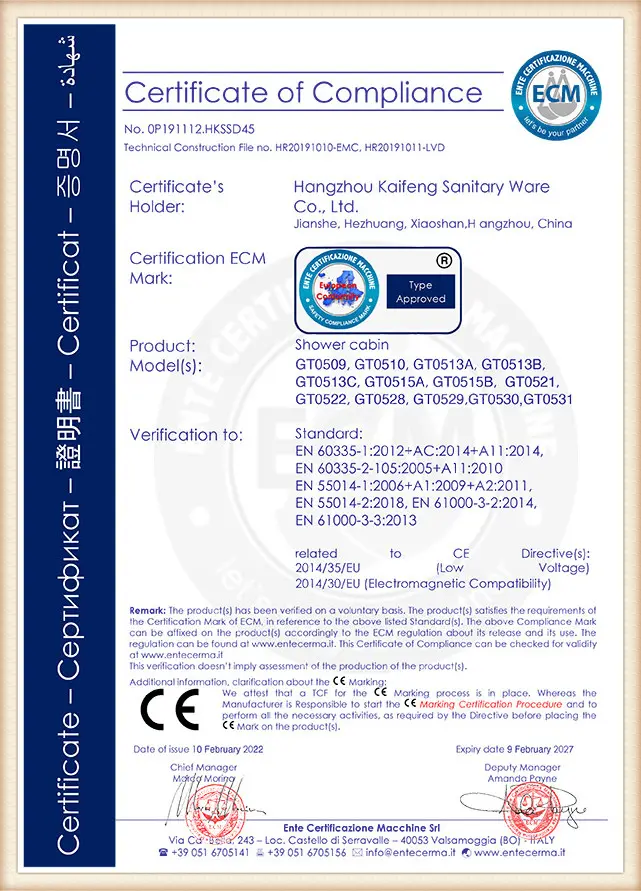
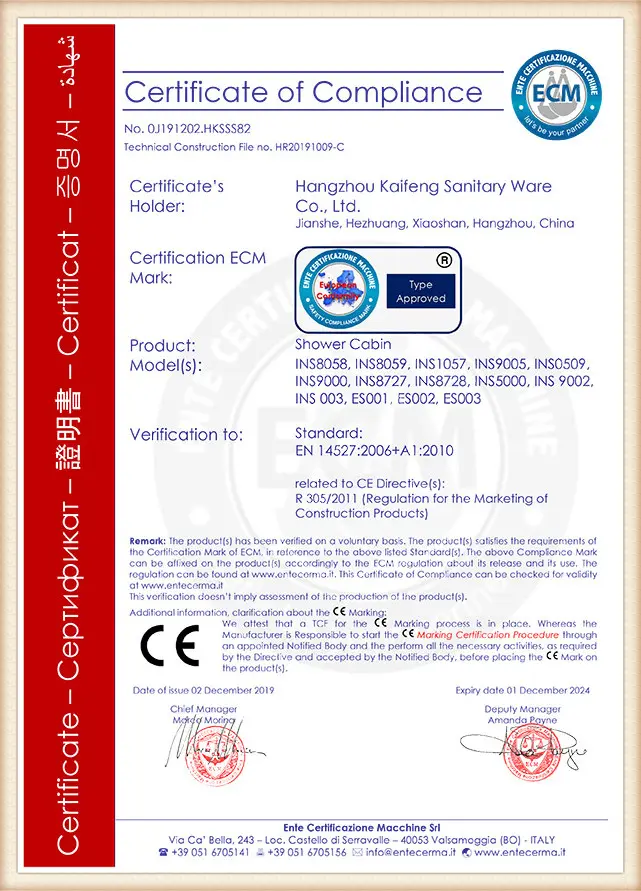
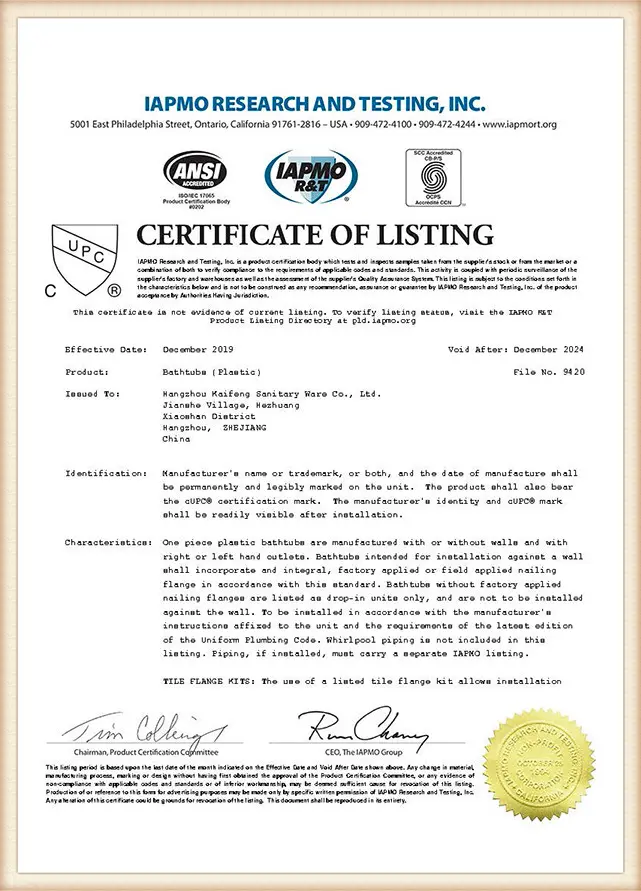
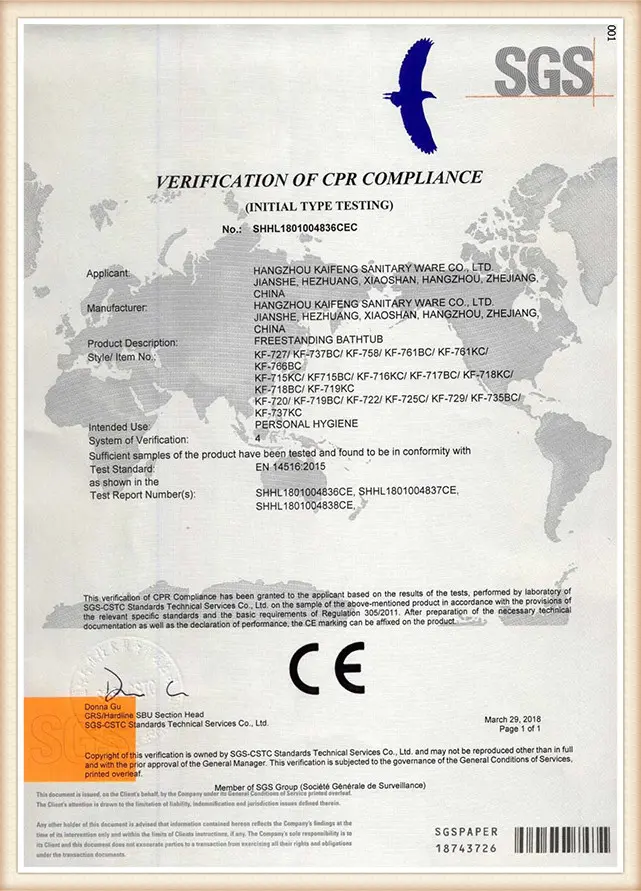
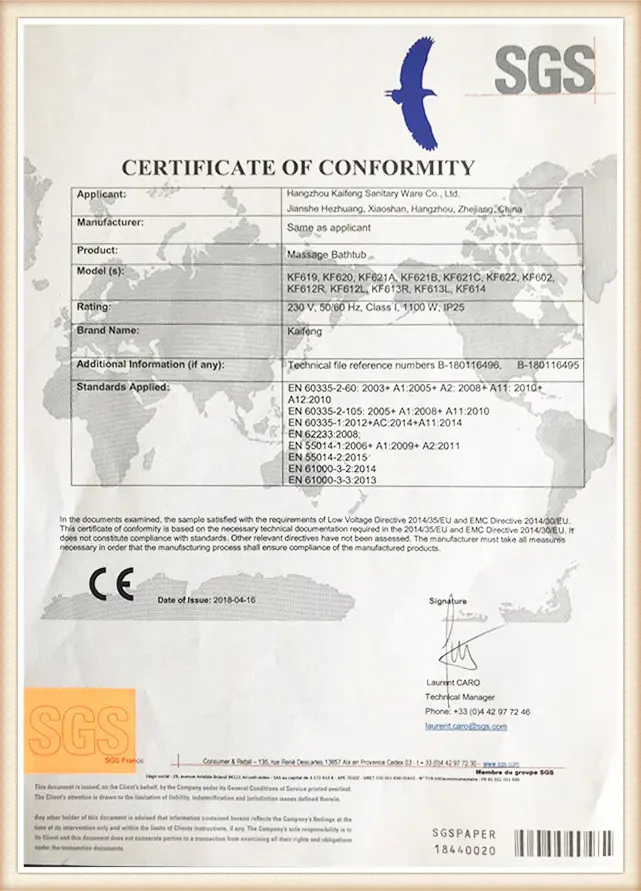

For commercial builders and global bathroom fixture importers, procurement is a balancing act of regulatory compliance, freight logistics, and design longevity. Large-scale residential construction has razor-thin margins and strict construction schedules. A single delayed shipment of shower doors can disrupt drywalling, tiling, and final inspection schedules, costing thousands of dollars in delays daily.
1. Material Certifications and Safety Compliance
The primary concern for any sliding shower door is the risk of spontaneous glass breakage. This is mitigated through proper glass tempering. Tempering must meet the EN 12150 standard in Europe or ANSI Z97.1 / SGCC in North America. Ensuring safety glass breaks into small, dull granules instead of jagged shards is critical. Procurement managers must demand certified test reports directly from a supplier's internal quality laboratory before ordering.
2. Structural Integrity & Wear Cycle Verification
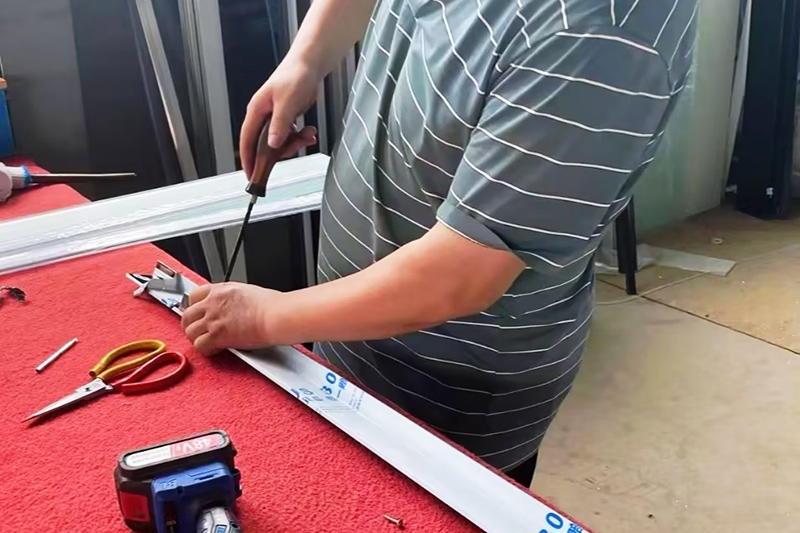
While glass represents the visible surface area, the real failure point of any sliding door is the track and roller hardware. Cheap rollers deteriorate quickly under daily load. Enterprise buyers should specify hardware that has undergone 100,000-cycle life testing under dry and wet run conditions. High-quality double-roller configurations with internal nylon sleeves and stainless steel bearings provide smoother operation and long-term durability.
3. Logistics Optimization and Packaging Design
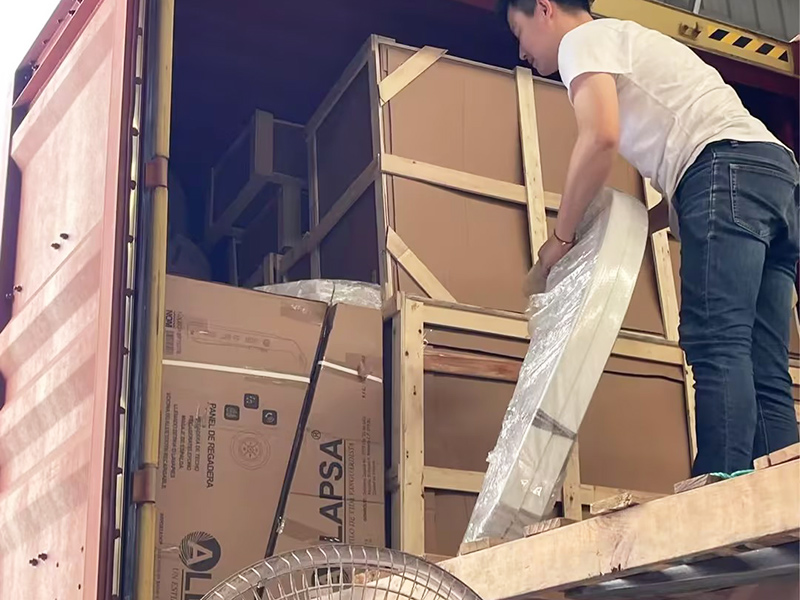
Glass shipments are highly susceptible to shipping damage. Standard box packaging is insufficient for multi-port ocean transit. Heavy-duty honeycombed cardboard corner protections, impact-absorbing foam inserts, and drop-tested packaging certified by the ISTA (International Safe Transit Association) 3A/6A standards are crucial. Optimizing the outer packaging dimensions is also key to maximizing container utilization, allowing buyers to pack more units per shipping container and lower their landed unit costs.
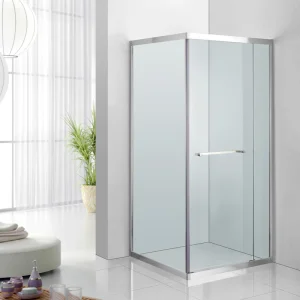
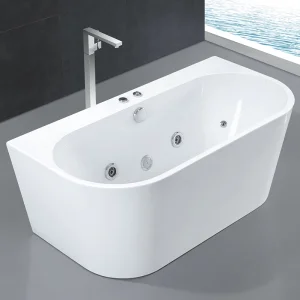
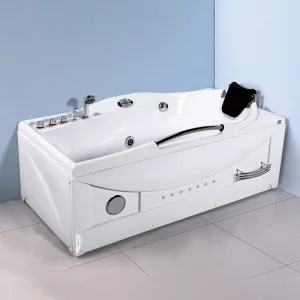
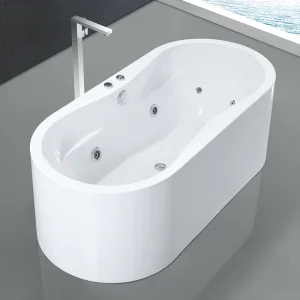
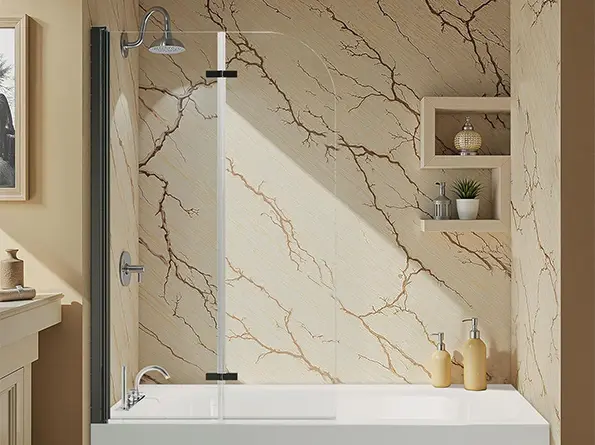
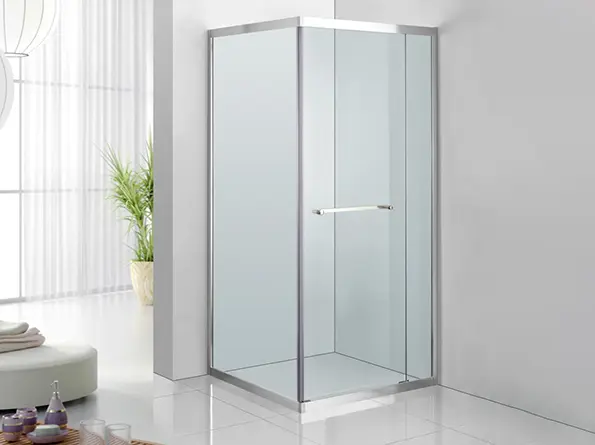
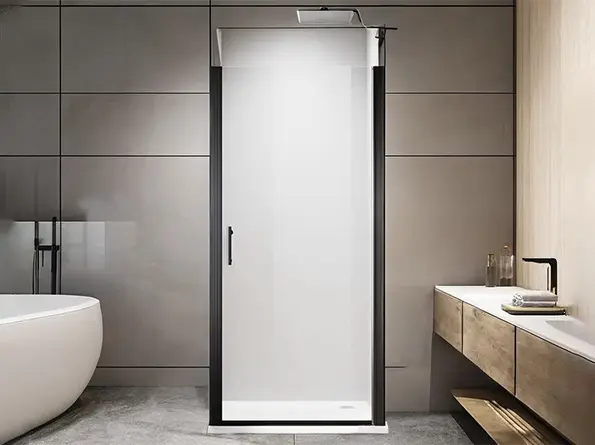
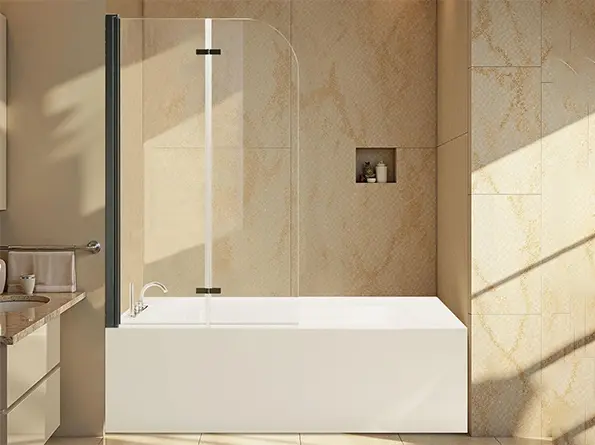
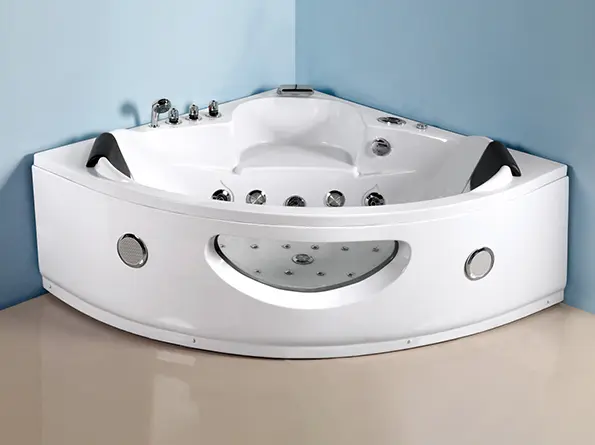
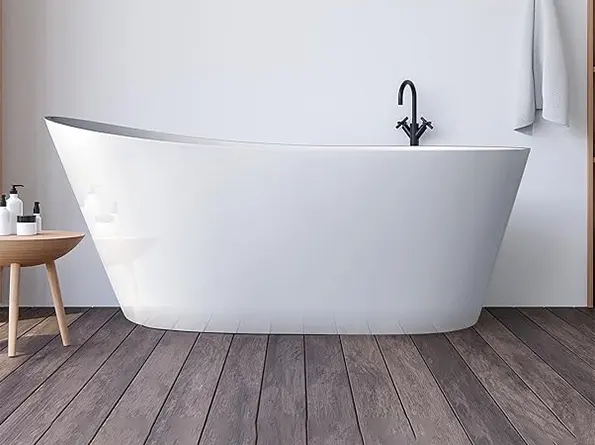
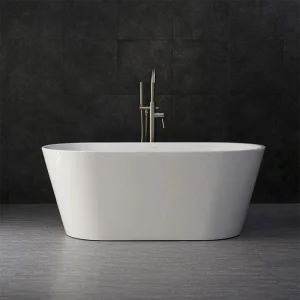
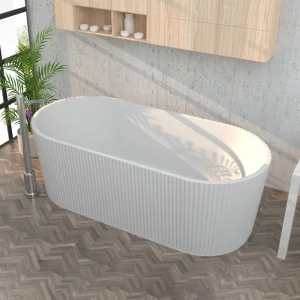
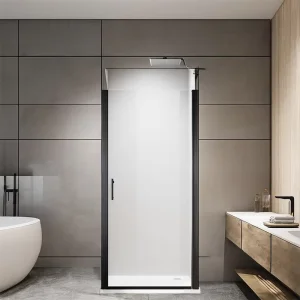
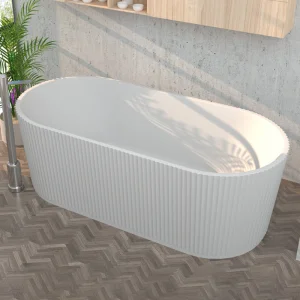
Engineered for versatility, our catalog spans simple sliding screens, folding enclosures, massage systems, and freestanding designs.
Critical answers for B2B buyers regarding certifications, lead times, customization, and hardware resilience.
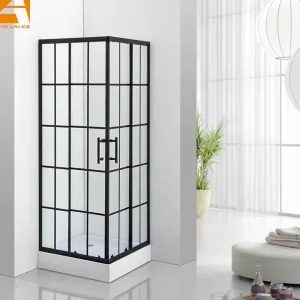
Explore our highly-requested commercial models, customized for residential builds, high-rise projects, and hospitality refits.
 Kaifeng