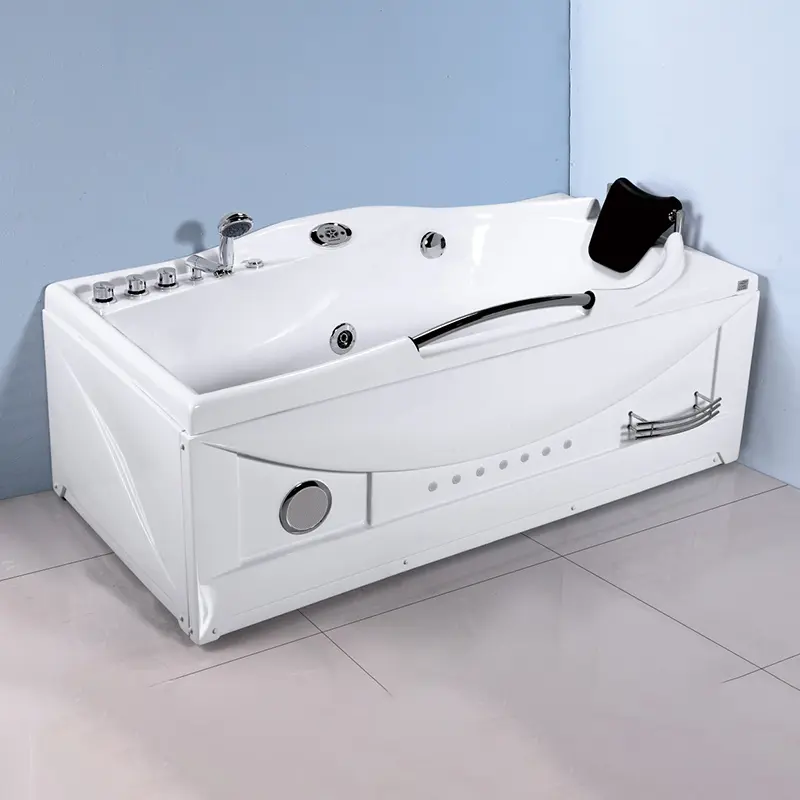
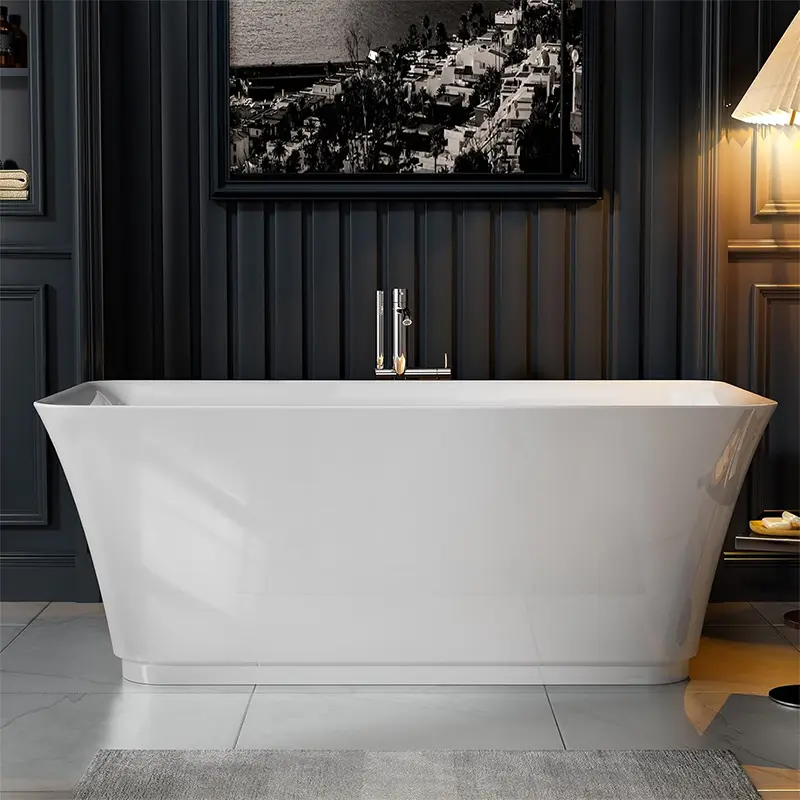
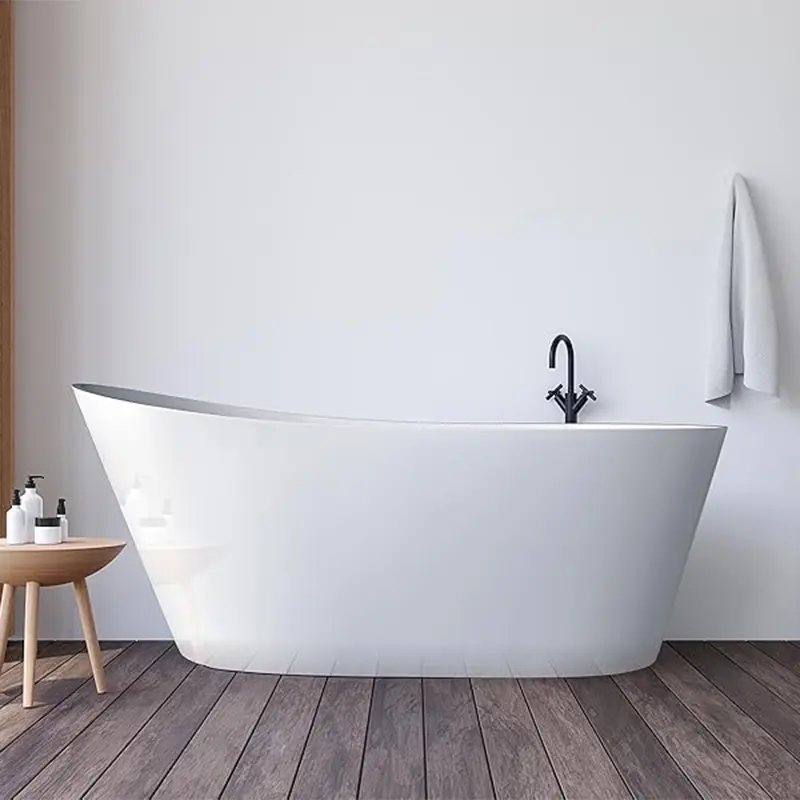
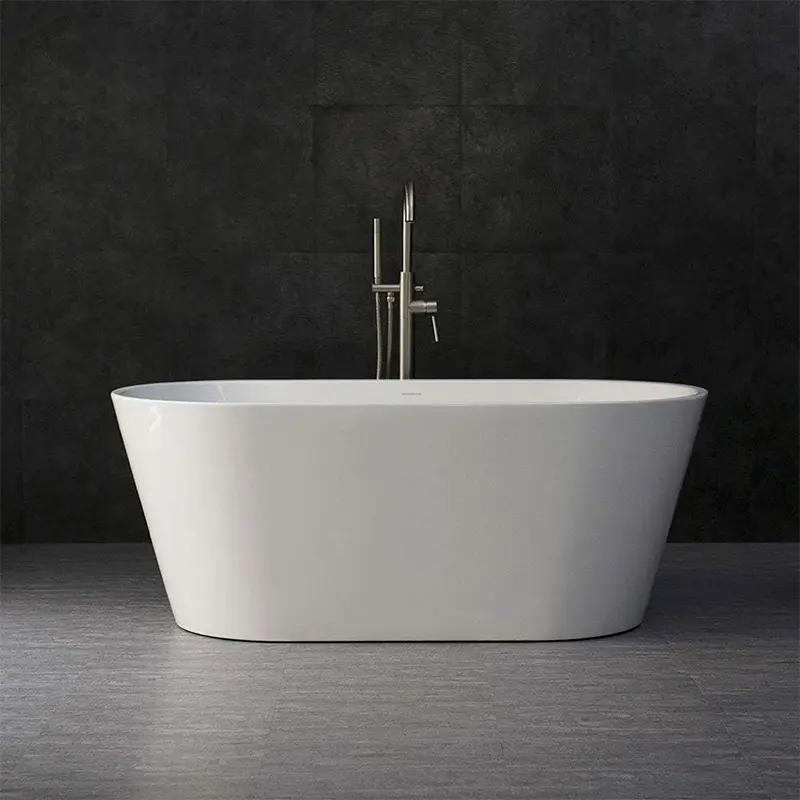
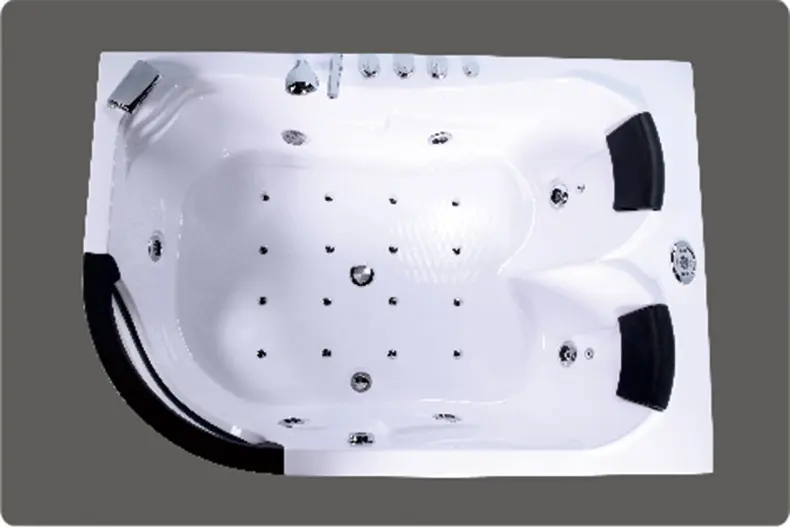
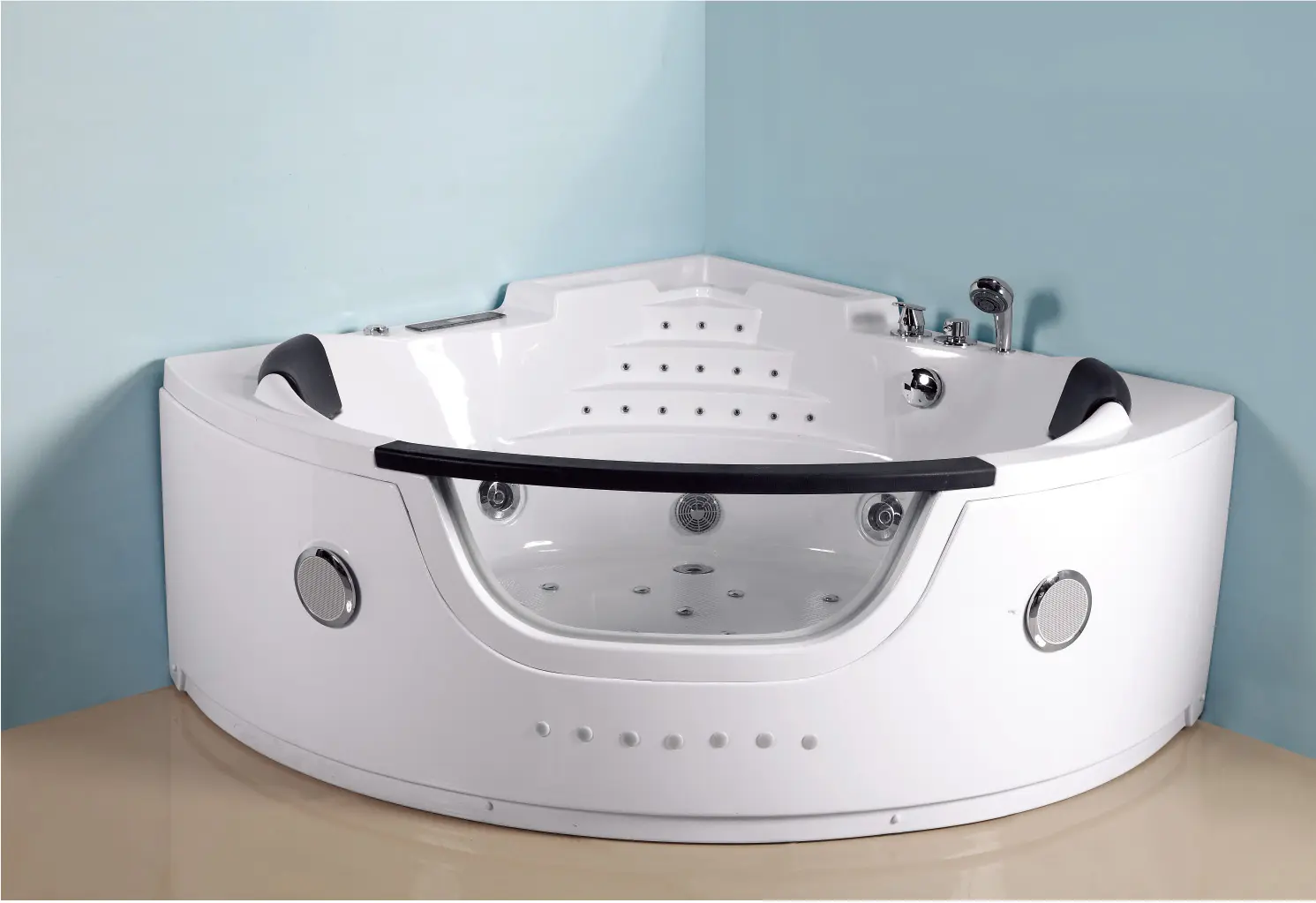
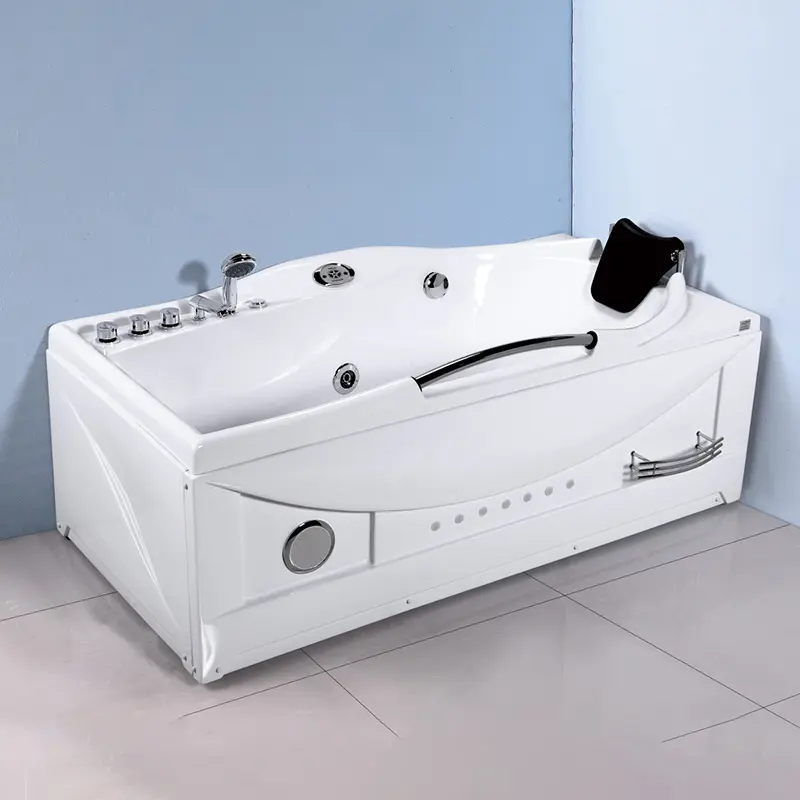
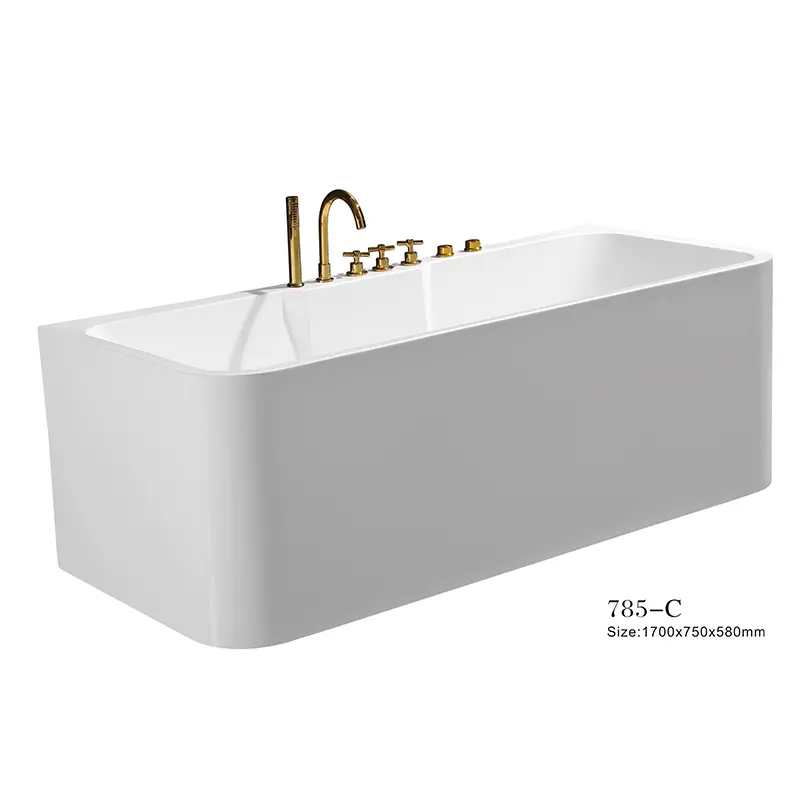
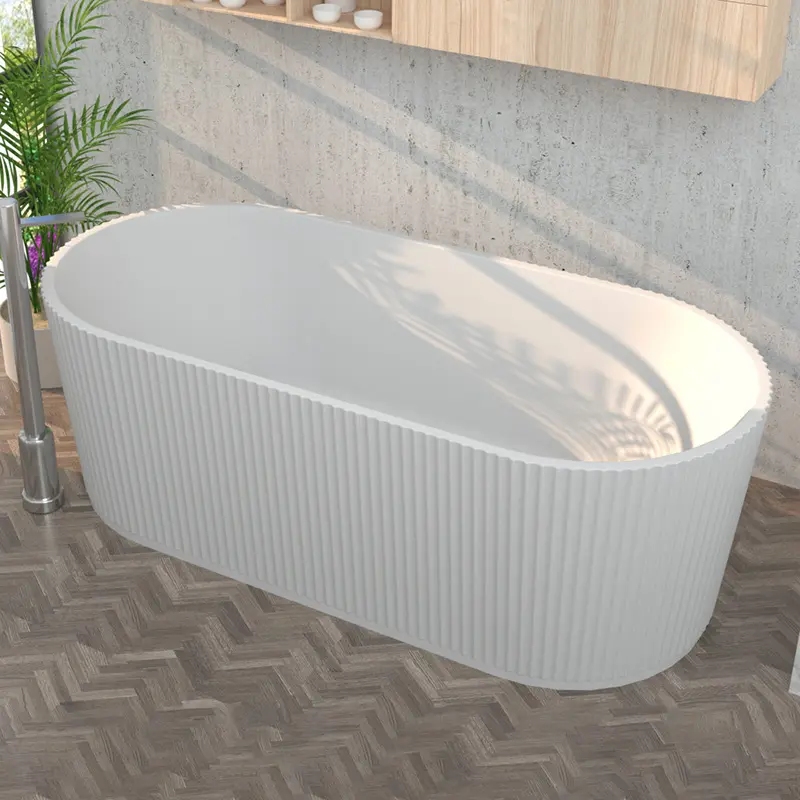
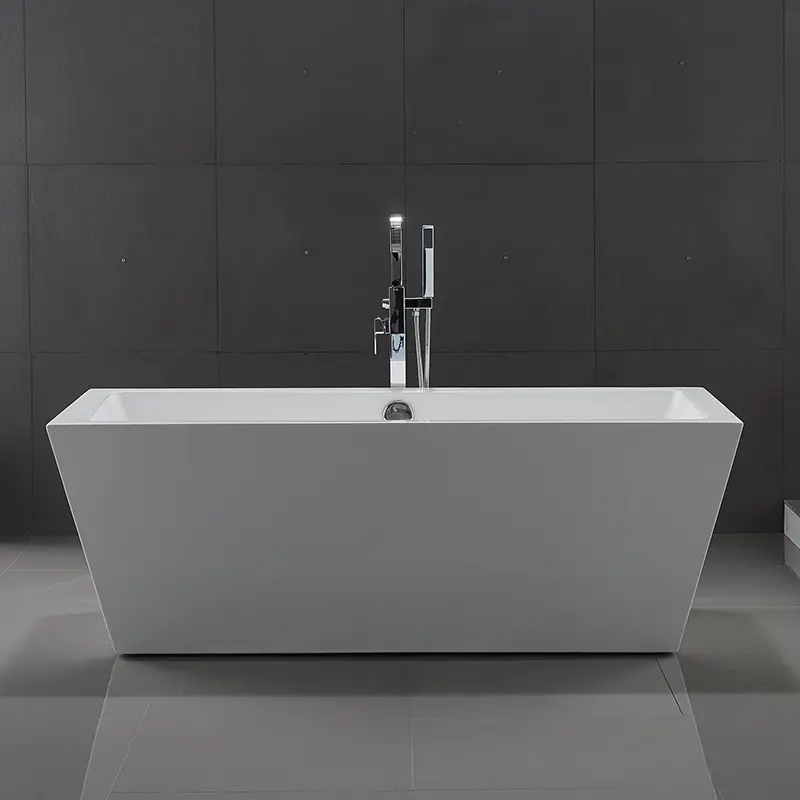
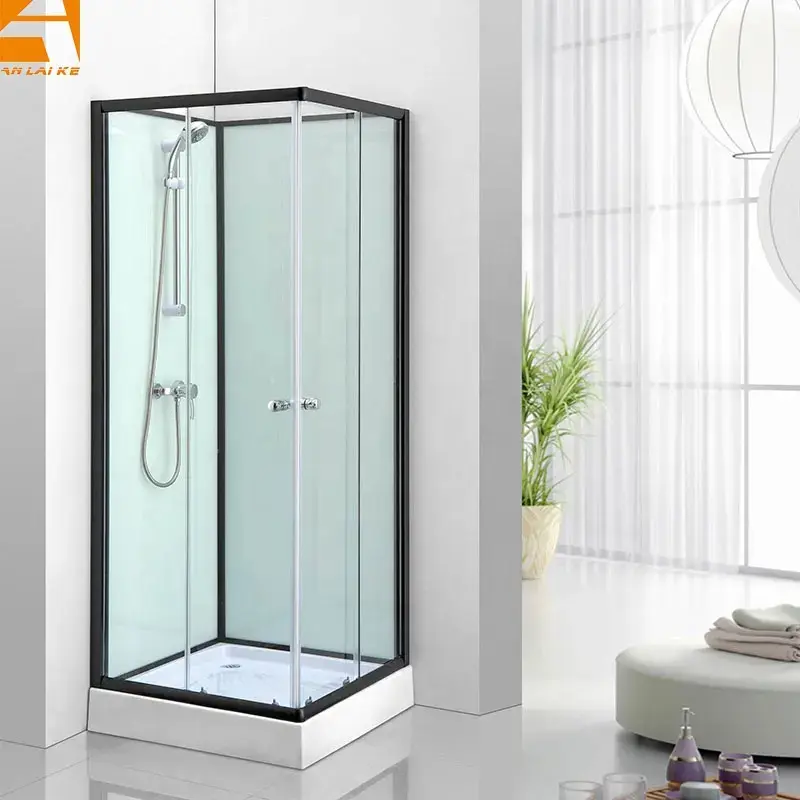
Premium massage bathtubs optimized for space constraints, thermal efficiency, and low-threshold safety required in Japan.
An in-depth analysis of user intent, strict technical requirements, and procurement criteria for importing premium massage bathtubs to Japan.
In Japan, bathing is not merely a hygienic utility; it is a vital daily ritual, deeply rooted in the historical practice of Ofuro and thermal springs (Onsen). This cultural priority translates into a robust residential and commercial market demand for hydrotherapy systems. However, designing and manufacturing massage bathtubs for Japan presents unique engineering challenges. High-density urban architecture in metropolitan areas such as Tokyo, Osaka, and Nagoya demands compact, space-optimized bathtub shapes that fit standard modular system baths (typically configurations like 1216, 1616, or 1620 sizes).
Unlike Western installations where bathtubs are often open-sided, Japanese unit baths rely on integrated panels and highly specialized drainage configurations. Manufacturers must produce acrylic bathtubs that maximize internal volume while maintaining minimal external footprints. Furthermore, bathtubs must feature exceptional thermal insulation properties. In traditional households, multiple family members reuse the same bath water successively, making water temperature retention a critical performance indicator. Our high-density cast acrylic shells, reinforced with double-layered fiberglass, provide the high thermal mass and insulation characteristics required to satisfy the strict expectations of the Japanese market.
The Japanese sanitary market is currently defined by three key technological shifts:
By designing smart massage bathtubs equipped with Bluetooth connectivity, automated self-drainage systems, and silent whirlpool pumps, manufacturers can easily align with these progressive market requirements.
Select from our ISO 9001:2000 certified sanitary collection, tailored for premium hotel suites, wellness centers, and luxury developments.
Analyzing Hangzhou Kaifeng Sanitary Ware Co., Ltd.’s precision manufacturing framework and cost-efficiency matrices for international buyers.
Established in 2005, Hangzhou Kaifeng Sanitary Ware Co., Ltd. has evolved into a key partner for global distributors, builders, and developers. Based in the Xiaoshan District of Hangzhou, our facility produces high-grade sanitary equipment under a strict ISO 9001:2000 Quality Management System. Our manufacturing capabilities include:
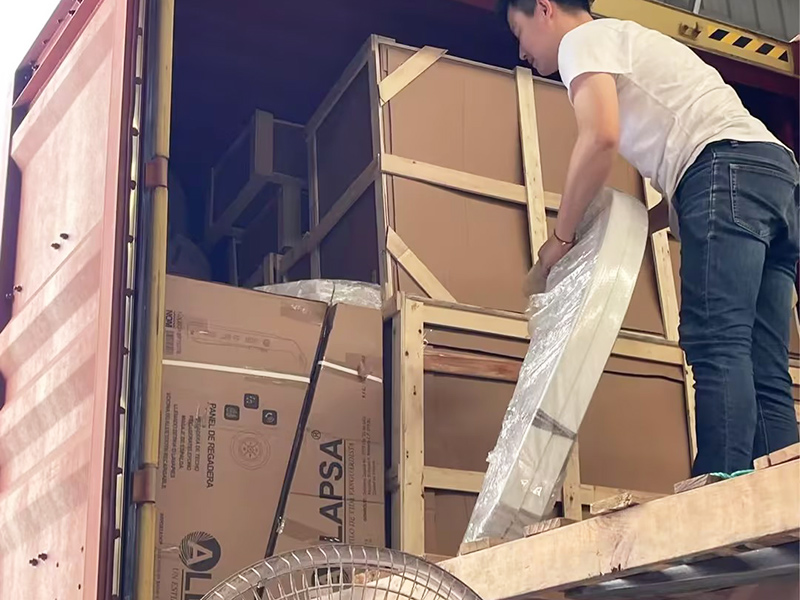
With over 80% of our products exported to mature markets including the USA, Canada, the UK, Germany, and the Middle East, our team possesses a deep understanding of international compliance, export documentation, and global supply chain logistics. Proximity to Ningbo and Shanghai ports allows us to optimize transport pathways, providing reliable transit schedules to Japanese ports like Yokohama, Tokyo, and Kobe.
Compliant with international and regional quality management frameworks, verifying our focus on safety, durability, and reliable manufacturing.
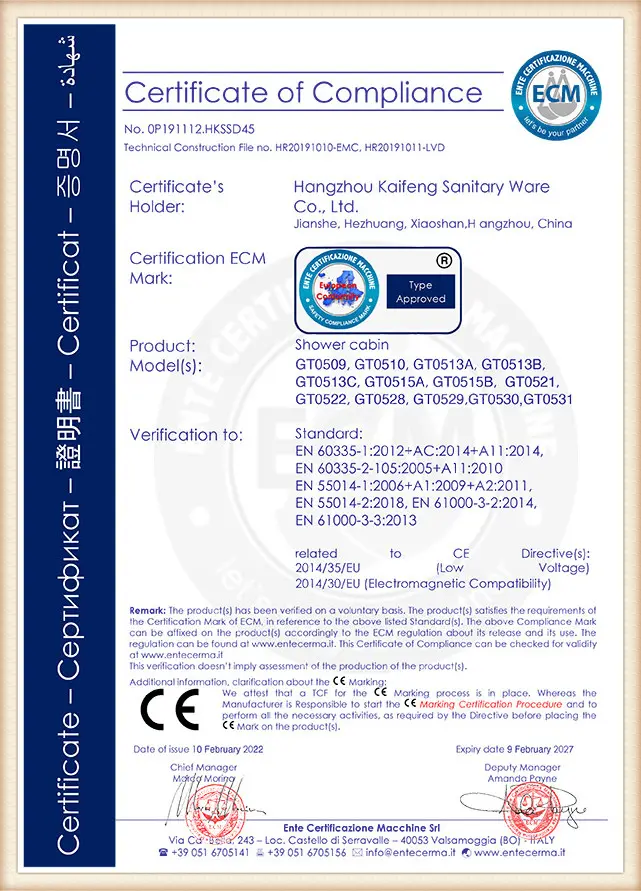
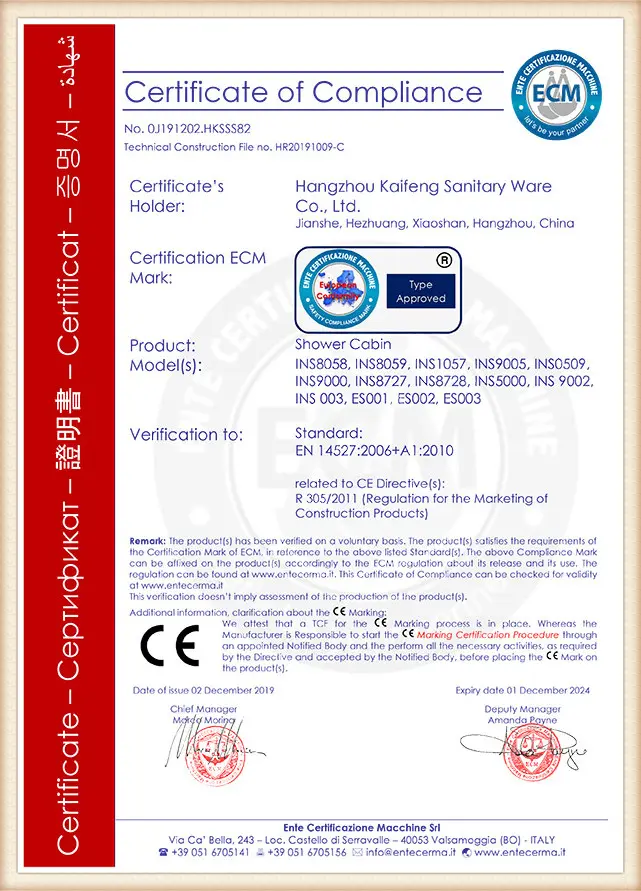
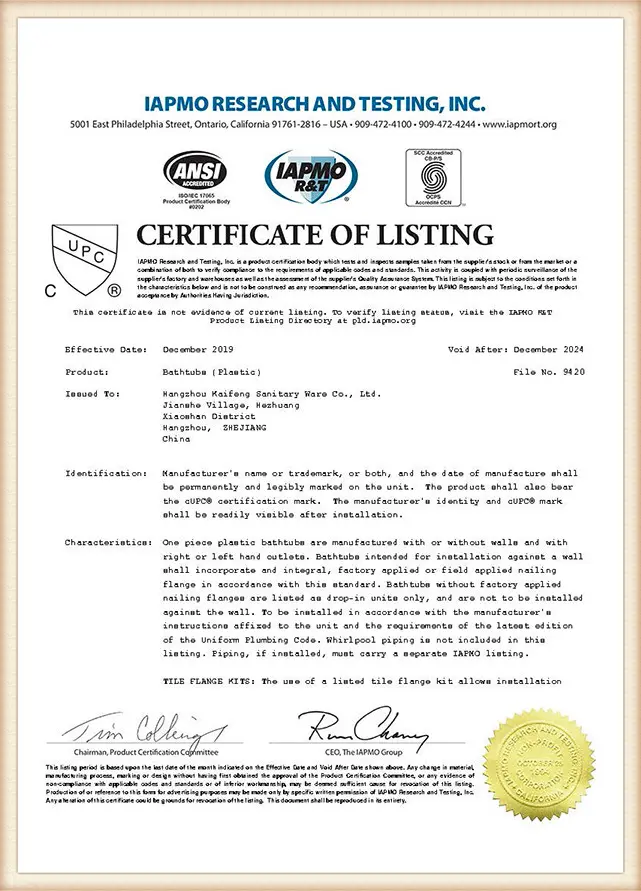
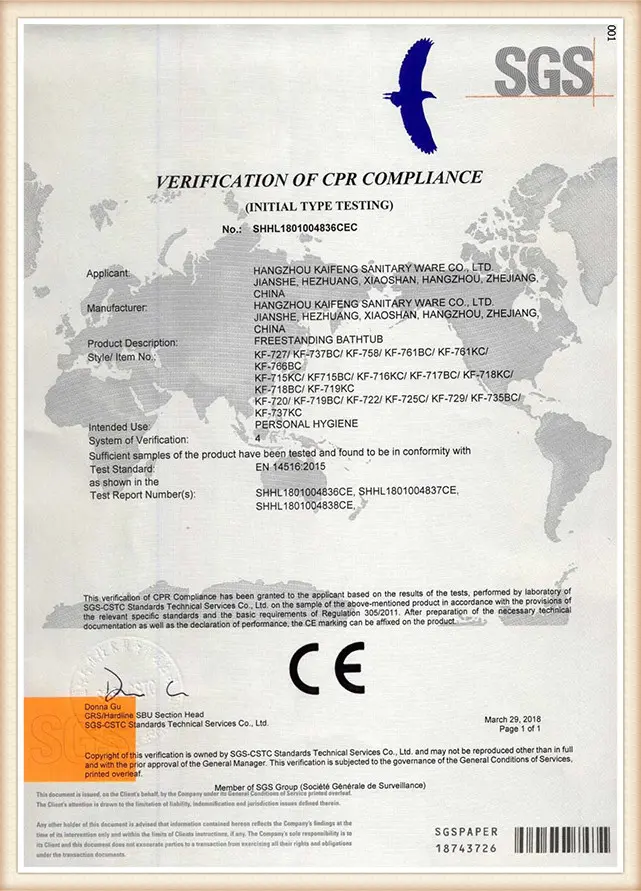
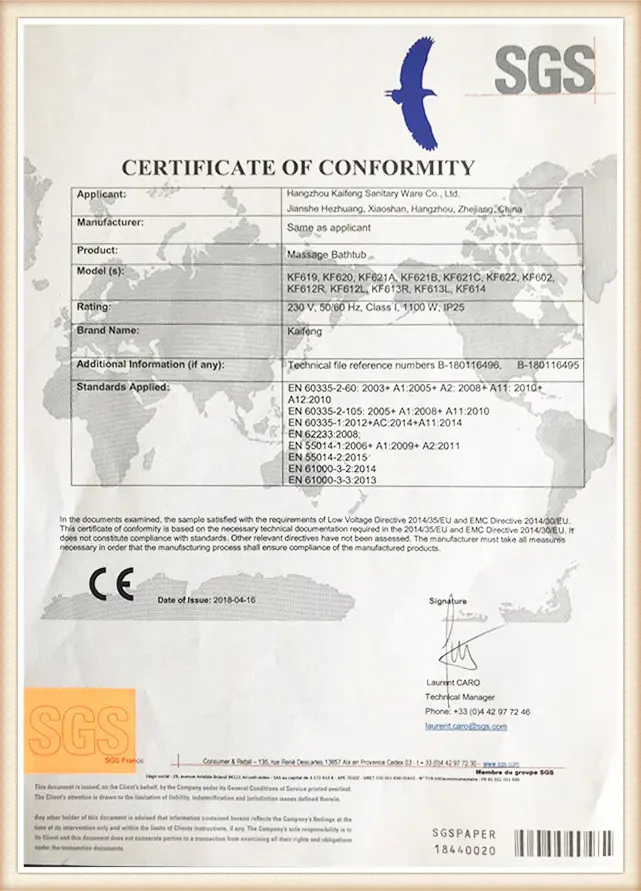
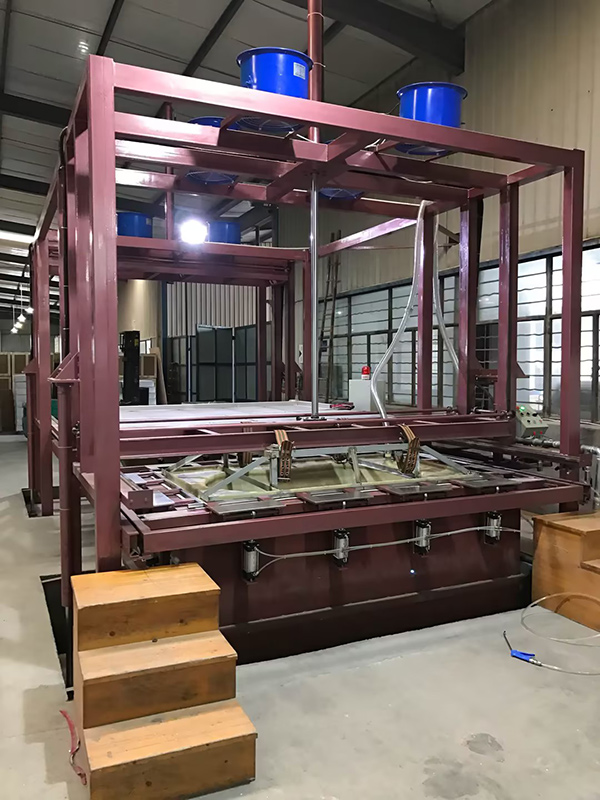
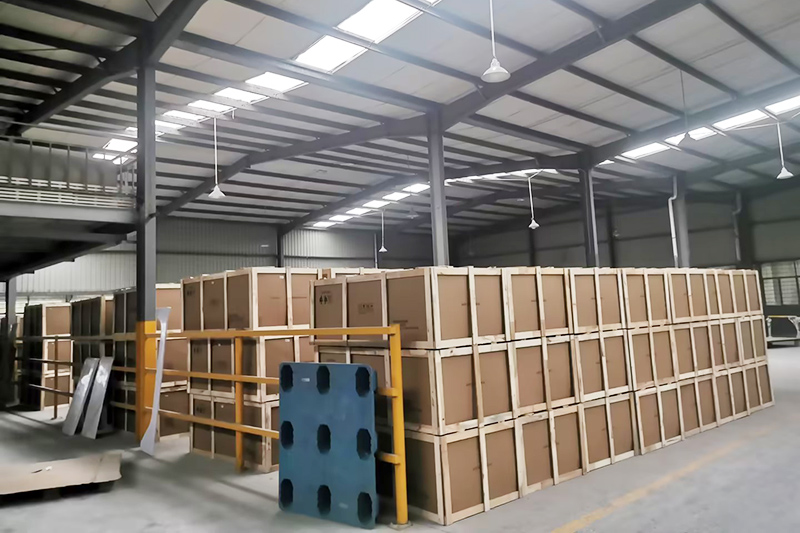
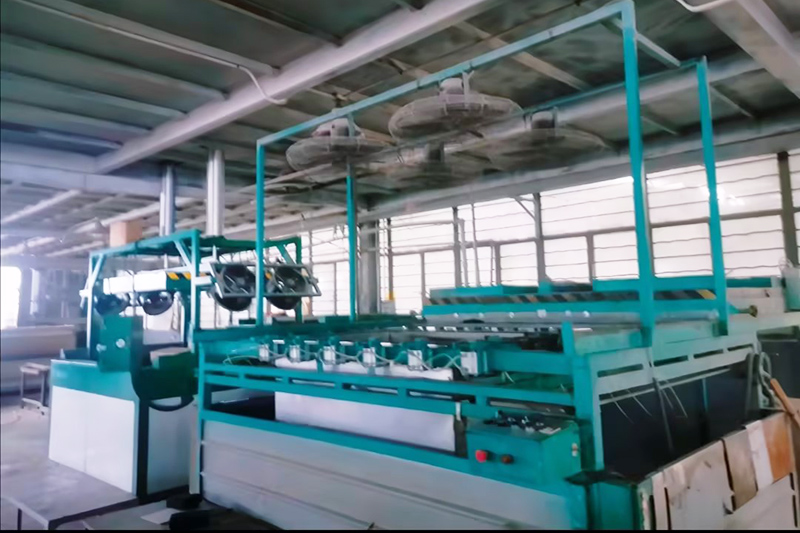
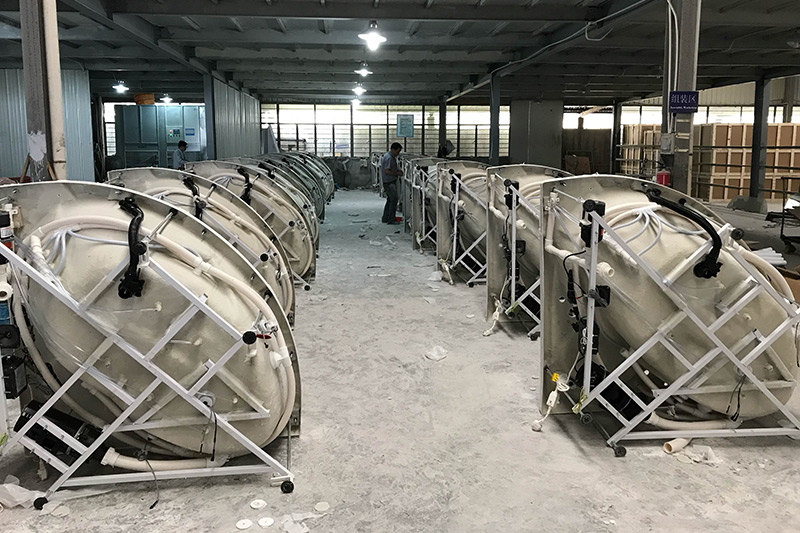
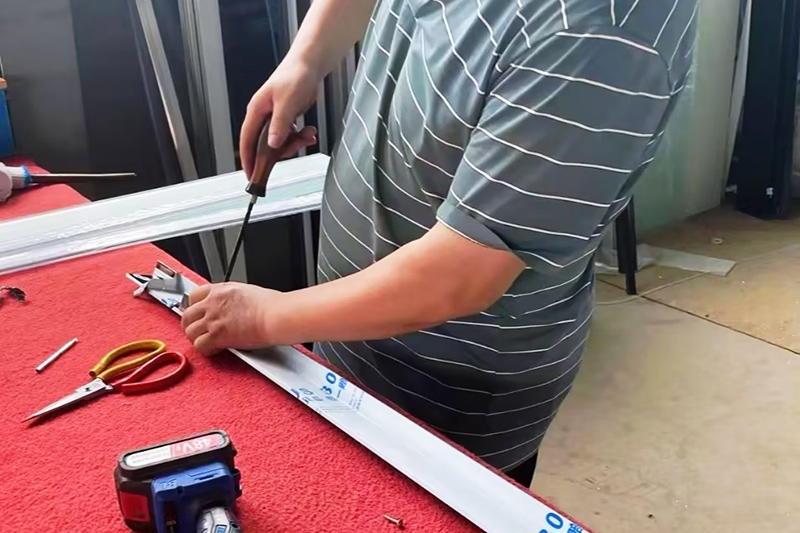
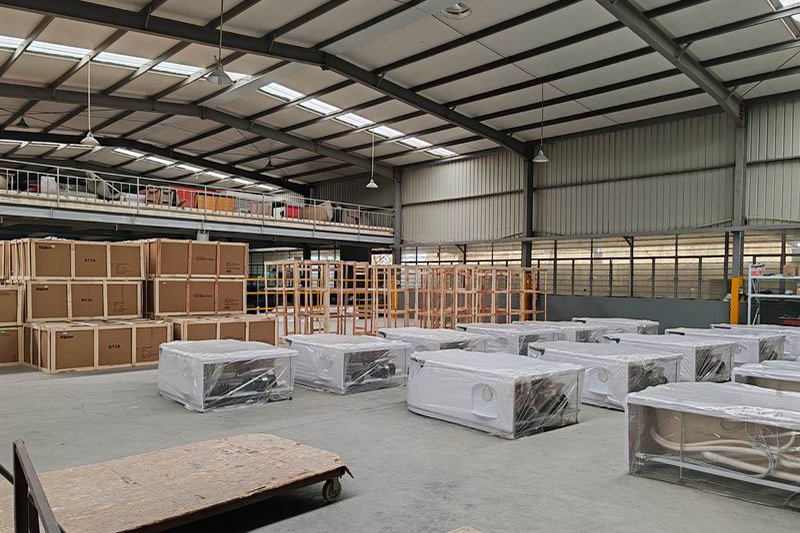
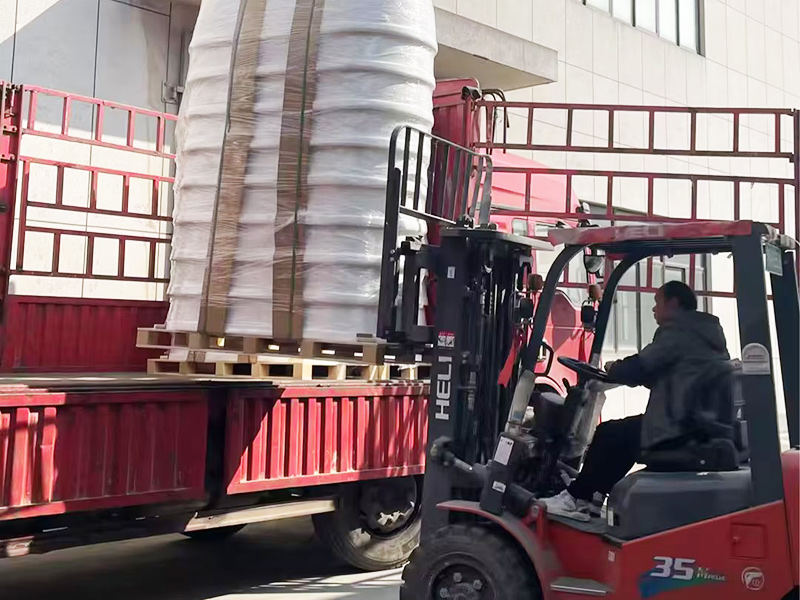
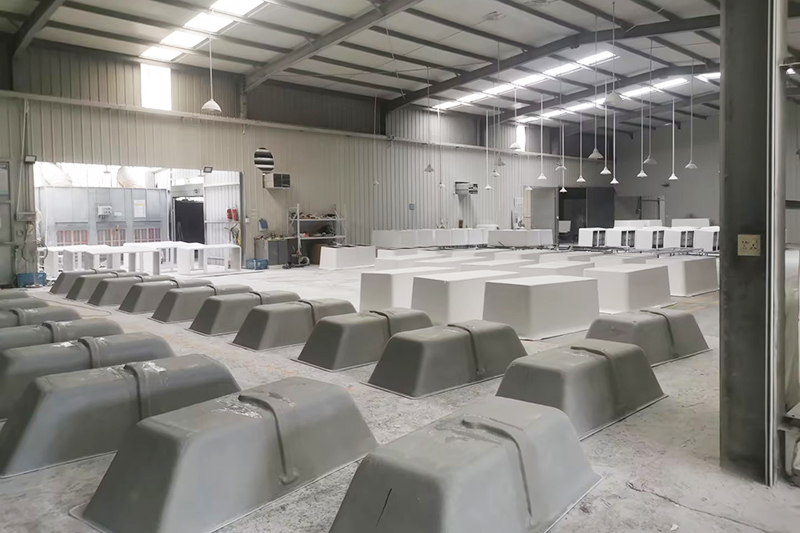
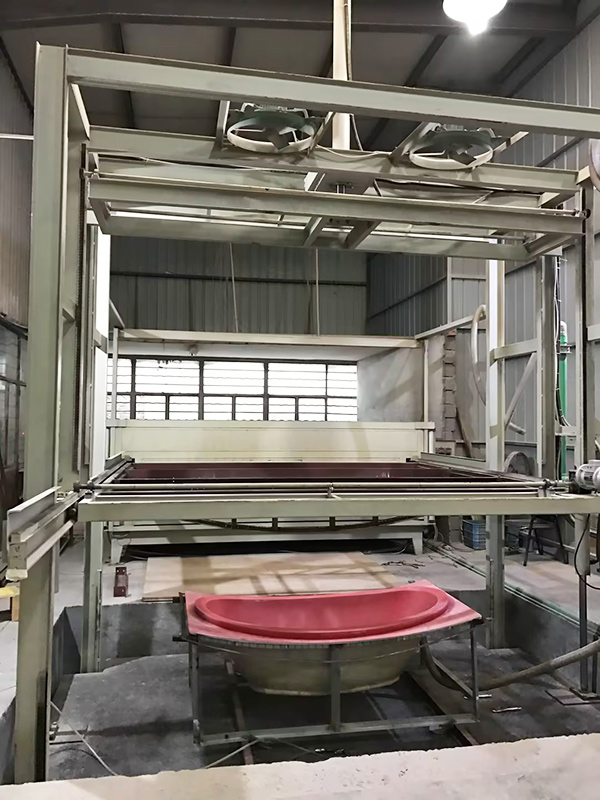
A transparent look at our production floor in Xiaoshan District, Hangzhou, featuring state-of-the-art thermoforming, structural reinforcement, and testing stations.
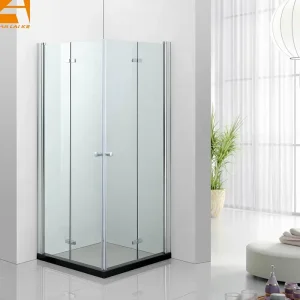
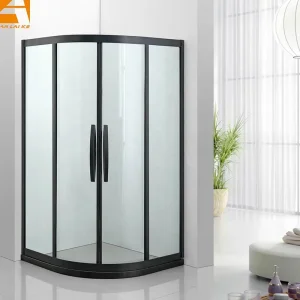
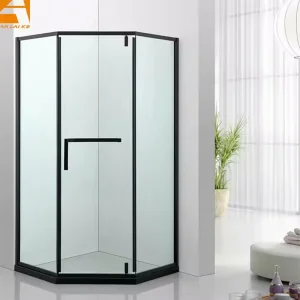
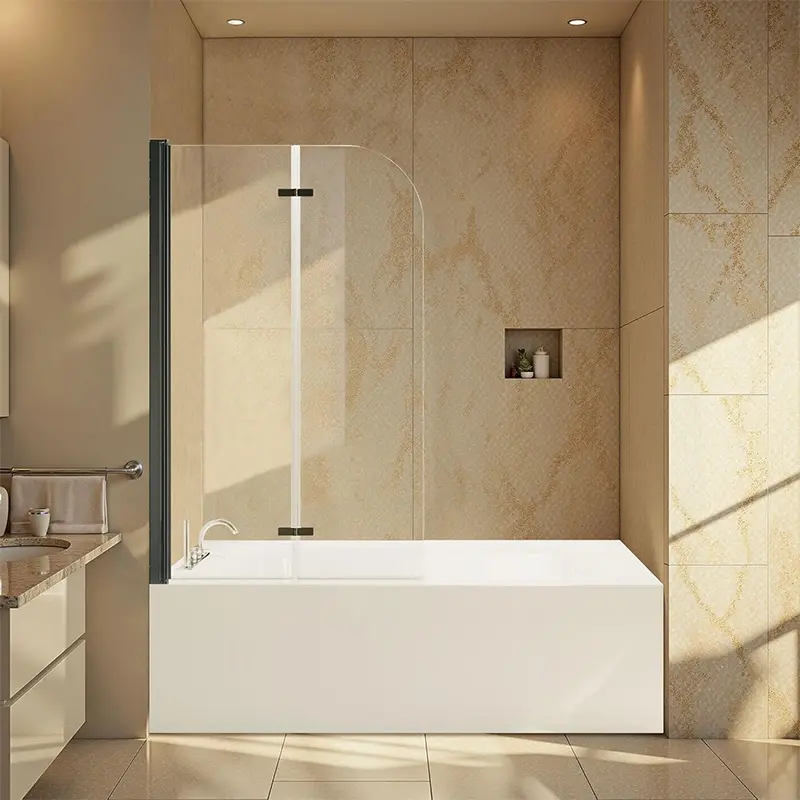
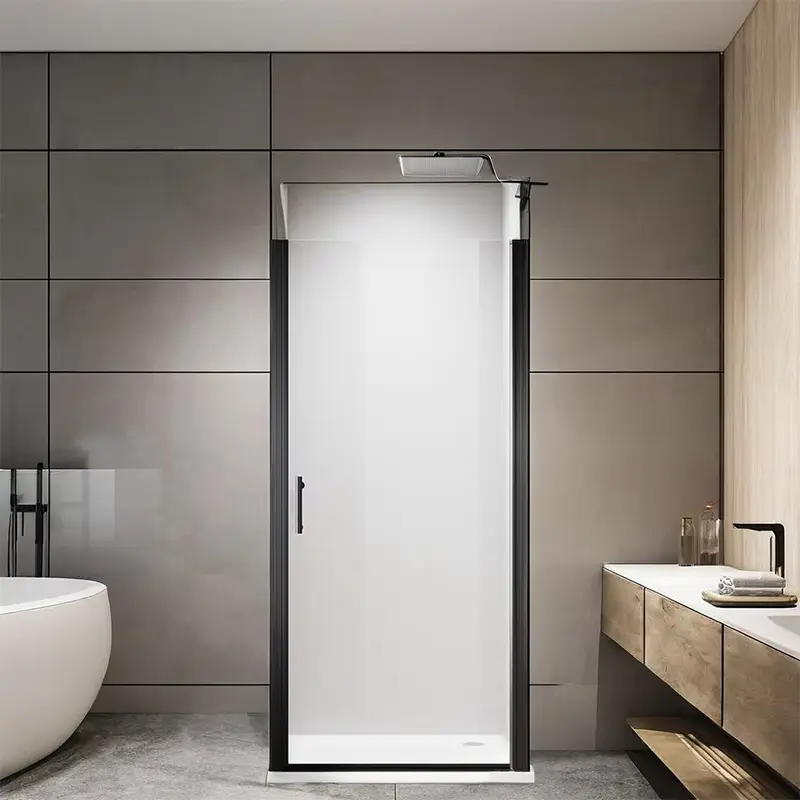
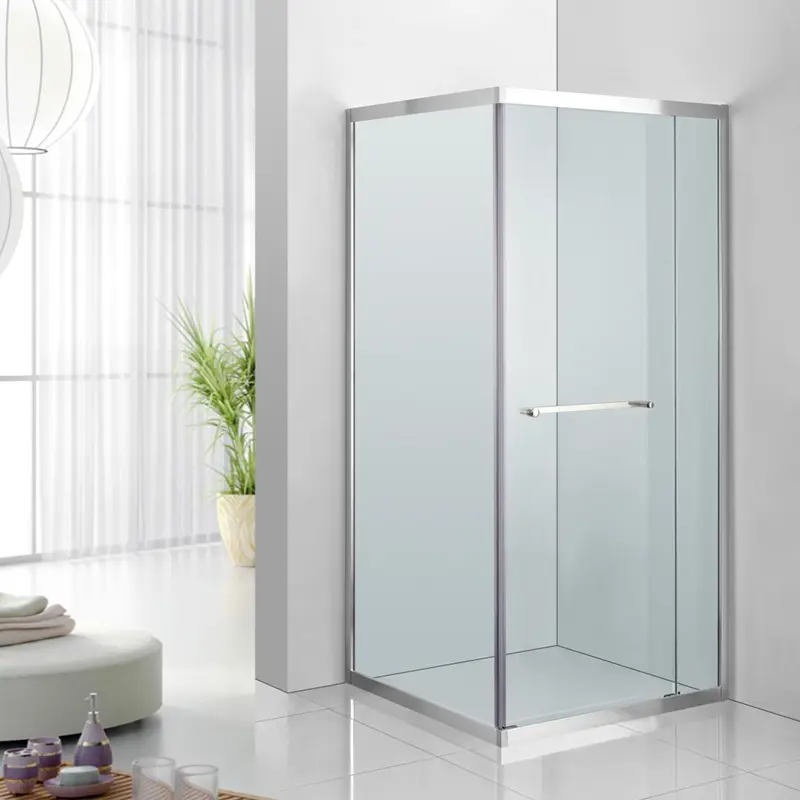
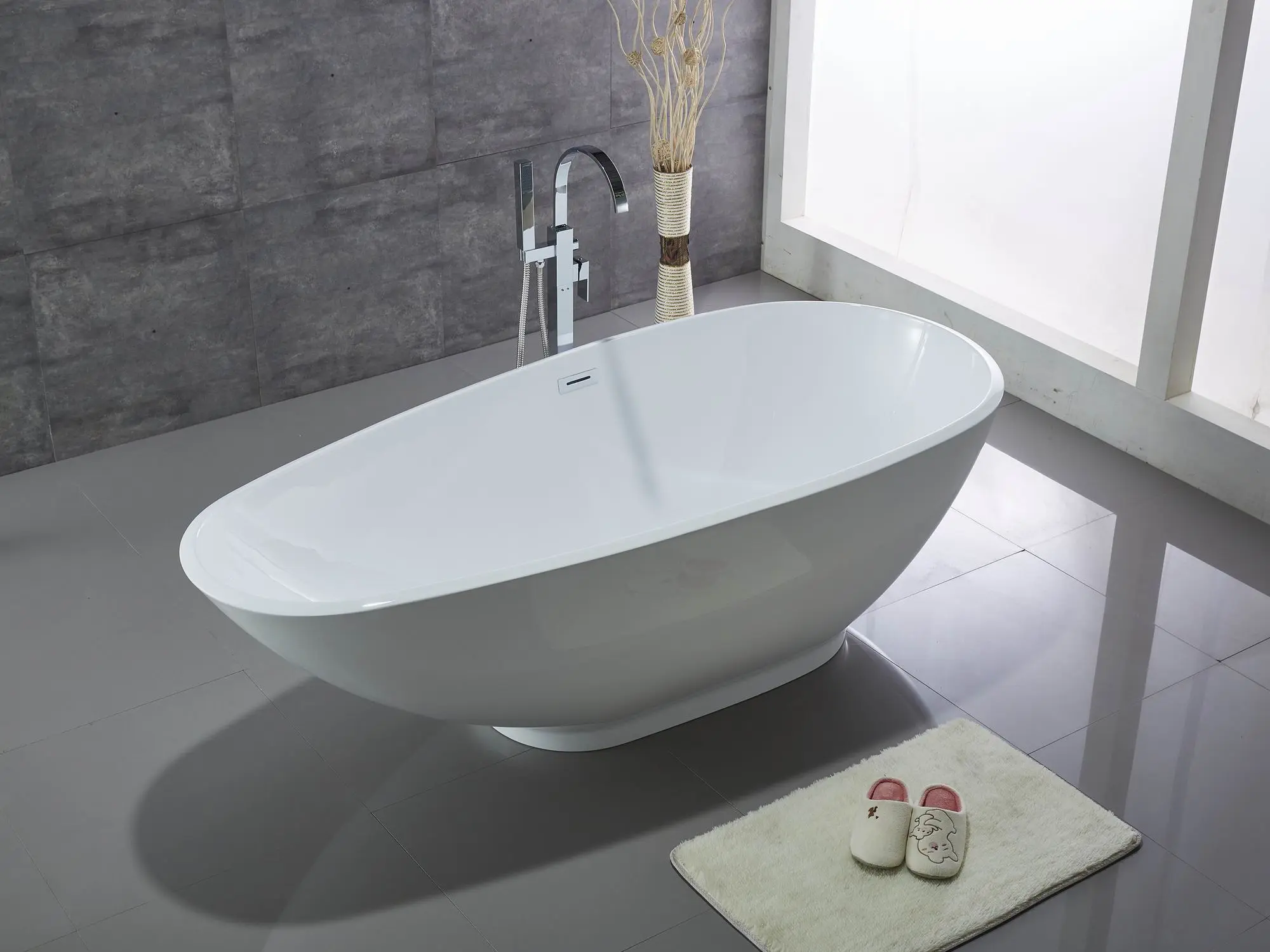
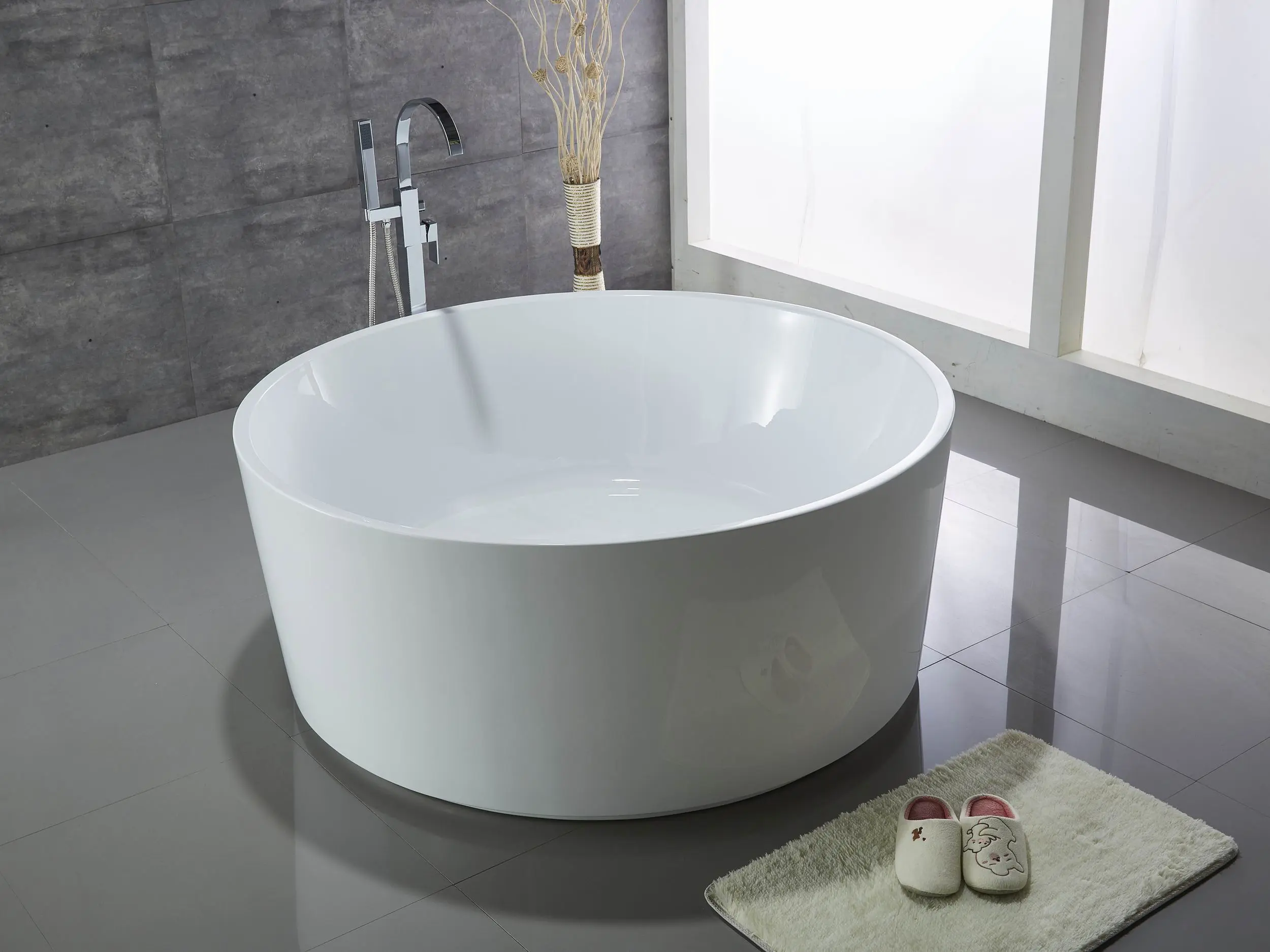
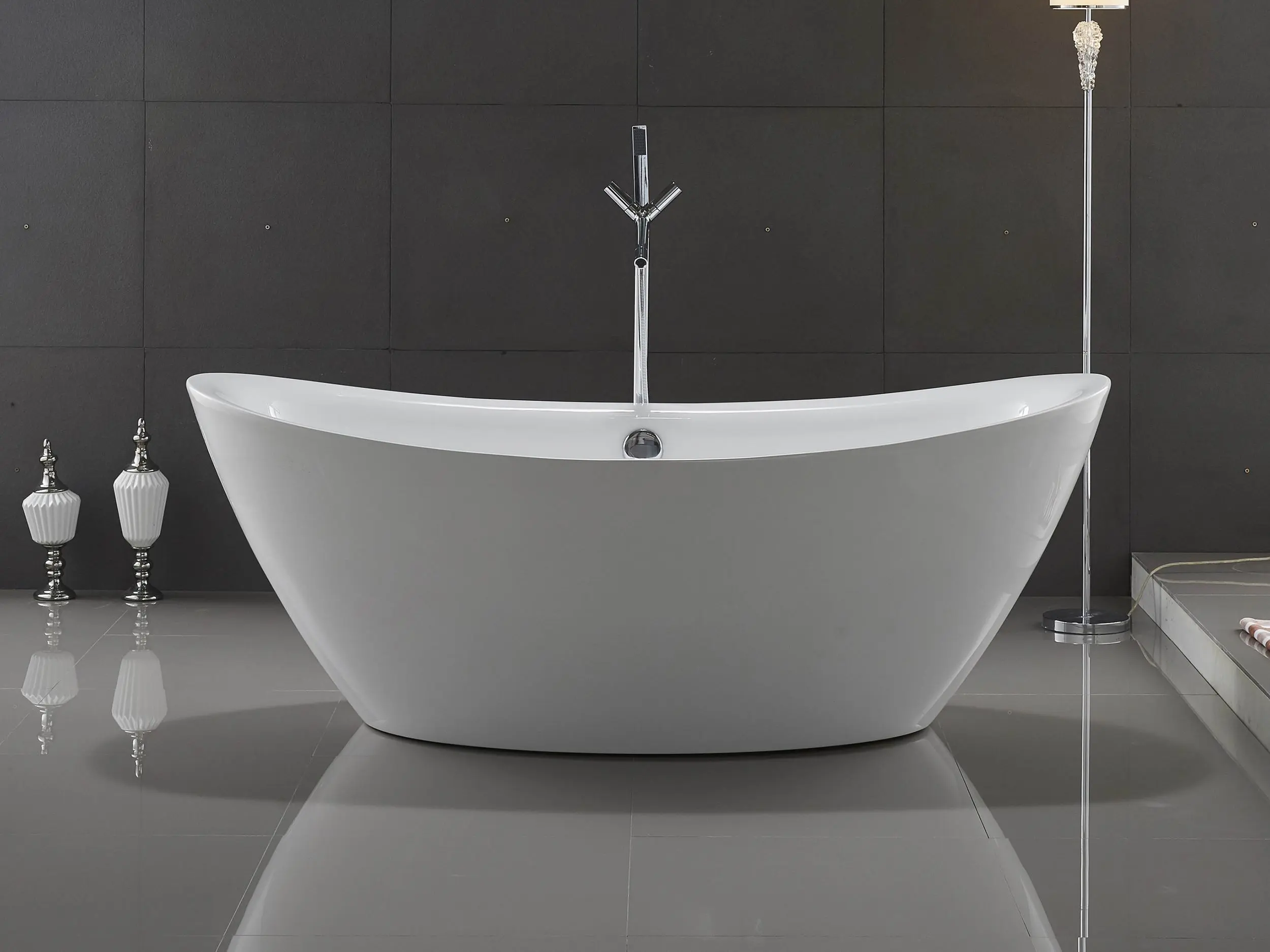
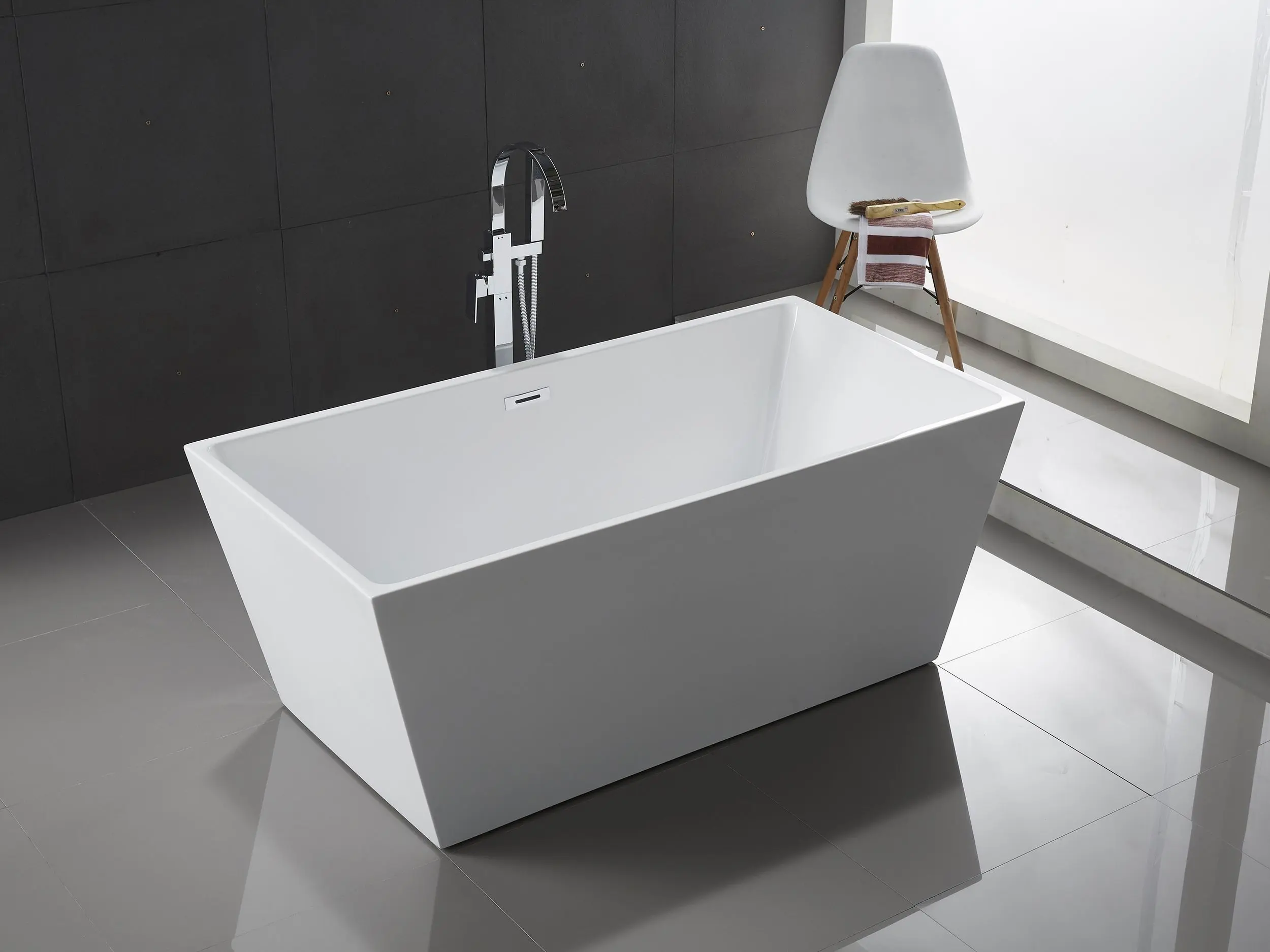
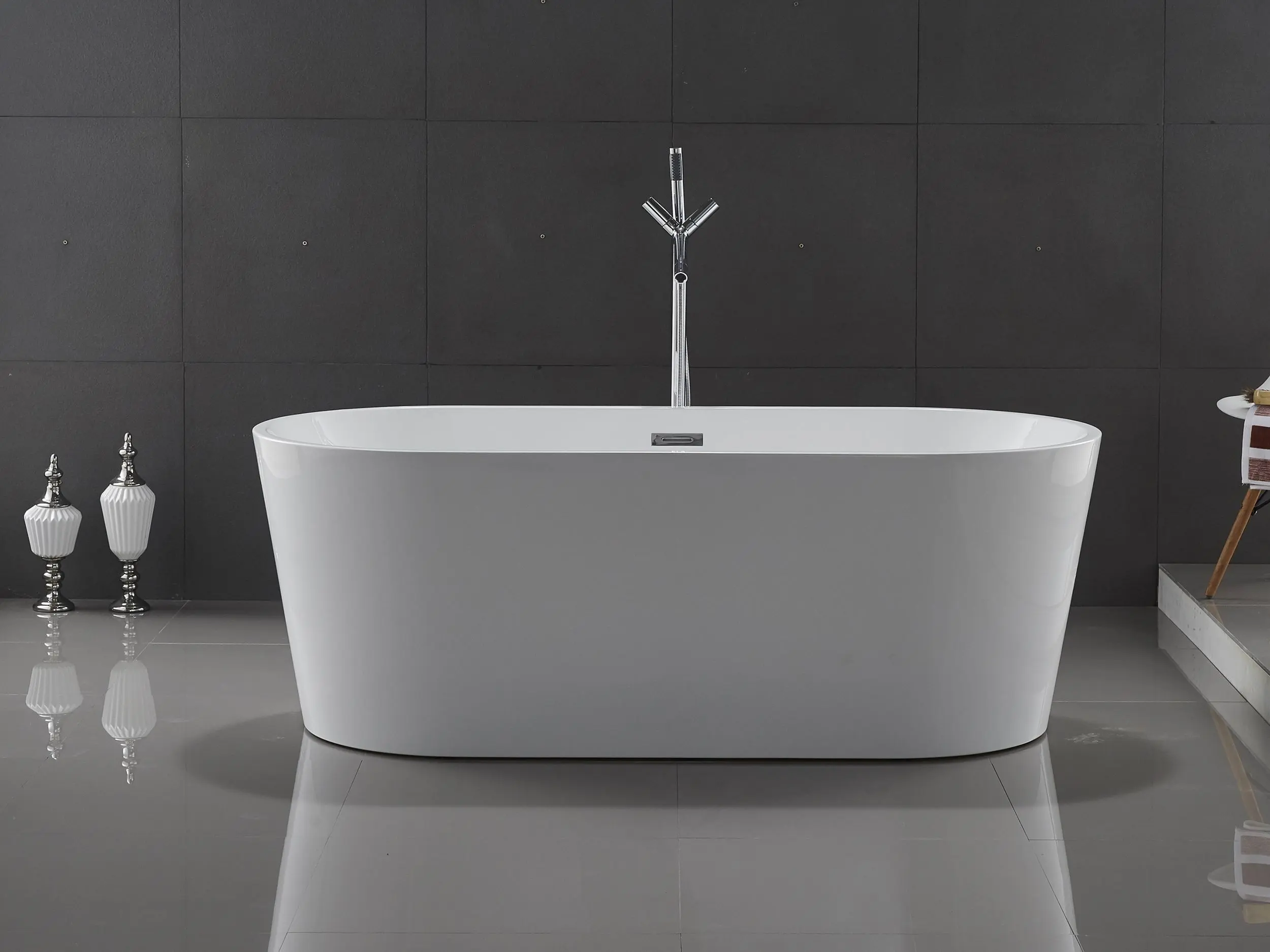
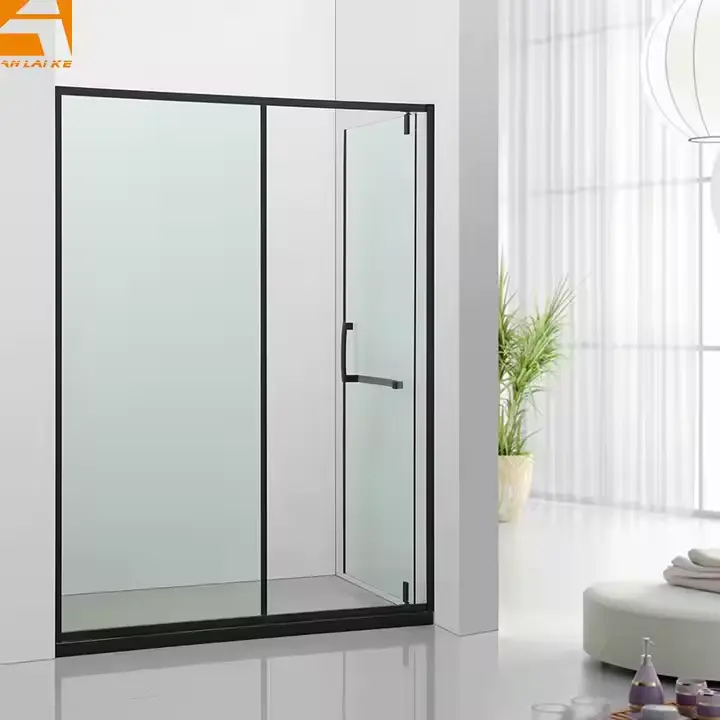
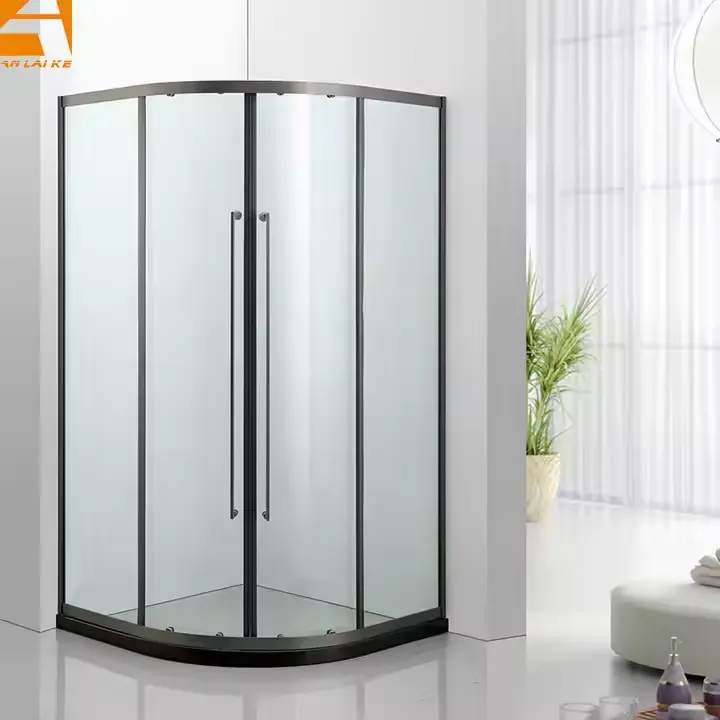
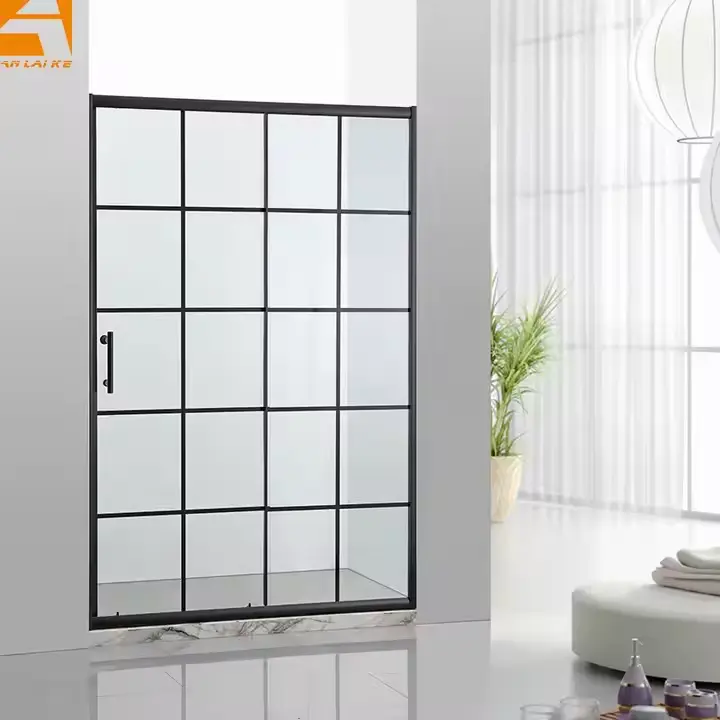
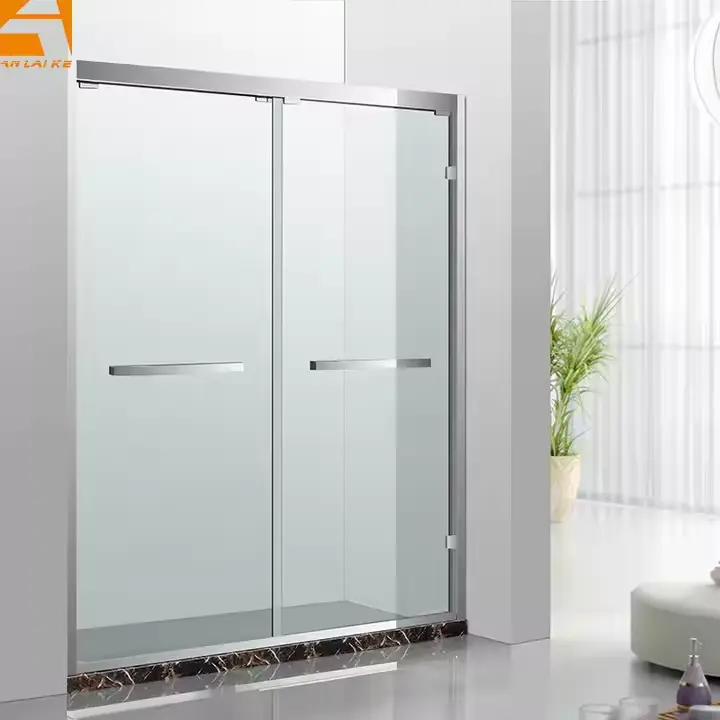
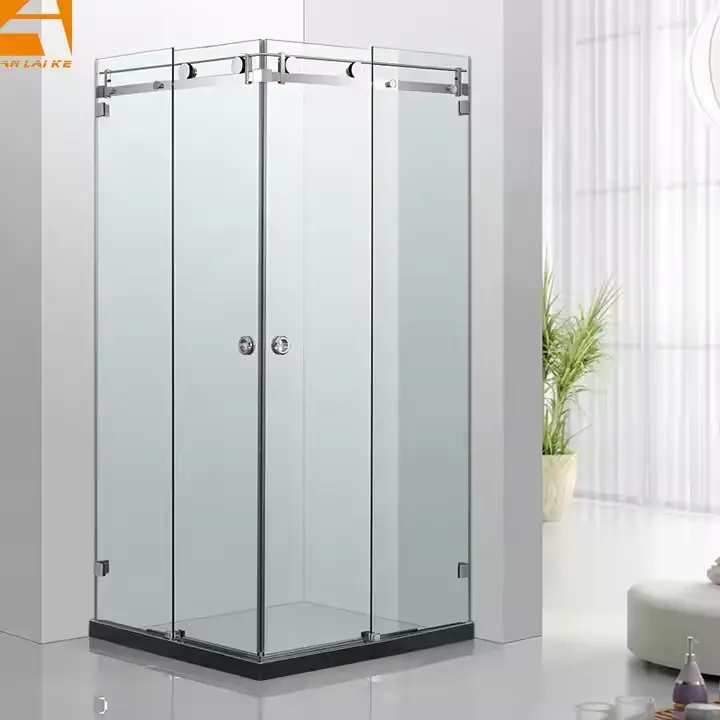
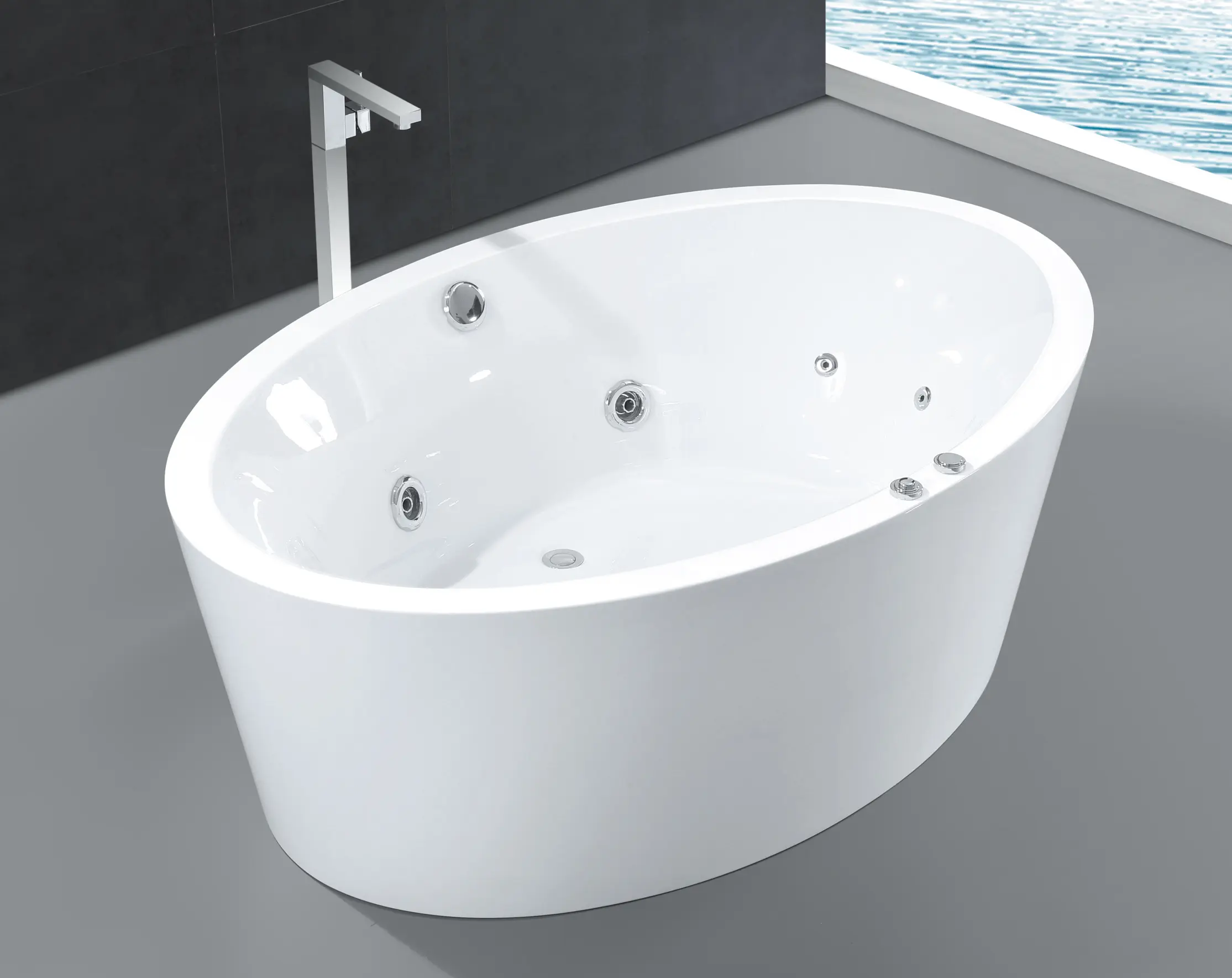
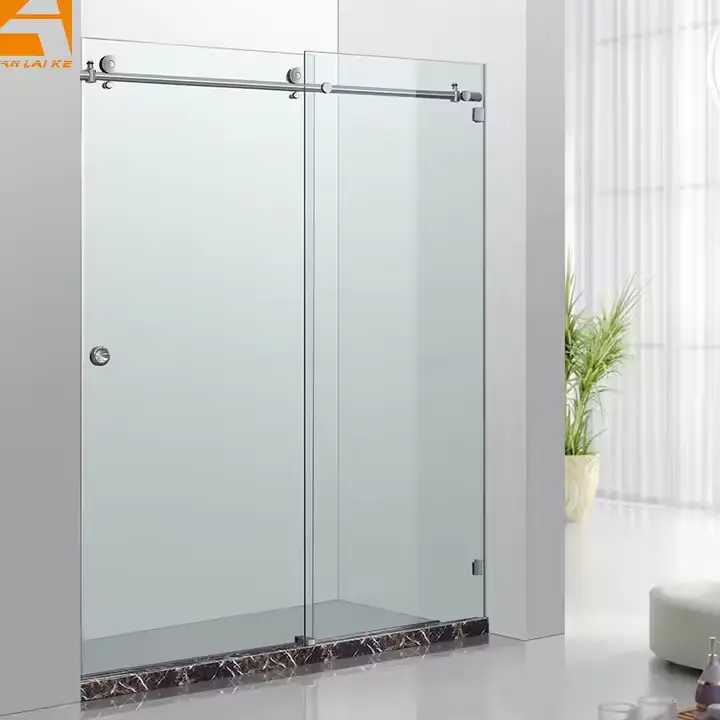
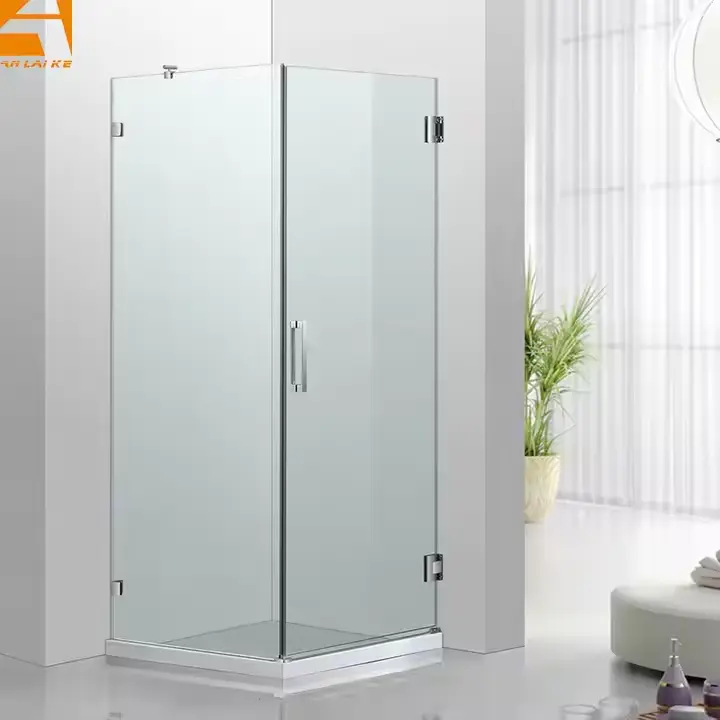
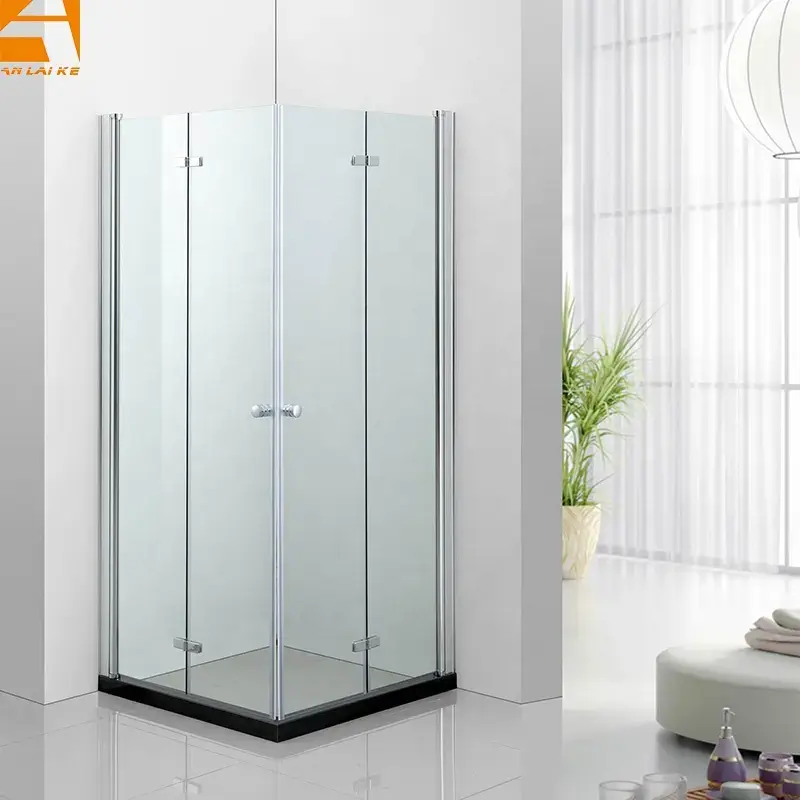
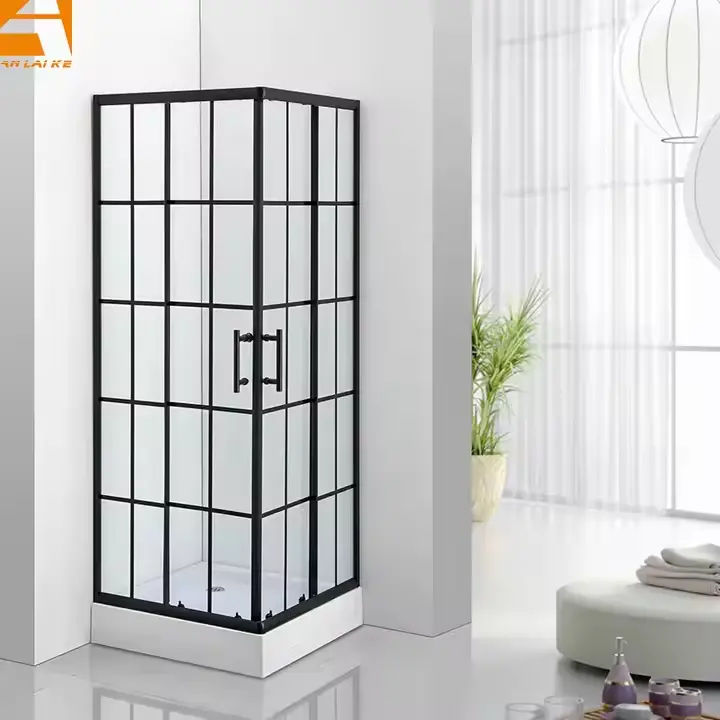
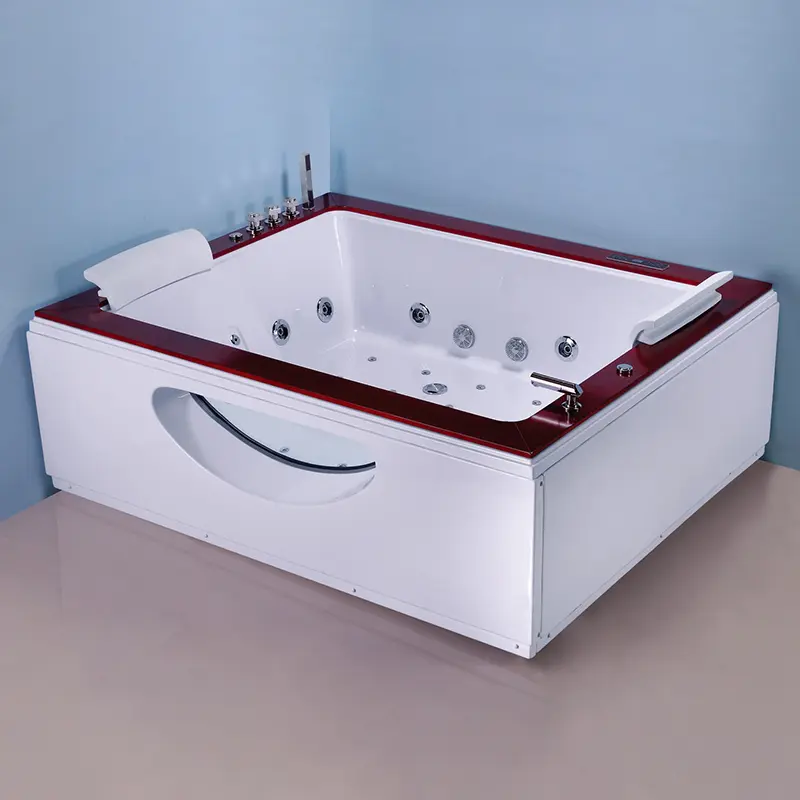
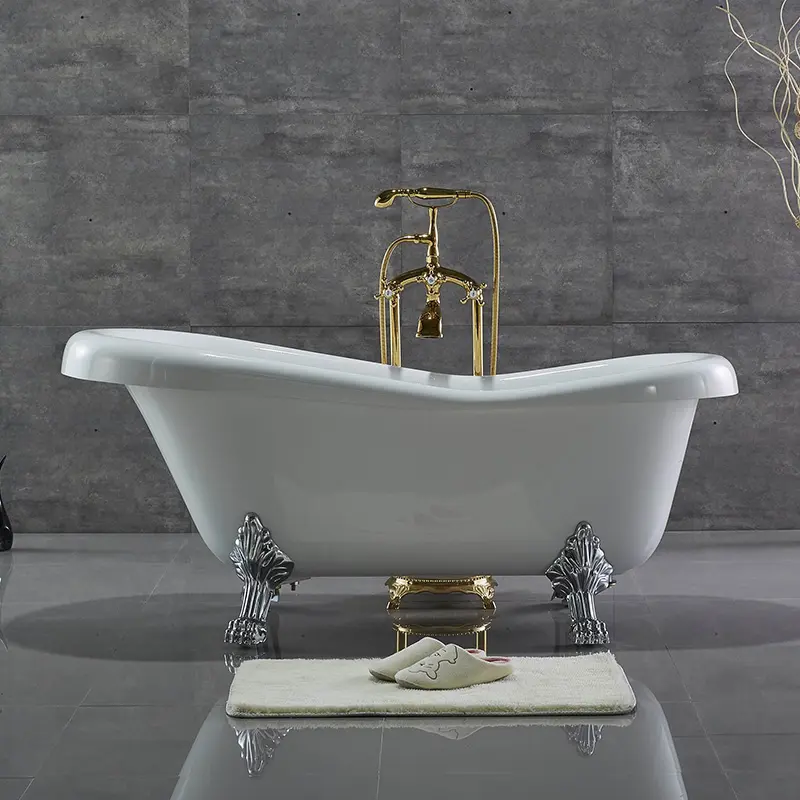
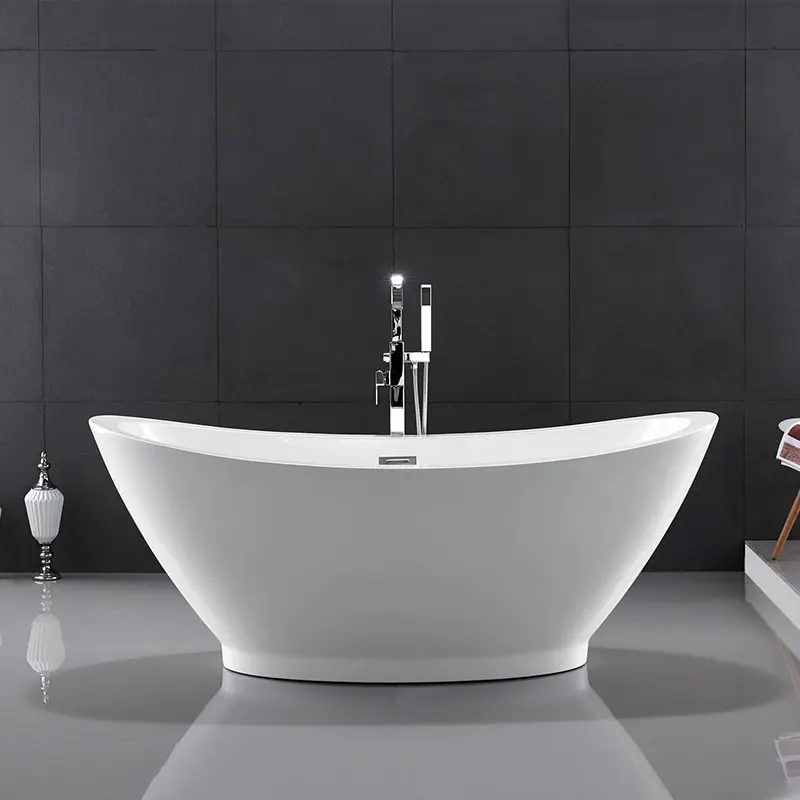
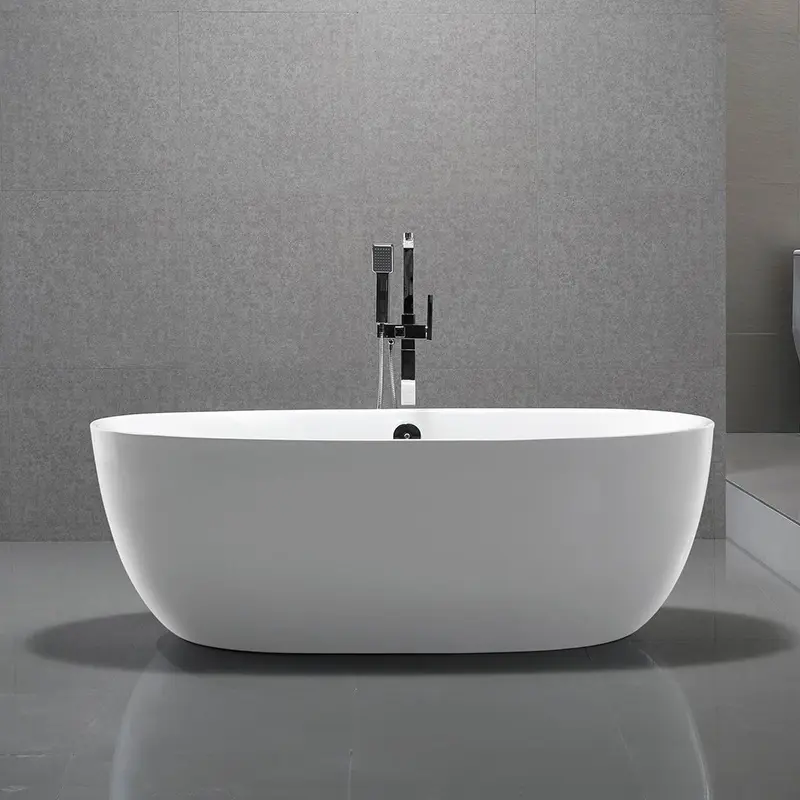
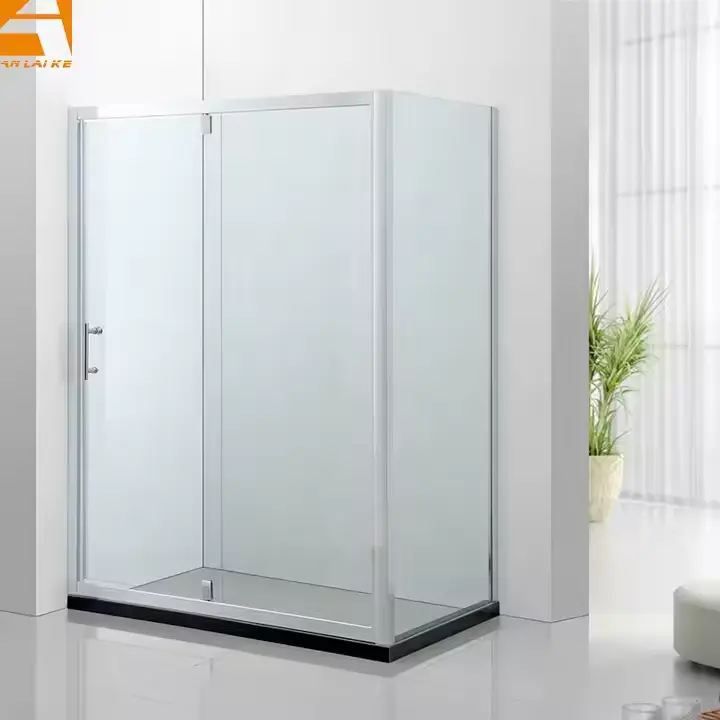
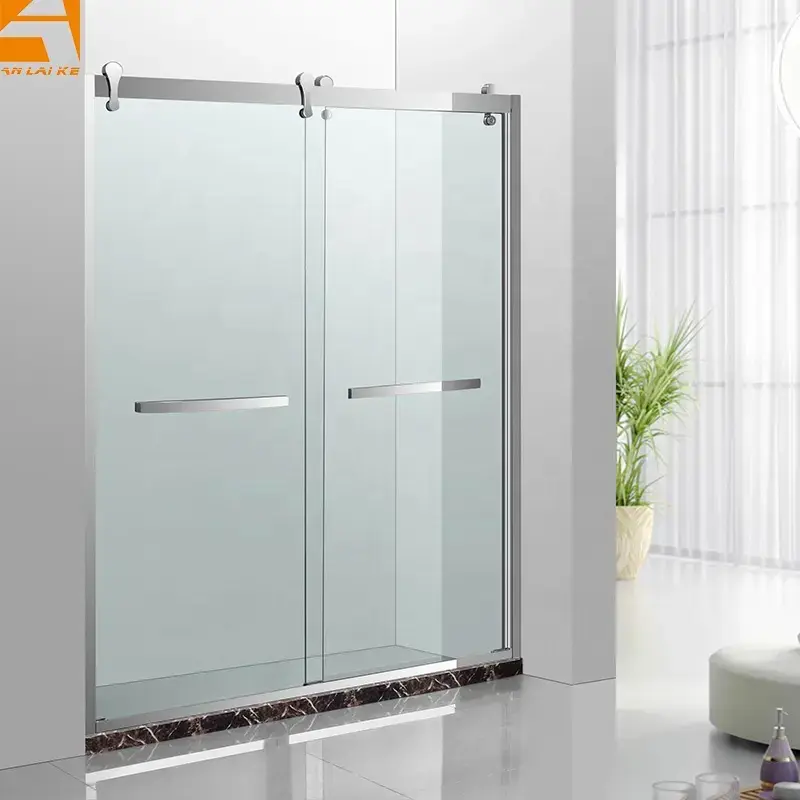
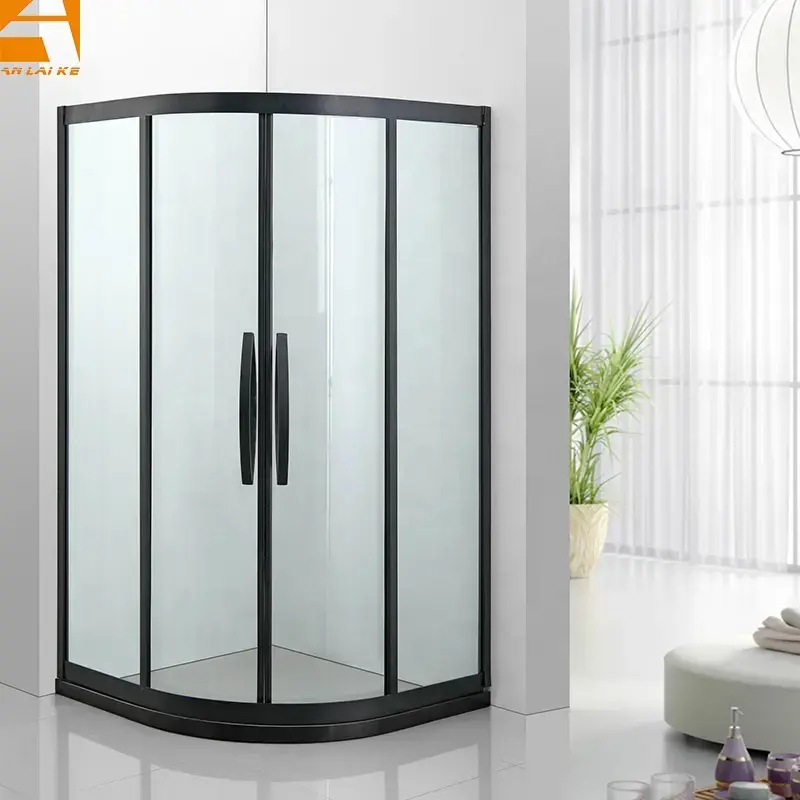
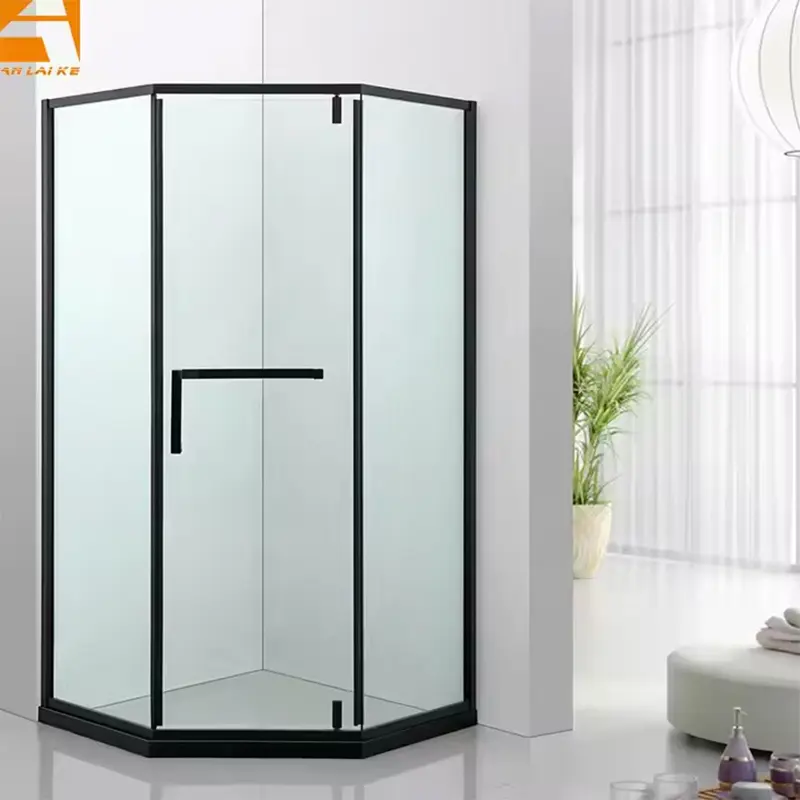
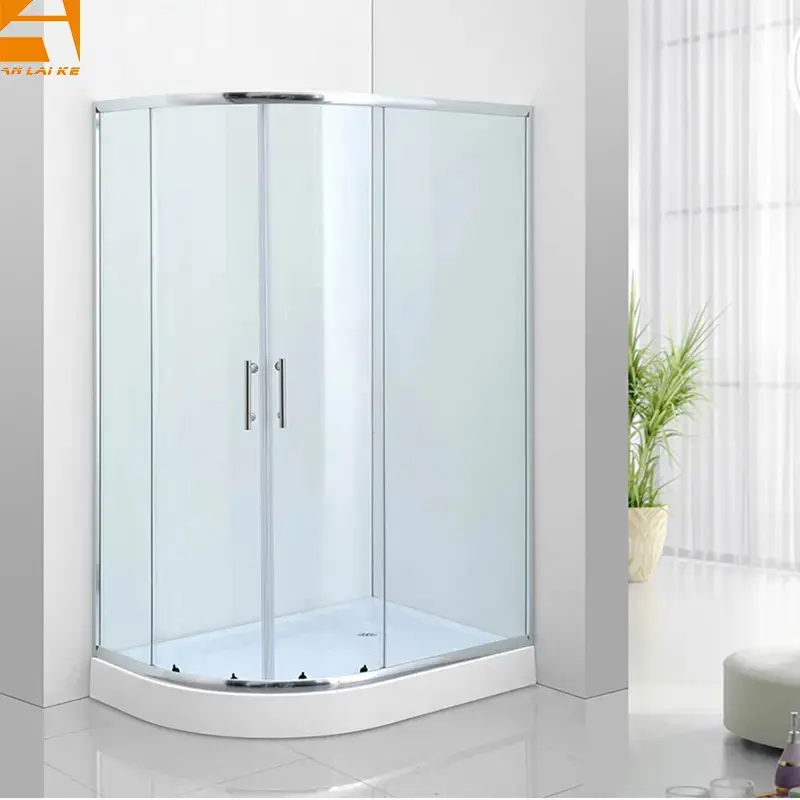
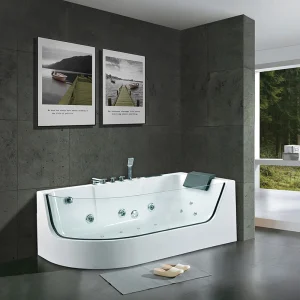
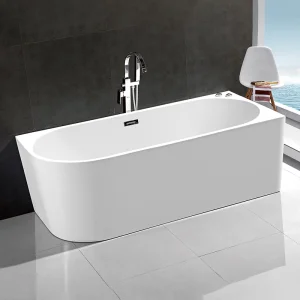
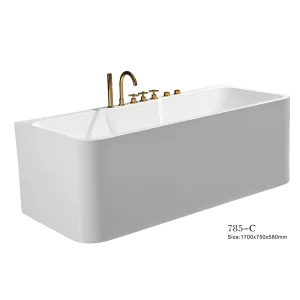
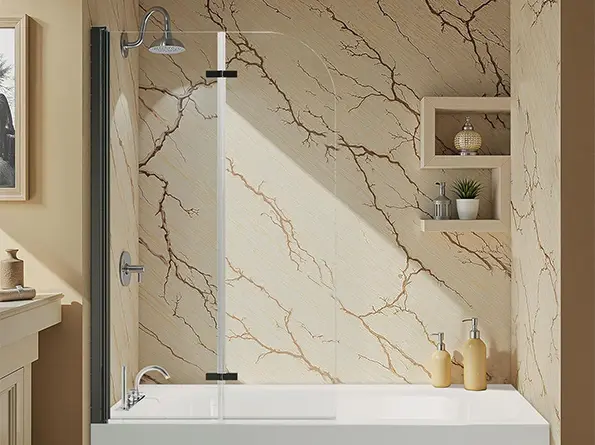
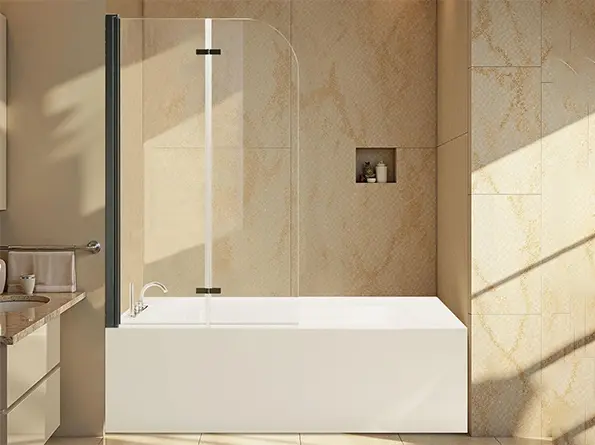
Explore our full range of products, including modern sliding glass enclosures, folding doors, and premium acrylic freestanding tubs.
Analyzing the target environments where our high-performance hydrotherapy bathtubs deliver maximum value and structural compatibility.
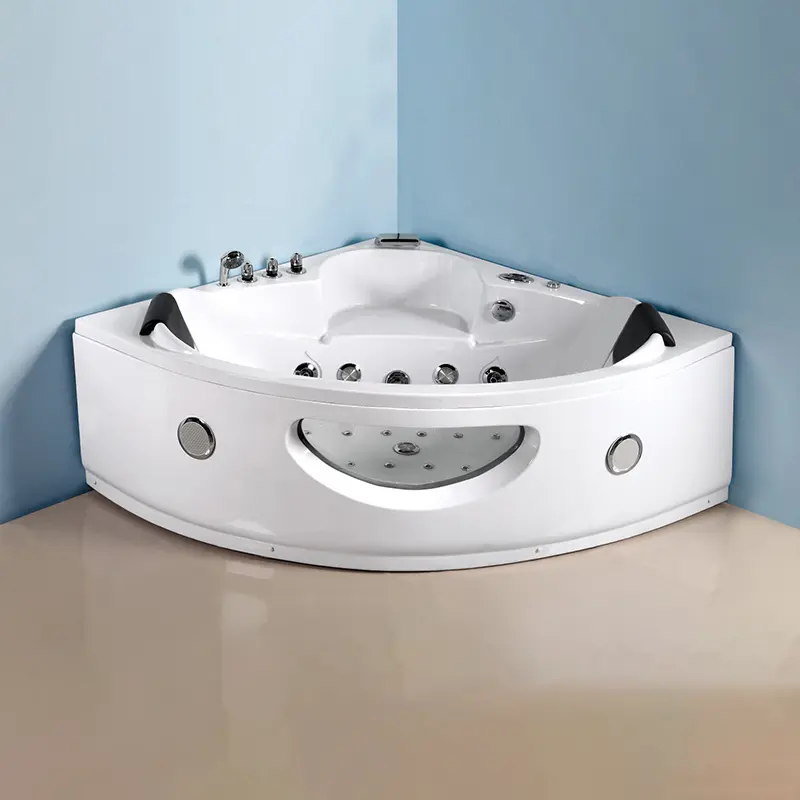
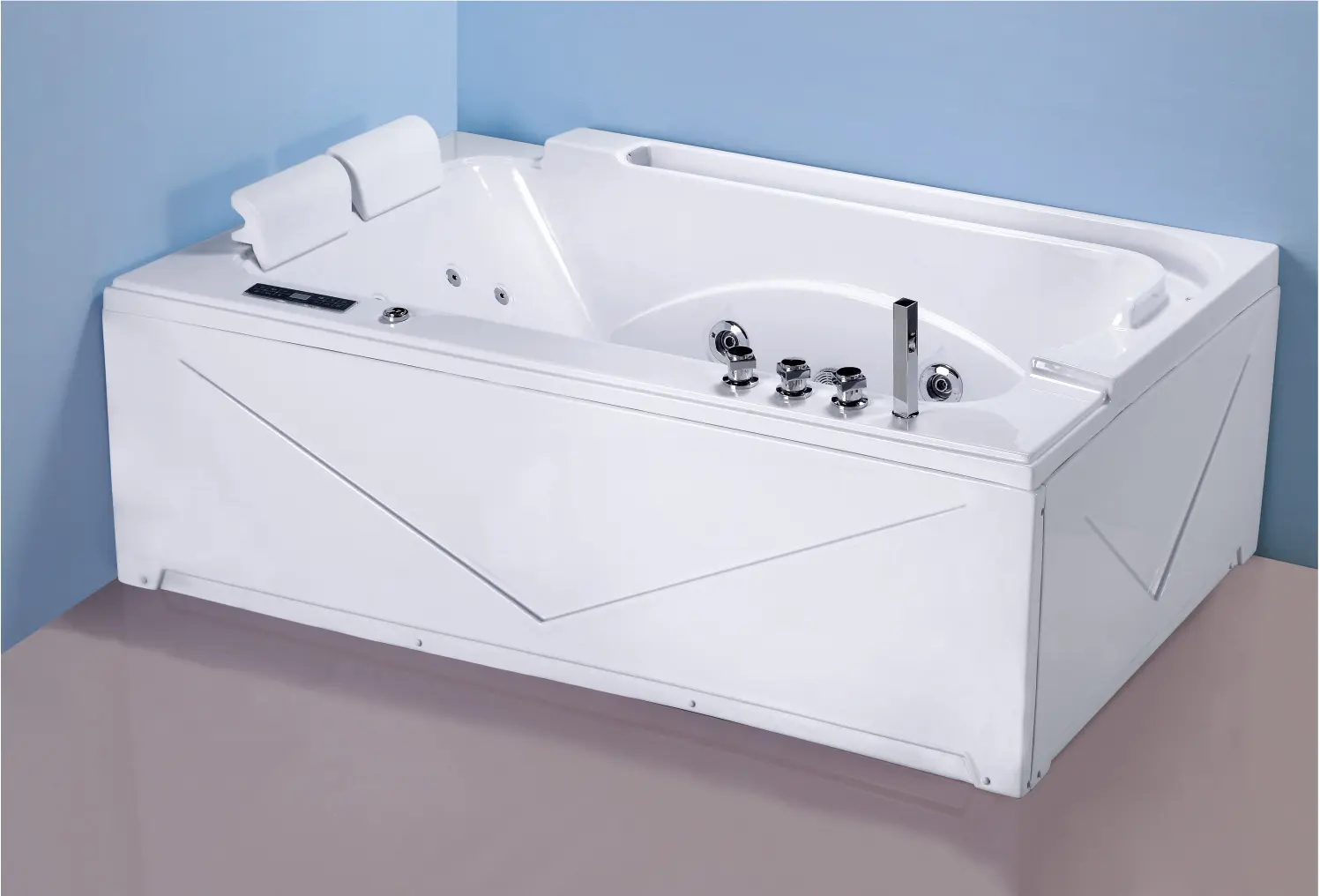
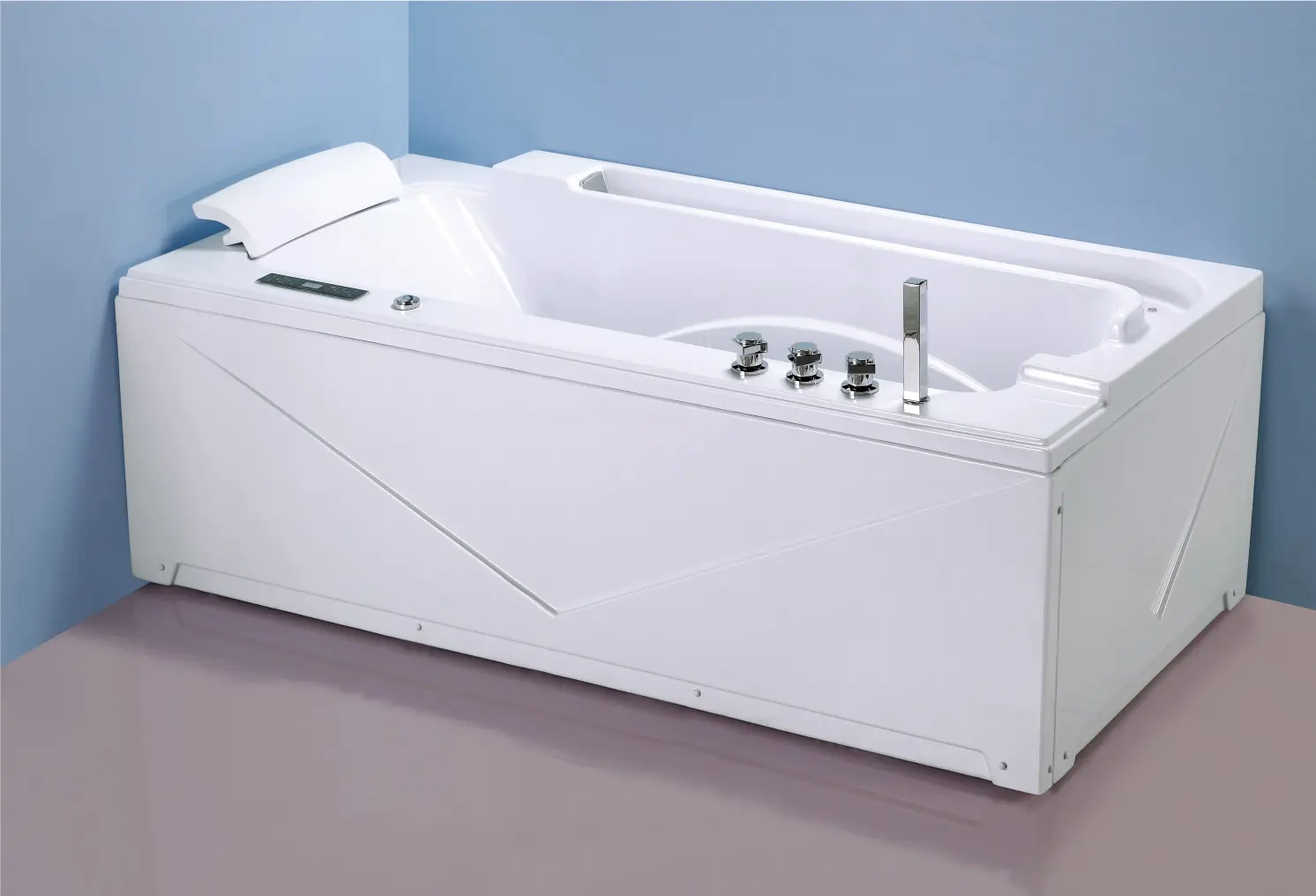
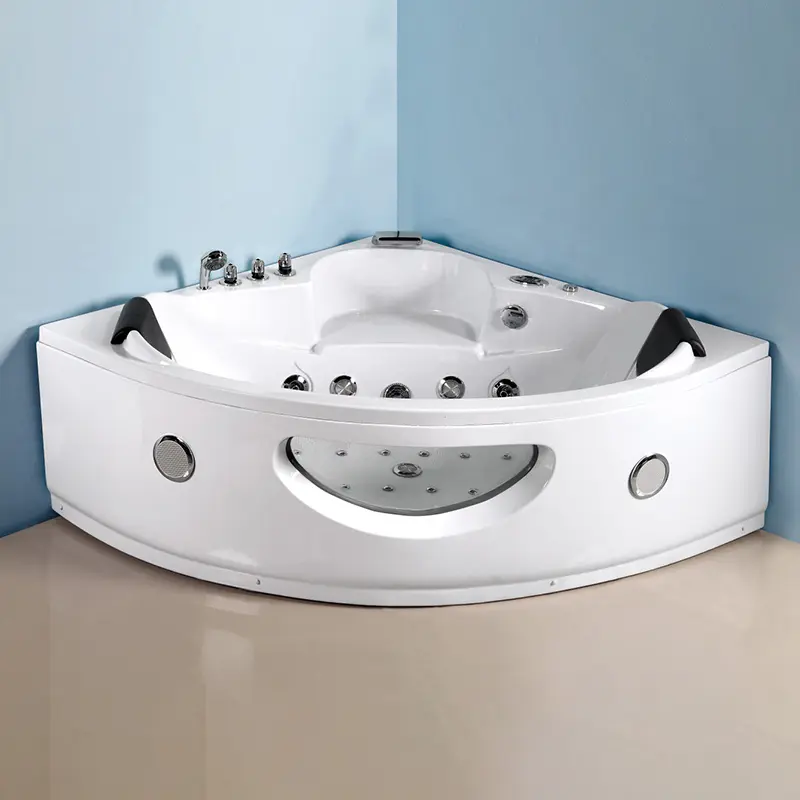
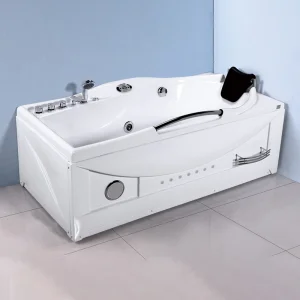
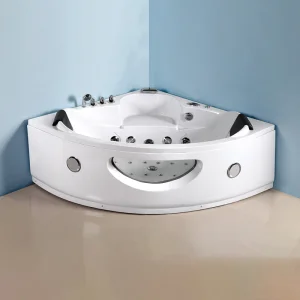
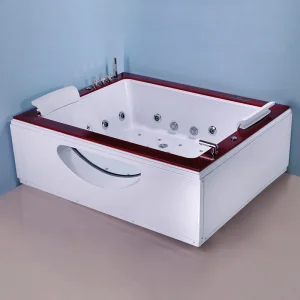
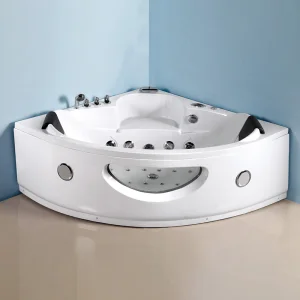
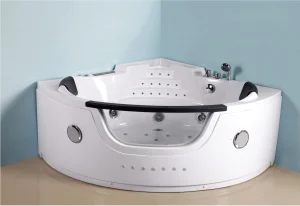
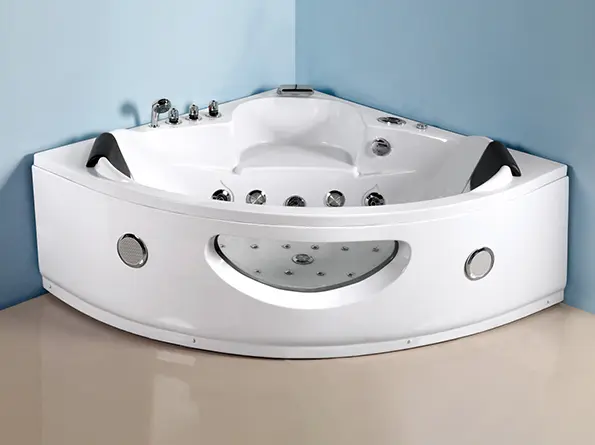
Our space-efficient corner massage bathtubs (such as the KF628 and KF629 series) are designed to fit the compact floor plans of apartments in central Tokyo and Osaka, bringing luxury wellness features into limited urban spaces.
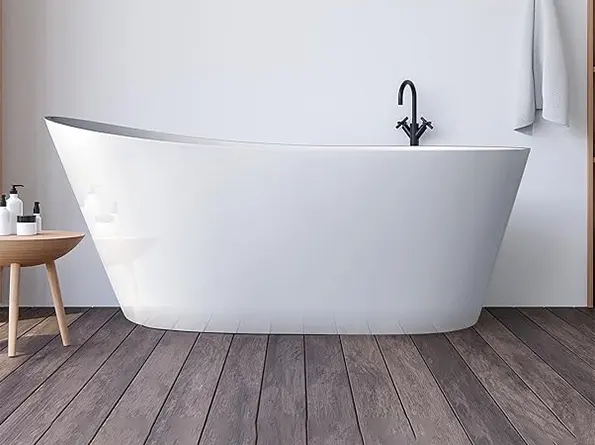
By combining our freestanding high-gloss acrylic tubs with traditional Japanese Hinoki or stone interiors, historic hot-spring inns in Kyoto and Hakone can offer guests private, modern therapeutic whirlpool options.
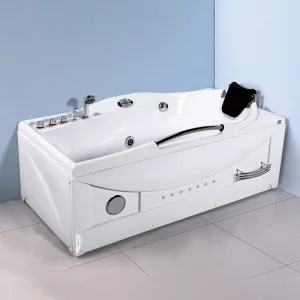
Featuring low entry heights, supportive grab-rail integrations, and slip-resistant floors, our tubs meet the universal access requirements of modern senior housing developments in Saitama and Yokohama.
When Japanese trading companies, developers, and hotel chains import massage bathtubs, they prioritize specific key factors:
Expert answers addressing regulatory, technical, and logistical questions about importing and installing our massage bathtubs in Japan.
Yes. For the Japanese market, we customize the electrical configuration of our pumps, blowers, and smart control systems. We source pumps that operate on Japan's local voltage and frequency (100V or 200V, at 50Hz for Eastern Japan/Tokyo or 60Hz for Western Japan/Osaka). This customization supports your local compliance and PSE certification processes.
We use high-purity, sanitary-grade cast acrylic sheets reinforced with high-density fiberglass and heavy-duty stainless steel support frames. This construction ensures high resistance to scratching, surface discoloration, and chemical degradation from bath salts or sanitizers, providing a long service life in busy hotel or public spa environments.
Yes, we provide flexible OEM and ODM services. We can customize the dimensions of our bathtubs to fit standard Japanese modular layout sizes (such as 1616 or 1620 configurations). This allows seamless installation within local drywall and structural frameworks.
Hygiene is critical for Japanese hot spring and wellness standards. Our massage bathtubs are designed with an V-shaped self-draining pipe geometry that prevents standing water. We also offer optional ozone disinfection modules and automated piping flush cycles to keep the internal lines clean and sanitary.
Our standard production lead time is typically 30 to 45 days upon order confirmation and deposit. Located in Hangzhou, Zhejiang, we utilize nearby Ningbo or Shanghai ports, enabling rapid container shipping to major Japanese ports such as Tokyo, Yokohama, Osaka, and Kobe within 5 to 10 days.
Partner with Hangzhou Kaifeng Sanitary Ware Co., Ltd. for reliable supply, high-volume production, and custom configurations for Japan's architectural and wellness markets.
 Kaifeng
 All Products
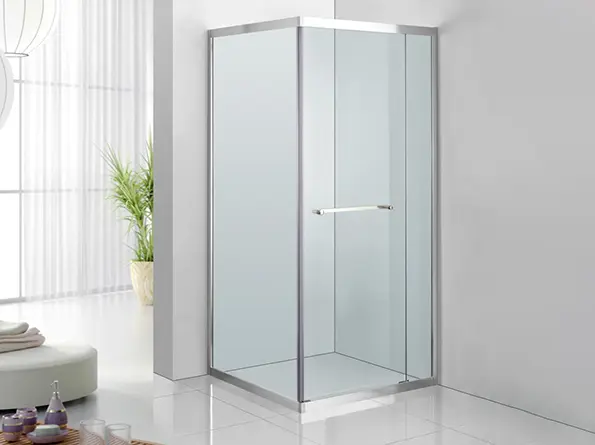 Sliding Doors
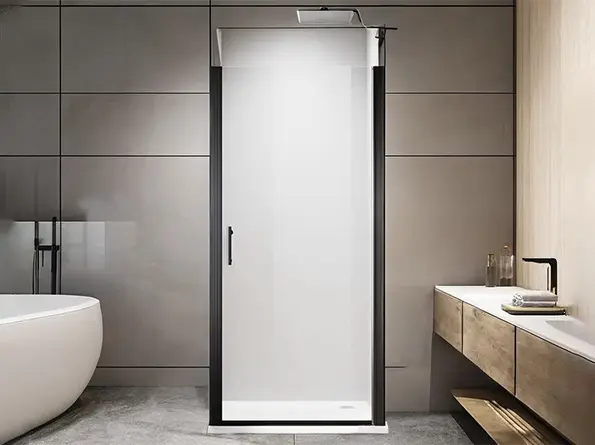 Hinged Panels
 Folding Screens
 Hydro Massage
 Soaking Tubs